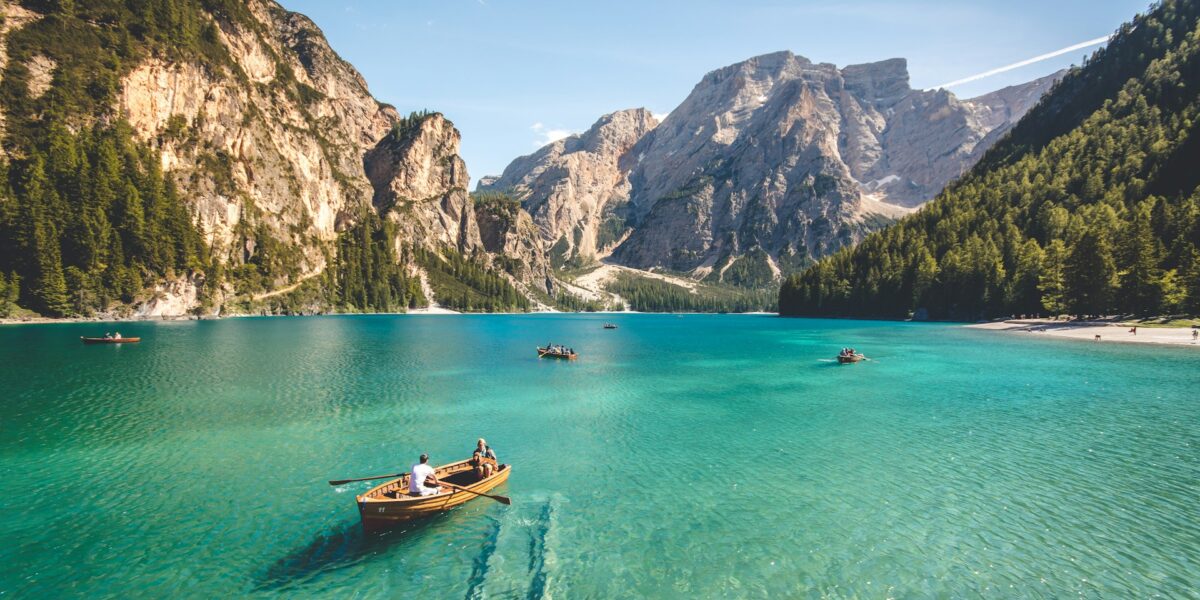
National wildlife refuges exist primarily for waterfowl and habitat conservation. Fishing ranks low on the priority list—which is exactly why these waters fish so well. While crowds hammer nearby public lakes, refuge waters sit nearly untouched.
The Refuge Advantage
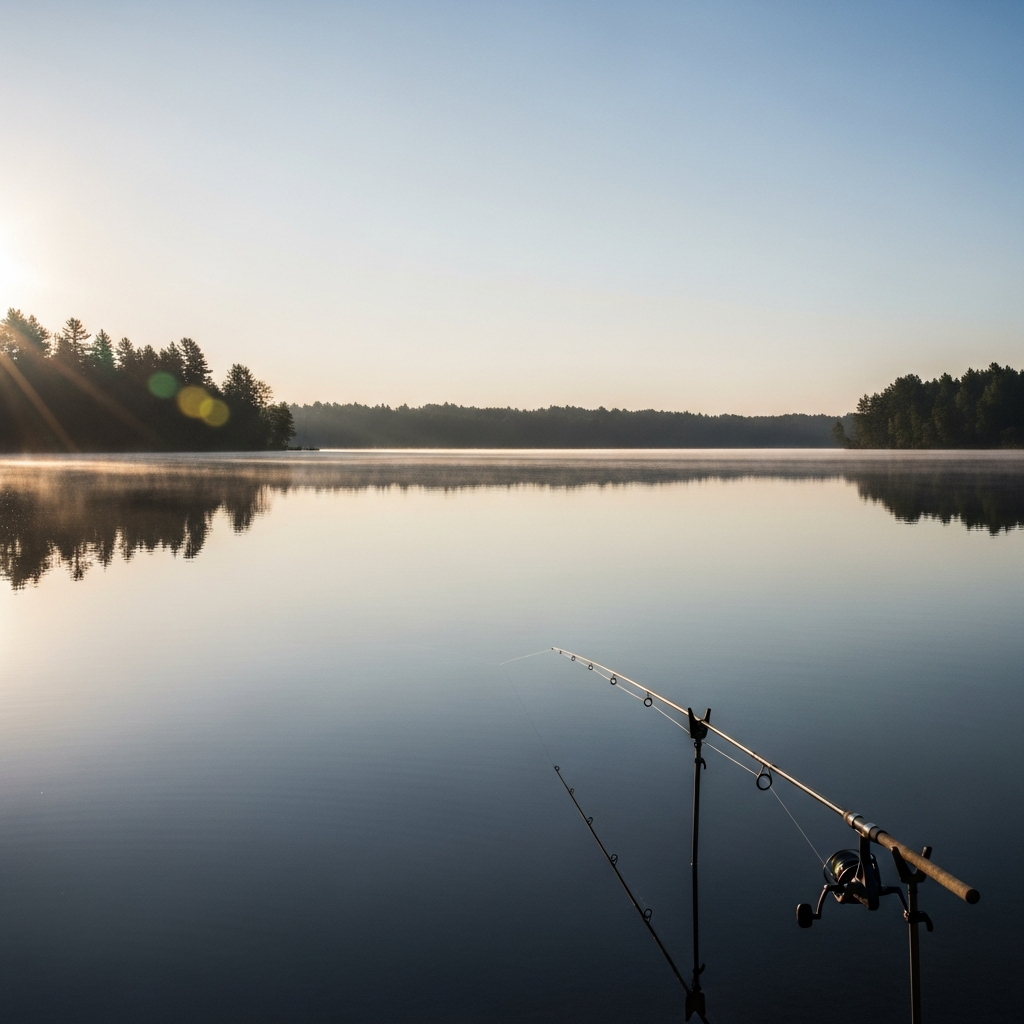
Wildlife refuges manage water levels for habitat, not recreation. The result? Healthy ecosystems with thriving fish populations. Many refuges contain impoundments originally built for waterfowl that now hold excellent bass, crappie, and catfish.
Limited access hours and seasonal closures keep pressure minimal. When refuges open for fishing, you’re often the only angler for miles.
Finding Fishable Refuges
The U.S. Fish and Wildlife Service manages over 560 national wildlife refuges. Not all allow fishing, but hundreds do. Start at fws.gov/refuges and search by state. Each refuge page lists permitted activities and regulations.
Look for:
- Refuges with lakes, ponds, or river frontage
- “Fishing” listed under permitted activities
- Bank access or boat ramp availability
- Season dates and special regulations
Common Refuge Regulations
Refuges prioritize wildlife over anglers. Expect restrictions:
- Limited hours: Many open sunrise to sunset only
- Seasonal closures: Nesting seasons often close areas
- Access restrictions: Some areas permanently closed
- No live bait: Common rule to prevent species introduction
- Barbless hooks: Required on some refuges
- Electric motors only: Gas engines often prohibited
What to Expect
Refuge fishing rewards flexibility. Water levels fluctuate for habitat management, not angler convenience. Structures flood and drain. Access roads close without notice. The anglers who succeed adapt to conditions rather than fighting them.
The payoff? Waters that fish like they did decades ago. Bass that haven’t seen a hundred lures. Crappie schools that haven’t been located by every boat on the lake. Catfish that actually bite during daylight.
Getting Started
- Find refuges within driving distance
- Check which allow fishing and when
- Read regulations carefully (they vary by refuge)
- Call the refuge office with questions
- Get there early on opening day
Respect the Resource
Fishing access on refuges exists because anglers behave responsibly. Follow all regulations. Stay on designated trails. Don’t disturb wildlife. Keep the privilege by respecting the primary mission: wildlife conservation.
The extra rules are worth it. Refuge waters offer fishing quality that disappeared from public lakes decades ago.


Stay in the loop
Get the latest freshwater fishing spots updates delivered to your inbox.