Fishing equipment has gotten complicated with all the brands, features, and conflicting advice flying around. As someone who’s been buying, breaking, and replacing gear for over twenty years, I learned everything there is to know about what you actually need versus what the marketing tells you to buy. Today, I’m walking you through the essentials — no fluff, just the stuff that matters.
Whether you’re hitting a quiet freshwater lake or heading offshore, the right gear makes the difference between a great day and a frustrating one. Here’s what should be in your arsenal.
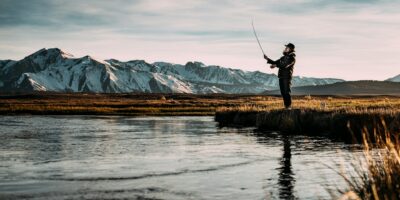
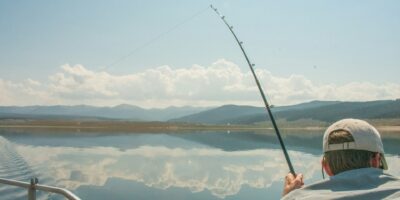
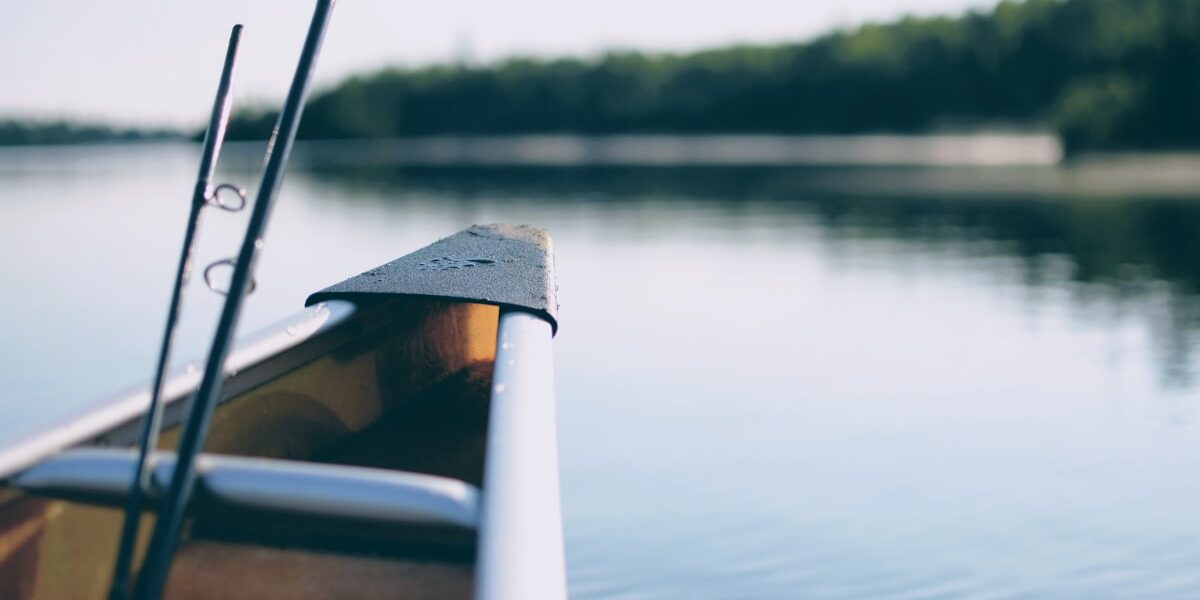
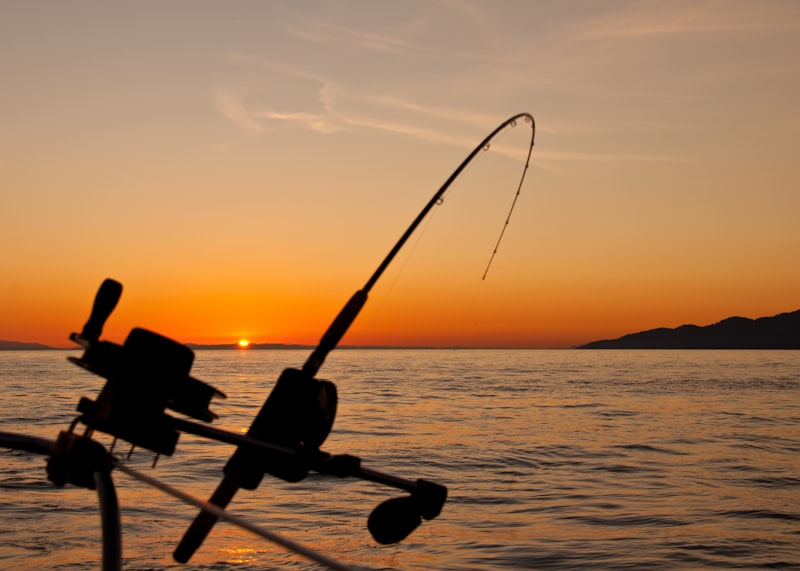
Rods and Reels — This is the foundation. Everything else is secondary. Your rod and reel combo determines what you can cast, what you can catch, and how much fun you’ll have doing it. Fly fishing rods are light and flexible. Deep-sea rods are heavy and built to handle serious punishment. For most freshwater situations, a medium-power spinning rod with a 2500-size reel covers ninety percent of what you’ll encounter. I’ve probably owned thirty rod-and-reel combos over the years, and my most productive days have almost always been with mid-range setups. Don’t overthink this one.
Fishing Line — The invisible link between you and the fish. Monofilament is stretchy and forgiving, which makes it great for beginners who are still learning hook sets. Braided line has zero stretch and incredible sensitivity — you can feel a bluegill mouth your bait from fifty feet away. Fluorocarbon is nearly invisible underwater, which matters in clear water where fish are line-shy. I run braid on most of my reels with a fluoro leader. That combination handles almost everything I throw at it.
Hooks — Seems simple, right? A curved piece of metal with a point. But hook size and style matter more than most beginners realize. Circle hooks are great for catch-and-release because they tend to hook fish in the corner of the mouth. J-hooks give you more hookup control but require a proper hook set. Treble hooks come standard on most lures. I keep an assortment in my tackle box because you never know what the day will demand.
Bait and Lures — Live bait or artificial? The eternal debate. Live worms, minnows, and crickets catch everything that swims. Artificial lures — crankbaits, spinnerbaits, soft plastics — let you cover more water and target specific species. I use both, depending on the situation. If I’m teaching someone to fish, we’re using worms. If I’m targeting bass in heavy cover, it’s soft plastics all day.
Probably should have led with this section, honestly. Fishing Tackle — “Tackle” is the catch-all term for all the little accessories that make fishing work: weights, floats, swivels, snaps, split rings. Weights get your bait to the right depth. Floats keep it suspended where fish are feeding and give you a visual bite indicator. Swivels prevent line twist. None of this stuff is glamorous, but a well-organized tackle setup makes everything run smoother.
Fishing Net — I’ve lost more fish at the bank than I care to admit because I didn’t have a net handy. A landing net secures your fish once you’ve got it close, and it’s easier on the fish if you’re practicing catch and release. Rubber mesh nets are best for fish health since they don’t damage slime coats as badly as nylon.
Clothing and Protective Gear — Waterproof layers, a wide-brim hat, and polarized sunglasses are non-negotiable for me. The sunglasses alone change the game — they cut glare and let you see into the water, which helps you spot fish, structure, and your lure. Fishing gloves protect your hands from sharp fins, teeth, and cold weather.
Tackle Box — That’s what makes a good tackle box endearing to us gear-obsessed anglers — it keeps everything organized and accessible. I’ve tried everything from soft bags to hard-sided Plano boxes. Right now I use a medium-sized bag with removable trays. It holds my essential lures, a spare spool of line, hooks, weights, pliers, a first aid kit, and my fishing license.
GPS and Fish Finders — For anyone fishing bigger waters or competing in tournaments, electronics are a massive advantage. A good fish finder shows you depth, bottom composition, baitfish, and sometimes individual gamefish. GPS lets you mark productive spots and navigate safely. These tools have gotten surprisingly affordable in recent years, and even entry-level units make a noticeable difference.
The right gear won’t make you a great angler — experience and time on the water do that. But having equipment you trust means fewer frustrations and more time actually fishing. Start with the basics, upgrade as your skills grow, and don’t let anyone convince you that expensive automatically means better. Some of my best days have been with the simplest setups.