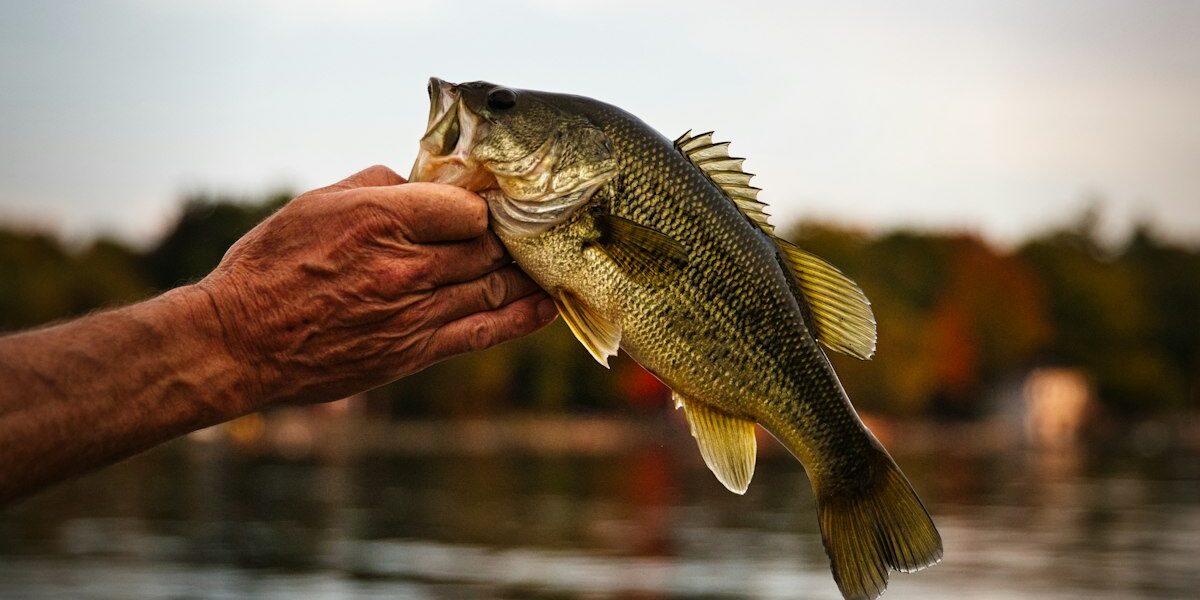
Not every fishing trip needs to involve trout streams or cold mountain water. Some of the most productive fishing in America happens in warm, murky lakes where bass grow fat and catfish reach weights that strain tackle. These overlooked warmwater fisheries deserve more attention than they get.
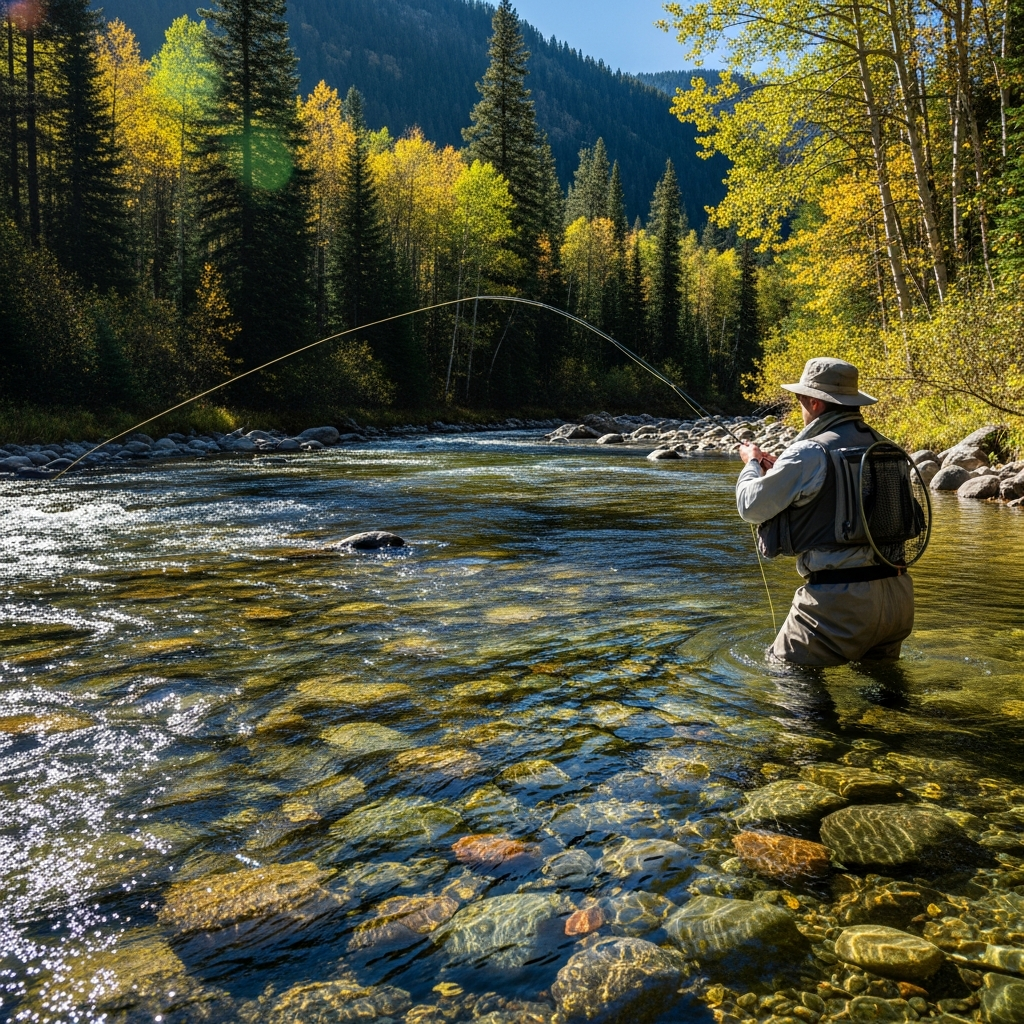
The Southeast, Midwest, and Southern Plains contain thousands of lakes specifically managed for largemouth bass, channel catfish, and panfish. While trout anglers debate hatch patterns, warmwater fishermen load coolers with fillets and catch fish that fight harder pound-for-pound than most salmonids.
What Makes Warmwater Lakes Productive
Warm water accelerates metabolism. Fish in 75-degree water need to eat more frequently than fish in 55-degree water. This biological fact means warmwater species feed aggressively through the summer months when cold-water fishing slows down.
Nutrient-rich lakes that would be too eutrophic for trout grow massive populations of shad, bluegill, and crawfish. These forage bases support predator populations that boggle the mind. A healthy warmwater lake might hold ten bass per acre weighing five pounds or more.
The same fertility that produces fish also produces vegetation. Lily pads, hydrilla, milfoil, and other aquatic plants create structure throughout the water column. Every patch of weeds holds fish. Every stump, laydown, and dock becomes a potential hotspot.
Bass Lakes Worth the Drive
Sam Rayburn Reservoir in Texas consistently ranks among the best largemouth fisheries in America. This 114,000-acre lake produces five-fish tournament limits exceeding 30 pounds with regularity. The standing timber and creek channels provide textbook bass structure.
Guntersville Lake in Alabama has won more Bassmaster tournaments than almost any other water. The Tennessee River impoundment grows enormous bass thanks to abundant shad and extensive grass beds. Fish here see pressure but continue producing giants.
In the Midwest, Lake Fork in Texas and Kentucky Lake on the Tennessee River border offer excellent opportunities. Lake Fork holds the Texas state record and regularly produces fish over 13 pounds. Kentucky Lake provides quantity fishing where 50-fish days happen regularly.
Catfish Destination Lakes
Blue catfish have expanded their range and grown to enormous sizes in many southern reservoirs. Santee Cooper in South Carolina pioneered trophy blue cat fishing and still produces fish over 80 pounds. The connected lakes of Marion and Moultrie hold incredible catfish populations.
Wheeler Lake in Alabama targets blue catfish specifically and produces consistent catches of fish exceeding 50 pounds. The dam tailwaters and river channel provide prime habitat for monster blues.
Flathead catfish thrive in different habitat. Look for lakes with rocky structure and timber. The Missouri River reservoirs, Milford Lake in Kansas, and numerous Oklahoma lakes hold flatheads that reach 70 pounds or more.
Timing Your Trip
Spring spawning season concentrates bass in shallow water where they’re accessible to bank anglers and sight-fishing. April and May produce the best numbers for most southern lakes. Northern lakes peak a month or two later.
Summer heat doesn’t slow warmwater fishing like it does trout fishing. Night fishing for bass and catfish produces excellent results when daytime temperatures become oppressive. Some of my best catches have come after midnight in July.
Fall turnover concentrates baitfish and triggers aggressive feeding. October bass fishing can rival the spring spawn for quality. Catfish feed heavily before winter, packing on weight that makes fall the best season for trophy hunting.
Tackle Considerations
Warmwater fishing rewards heavier tackle than trout fishing requires. Medium-heavy rods handle the cover-oriented presentation that bass demand. Braided line cuts through vegetation that would foul monofilament. Stout hooks set in bony mouths that bend lighter wire.
For catfish, go even heavier. Circle hooks reduce gut-hooking and improve release survival for trophy fish you want to release. Heavy sinkers hold in current. Rod holders allow multiple lines where legal.
Finding Your Warmwater Lake
State wildlife agencies publish lake surveys showing fish populations, growth rates, and recommended management strategies. These documents identify which lakes receive priority stocking and management attention. A lake that gets regular attention from biologists typically fishes better than neglected waters.
Local bass clubs and catfish guides know which lakes are fishing well right now. Conditions change seasonally and annually based on water levels, spawning success, and forage availability. Current information beats historical reputation.
The best fishing isn’t always the most famous fishing. Warmwater lakes deliver action, size, and table fare that cold-water purists miss entirely. Sometimes the drive to a murky bass pond beats the hike to a crystal trout stream.


Stay in the loop
Get the latest freshwater fishing spots updates delivered to your inbox.