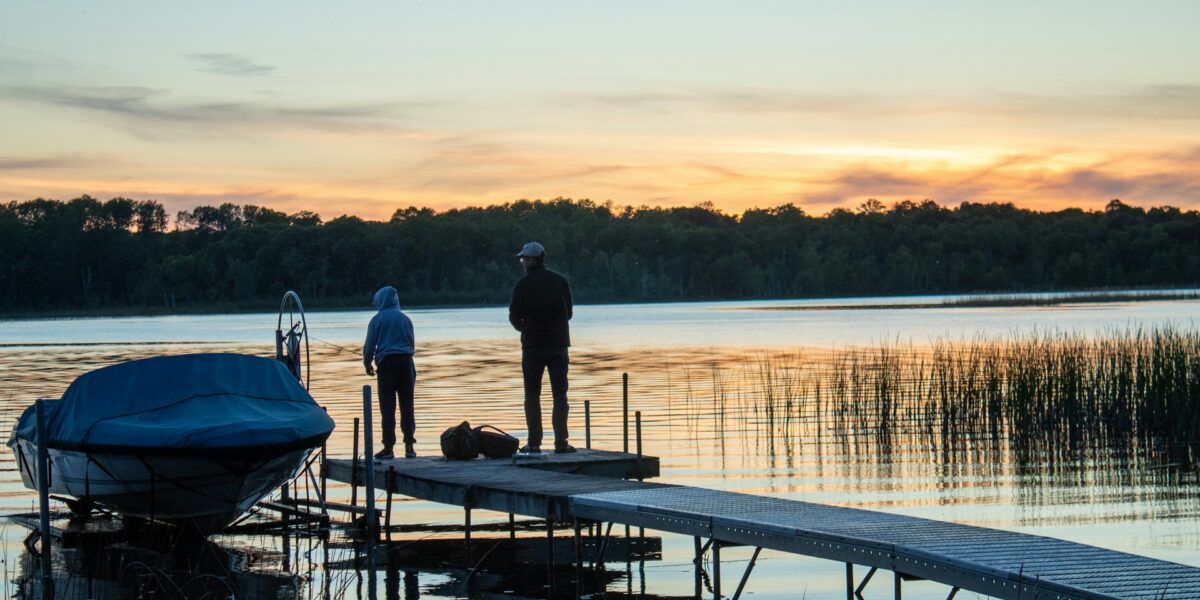
Reading water has gotten complicated with all the generic advice and oversimplified YouTube tutorials flying around. As someone who’s spent years wading streams across multiple states — from tiny Appalachian brookies to big Western rivers — I learned everything there is to know about why fish hold where they do. Once you understand the current, every stream becomes a puzzle you can solve. The current brings food, delivers oxygen, and dictates fish behavior. Learn to read it, and you’ll catch fish anywhere flowing water exists.
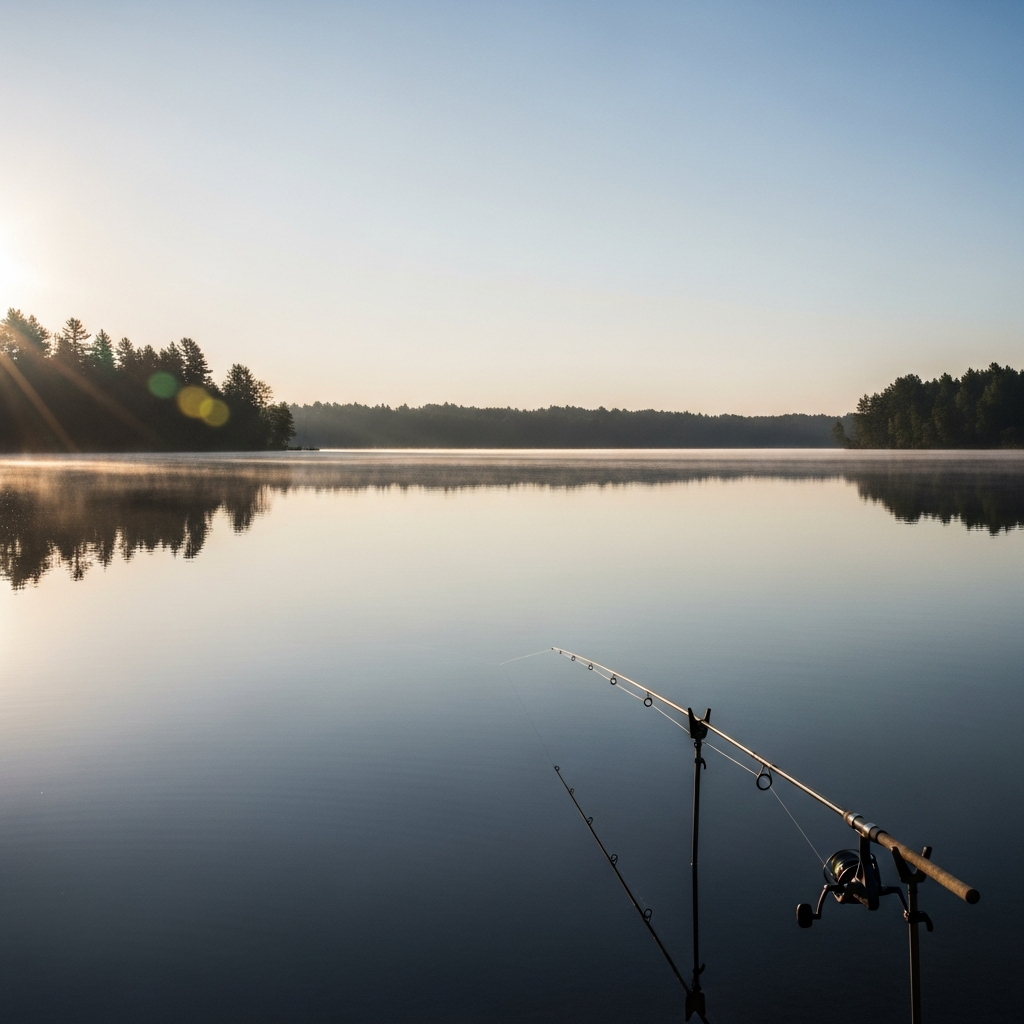
Understanding Current and Fish Behavior
Fish face upstream. Always. They position themselves in current breaks where they can expend minimal energy while watching for food drifting toward them. The ideal lie provides three things: protection from predators, easy access to the current’s food supply, and a stable resting spot. Find these lies, and you’ve found the fish. I’ve caught thousands of trout by simply identifying the three factors and making a decent presentation. It’s not complicated — it just requires looking at water differently.
Key Stream Features to Target
Riffles
Shallow, fast water tumbling over rocks. Riffles oxygenate the stream and hold aquatic insects — the foundation of the trout food chain. Fish don’t typically hold in riffles themselves, but they stack up in the transition zones where riffles slow into runs. Cast to the tail of the riffle and let your presentation drift into the deeper water below. That transition zone is money.
Runs
Smooth, moderately fast water between riffles and pools. Runs are the highways of the stream — fish travel through and often stop to feed here. That’s what makes runs endearing to us stream anglers — they’re easier to read and fish than broken water, with enough current to drift nymphs naturally and enough depth to hold quality fish. Nymph the bottom or swing wet flies through runs on days when nothing else is working.
Pools
The deepest, slowest sections. Pools hold the biggest fish. I target three distinct zones:
- Head of pool: Where fast water pours in. This is where the most aggressive, actively feeding fish position for first crack at drifting food.
- Middle: The deepest water. Fish rest here between feeding periods. They can be harder to entice, but when they do eat, they’re often the largest fish in the pool.
- Tailout: Where water shallows and speeds up before the next riffle. Probably should have led with this section, honestly — tailouts are consistently overlooked by most anglers, but they’re productive, especially in morning and evening when fish slide into shallower water to feed.
Eddies
Current reverses behind rocks, logs, or points, creating circular flow patterns. Eddies collect floating debris — and with it, insects, nymphs, and baitfish. Fish the seam where the main current meets the eddy. That line where moving water hits still water concentrates food like a conveyor belt, and fish know it.
Undercut Banks
Current erodes the bottom of banks over time, creating overhangs that fish use as shelter. They tuck under these during bright conditions, invisible from above. Cast tight to the bank and be ready — strikes often come immediately, before the fly even has time to drift. Browns and smallmouth especially love undercuts. Some of my biggest fish have come from bank-tight presentations where most anglers would never think to cast.
Seams
Any visible line where fast water meets slow water. Seams concentrate drifting food along a narrow lane that fish can monitor without fighting heavy current. They position themselves just inside the slow side, darting into fast water to grab passing meals, then retreating to the cushion. Cast so your presentation drifts naturally down the seam. When you see a defined seam, there’s almost always a fish on it.
Seasonal Stream Strategies
Spring
High, often stained water from snowmelt and rain. Fish push to edges and slower water to avoid fighting heavy current. Focus on inside bends, eddies, and backwater areas. This isn’t the time for delicate presentations — use larger lures and brighter colors so fish can locate your offering in dirty water.
Summer
Low, clear conditions make fish spookier but also concentrate them in predictable spots. They hold in shaded areas and near cold-water inputs. Early morning and evening are prime. Look for springs and tributaries adding cold water — fish stack up at these thermal refuges during hot weather. I’ve found 20 trout in a 30-foot stretch where a cold spring entered a warm creek.
Fall
Trout spawn; salmon and steelhead run. Fish become more aggressive before and after spawning periods. Streamers and egg patterns produce consistently. Bass and smallmouth feed heavily before winter, bulking up for the lean months. Fall might be my favorite season to fish streams — the colors, the cooler air, and the fired-up fish all come together.
Winter
Cold water slows metabolism and fish activity. They hold in the deepest, slowest water and won’t chase anything very far. Presentations must be slow and precise — dead-drifted nymphs right on the bottom. Midday often fishes better than early morning because water temperatures peak when the sun is highest.
Tactics for Different Species
Trout
Nymph fishing accounts for the majority of stream trout. Dead-drift weighted nymphs through likely lies and watch your indicator like a hawk. When you see rising fish, match the hatch with dry flies. Streamers work during high water or when you’re specifically targeting large, predatory fish. I carry all three setups on every stream trip.
Smallmouth Bass
Smallmouth love current more than largemouth — they’re built for it. Fish rocky structures, ledges, and current breaks with crawfish-imitating jigs, tube baits, and diving crankbaits. Topwater during summer mornings can be absolutely electric. A smallmouth blowing up on a surface lure in river current is one of the most exciting things in freshwater fishing.
Steelhead and Salmon
These fish run rivers to spawn but don’t actively feed in the traditional sense. They strike out of aggression, instinct, or territorial behavior. Egg patterns, bright attractors, and large streamers trigger reaction strikes. Fish the runs and tailouts where migrating fish rest between pushing through faster water.
Reading Water in Practice
Here’s my actual process when I approach a new stream section: stand above it for five minutes before making a single cast. Watch for rising fish, baitfish activity, and insect hatches. Note where current speeds up and slows down. Identify the deepest water, the best cover, the likely feeding lanes. Most anglers start casting immediately — resist that urge.
Then approach from downstream, staying low and keeping your shadow off the water. Cast to the closest likely spot first and work outward. If you start by casting to the far bank, you’ll spook every fish between you and your target. Work methodically upstream, covering each feature before moving to the next.
The best stream anglers see water differently. They don’t see a river — they see a series of specific lies connected by travel routes. Every boulder creates a current break. Every depth change concentrates food. Every shadow provides cover. Develop that vision, and no stream will seem unfishable.


Stay in the loop
Get the latest freshwater fishing spots updates delivered to your inbox.