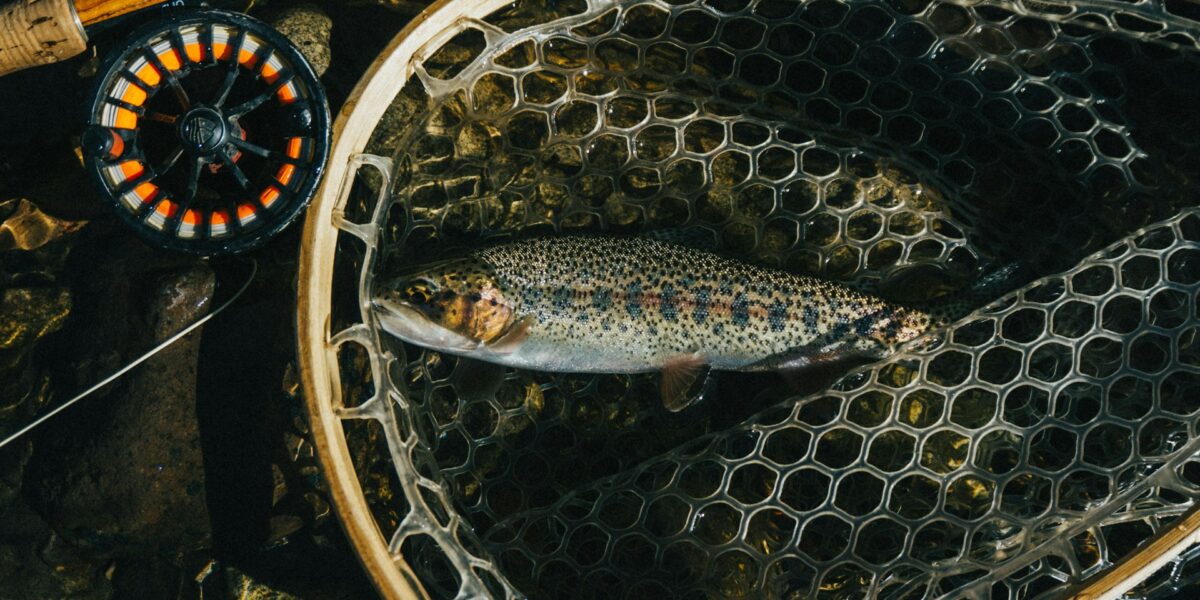
Every spring and fall, state fish and wildlife agencies release millions of trout into public waters. These stocking events create instant fishing opportunities for anglers who know where and when to show up. The fish are predictable. The locations are published. The only variable is whether you bothered to check the schedule.
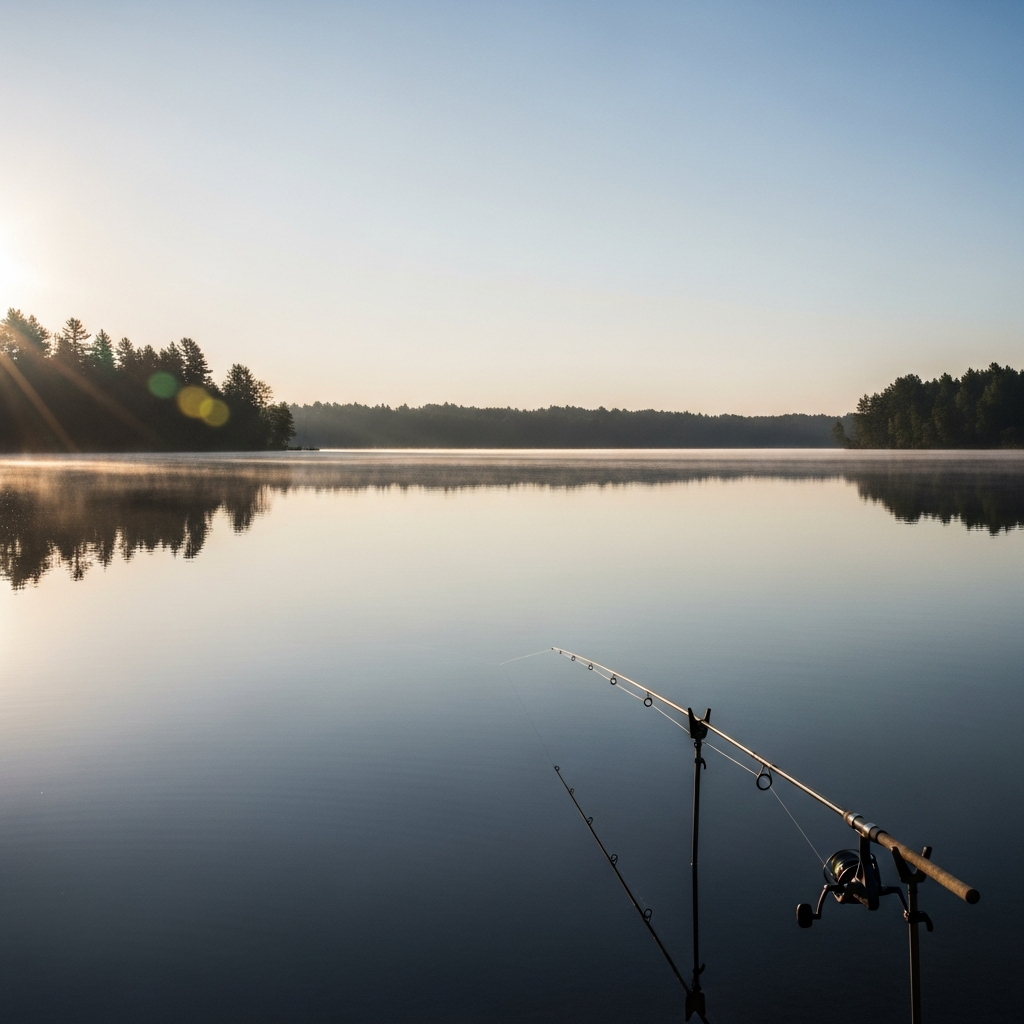
Stocked trout fishing gets dismissed by purists as somehow lesser than catching wild fish. But for families introducing kids to fishing, for anglers without access to quality wild trout water, and for anyone who just wants to catch fish and have fun, stocking programs deliver exactly what they promise.
How Stocking Programs Work
State hatcheries raise trout from eggs to catchable size, typically 10 to 12 inches. This process takes 12 to 18 months depending on the species. Hatchery managers coordinate with biologists to identify waters that can support trout populations but don’t reproduce naturally.
Stocking trucks deliver fish according to predetermined schedules. Some states stock weekly during peak season. Others make monthly deliveries. A few states stock only in spring and fall when water temperatures allow trout survival.
Most states publish stocking schedules online. Pennsylvania, California, and Michigan provide detailed databases showing exactly which waters received fish and when. Other states post general schedules without specific dates to prevent crowding.
Finding Your State’s Stocking Schedule
Search for “[your state] trout stocking schedule” and you’ll likely find official information. State fish and game websites typically maintain current schedules under fishing or trout management sections.
Pennsylvania’s Fish and Boat Commission publishes one of the most detailed systems. Their “Stocking Schedule” page lists dates, locations, and numbers of fish for every stocking event. Anglers can search by county or water body.
California’s Department of Fish and Wildlife operates differently, posting weekly stocking reports after fish are delivered rather than schedules in advance. This prevents the crowds that form when exact dates are announced.
Some states use smartphone apps to deliver stocking information. North Carolina’s Fish On app pushes notifications when trucks visit specific waters. These tools put current information in your pocket.
Timing Your Trip
Fresh stockers bite aggressively for the first few days after release. Hatchery trout are conditioned to eat pellet food thrown from above. Anything that looks vaguely like food triggers a strike. This window closes quickly as fish that survive learn wariness from experience.
Early morning on stocking day draws crowds. By the second day, pressure often drops dramatically even though plenty of fish remain. The sweet spot for good fishing without excessive competition falls between days two and four after stocking.
Weather affects both stocking and fishing success. Cold fronts slow feeding behavior. Heavy rain delays stocking trucks and muddies water. Stable weather patterns produce the most predictable results.
Where Stocked Trout Go
Trout released into still water disperse quickly. They seek depth, shade, and structure. Points, drop-offs, and submerged features attract recently stocked fish. Docks and overhanging trees provide cover.
Stream-stocked trout behave differently. They move downstream initially, then establish positions in pools and runs that offer protection from current. Deep holes below riffles and undercut banks hold fish that survived the first few days.
Pay attention to release locations. Stocking trucks access water at boat ramps, road crossings, and developed areas. Fish concentrate near these access points initially before spreading out.
Effective Tactics for Stocked Trout
Hatchery trout respond to presentations that mimic pellet food. PowerBait, salmon eggs, and cheese work because the colors and textures trigger feeding responses. These aren’t gourmet meals, but they’re familiar to fish raised in concrete raceways.
Small spinners and spoons produce well for anglers who prefer artificial lures. Rooster Tails, Panther Martins, and Kastmasters catch fresh stockers that haven’t learned to avoid metal. Bright colors often outproduce natural patterns in turbid water.
Fly anglers can catch stocked trout on woolly buggers, egg patterns, and simple nymphs. Presentation matters less than timing. Fresh stockers hit almost anything. Educated survivors require more finesse.
Special Regulations Apply
Stocked waters often have different regulations than general trout waters. Some allow year-round harvest with higher limits. Others impose delayed harvest periods where catch and release is required until a specific date. Always check current regulations for the water you plan to fish.
Many states sell trout stamps or endorsements in addition to basic fishing licenses. These fees fund hatchery operations. Fishing stocked waters without the required stamp is illegal even with a valid fishing license.
Beyond the Put-and-Take
Some stocked trout survive and hold over through summer. Lakes and streams with adequate cold water year-round develop populations of carryover fish that grow substantially larger than fresh stockers. These fish learn natural feeding patterns and become genuinely challenging to catch.
Holdover fishing blends the accessibility of stocked waters with the satisfaction of catching educated fish. The trout aren’t wild, but they’ve adapted to their environment enough to earn respect.


Stay in the loop
Get the latest freshwater fishing spots updates delivered to your inbox.