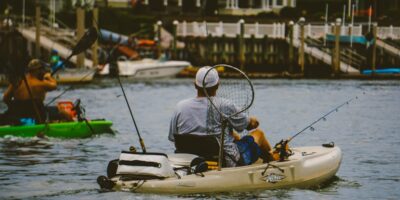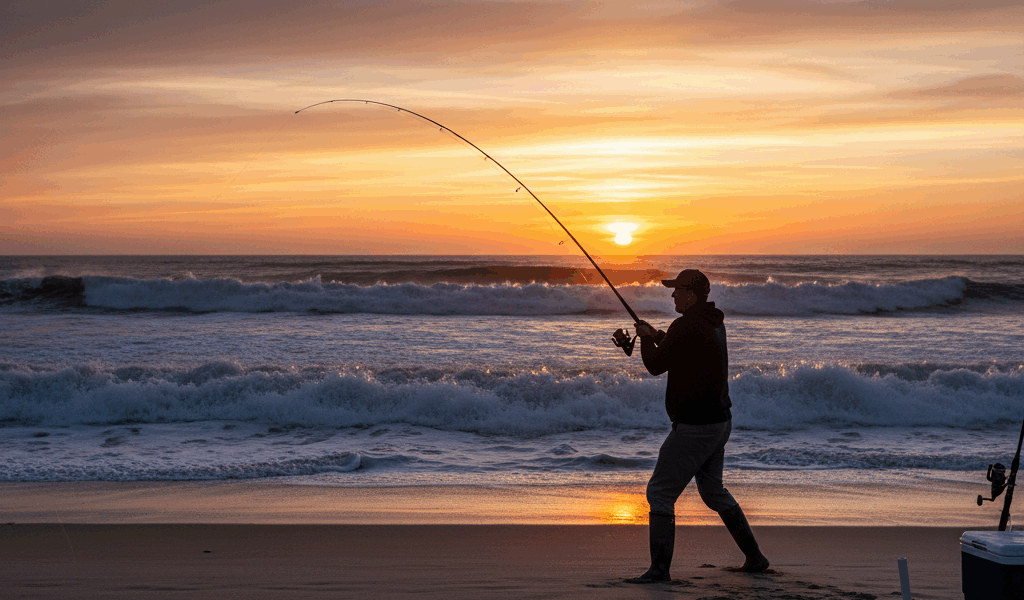
I used to cast like I was trying to throw the plug into orbit. More power, more distance, more effort. Then I watched an old-timer on a Massachusetts beach put his bait exactly where he wanted it, cast after cast, using maybe half the effort I was burning. He was out-fishing me three to one.
That’s when I started thinking about surfcasting differently.
Distance Isn’t Everything
Beginners fixate on distance because it feels like the limiting factor. If you could just get the lure out there, past the breaking waves, into the good water—that’s where the fish must be, right?
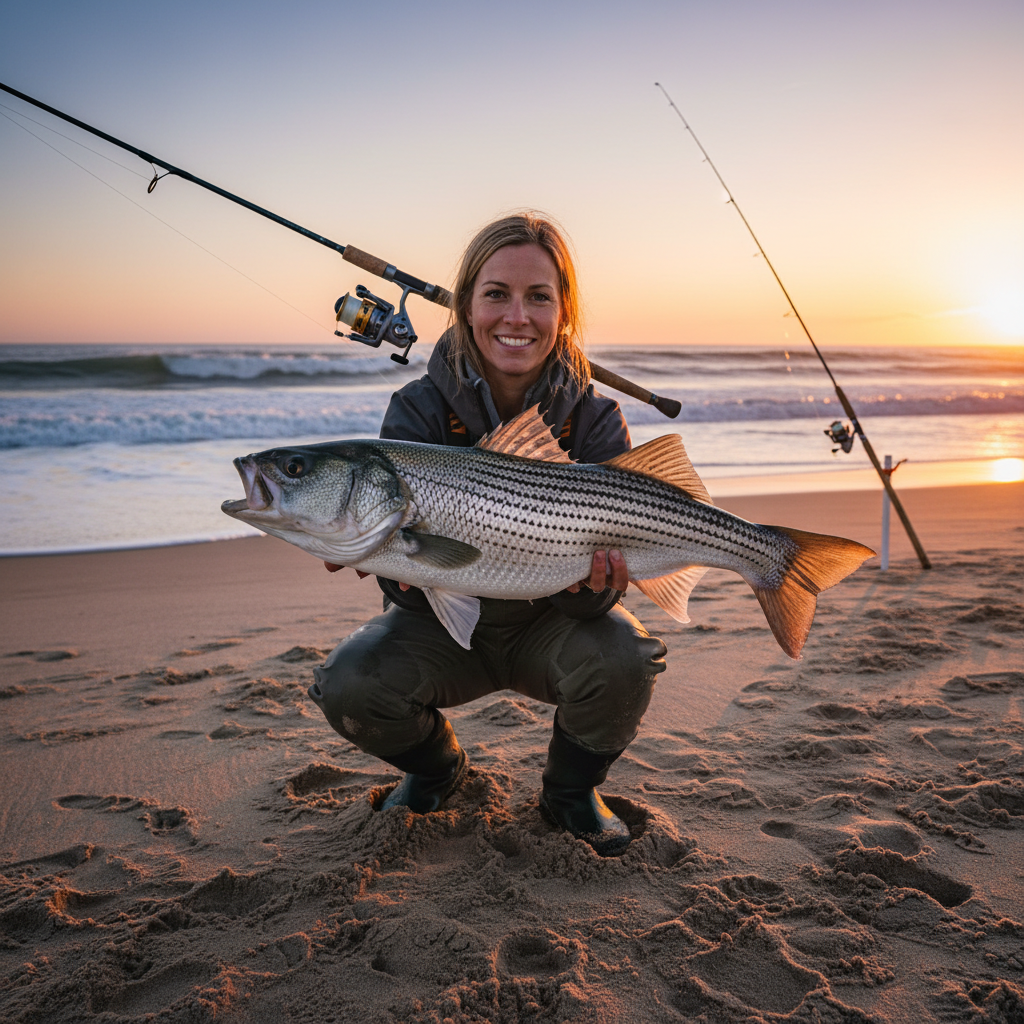
Sometimes. But I’ve caught as many stripers in the wash zone, ten feet from my boots, as I have in the deep troughs. Fish move. Structure changes with the tide. The distant water isn’t automatically the productive water.
What matters more than raw distance is consistent accuracy. Hitting the same spot repeatedly, adjusting slightly based on what you’re learning about the current and the bottom, building a picture of where fish are actually holding.
The guy out-fishing me wasn’t casting farther. He was casting smarter.
The Mechanics
Good surfcasting uses the rod more than the arms. The loading and unloading of the blank does the work; you’re just directing it. Fighting this—trying to muscle the cast—actually costs distance because you break the timing.
Start with the rod low and behind, weight back. Accelerate through the cast, transferring weight forward as the rod loads. Release when the rod reaches about 45 degrees above horizontal. Follow through.
The release point is where most people mess up. Too early and the plug goes high, catching wind and falling short. Too late and it knifes into the water at your feet. There’s a window of maybe a quarter-second where the timing works.
I practiced for hours with a hookless plug on a field near my house. Boring, sure, but the muscle memory developed there translated directly to better fishing.
Reading the Water
Precision means knowing where to put the bait, not just being able to put it there. Surfcasters who consistently catch fish have learned to read the water—identifying structure, current lines, and holding areas that casual observers miss.
Troughs parallel to the beach often hold fish, especially on the falling tide. The deeper water collects baitfish getting swept out, and predators know this. Cast parallel to the trough, not across it, to keep your bait in the productive zone longer.
Cuts and channels between sandbars funnel water and food. Fish stack up at these points waiting for meals to come to them. A cast that lands in the channel and swims through the cut is worth ten casts that miss it.
White water isn’t dead water. Stripers especially will hunt in the wash, using the turbulence as cover. Some of my best fish came from casts that landed in foam I’d have avoided as a beginner.
Adjusting On the Fly
No two casts are identical even if you’re aiming at the same spot. Wind shifts, current changes, your footing varies on wet sand. Good surfcasters make unconscious adjustments that keep the presentation consistent.
If wind is pushing left, start your cast aimed slightly right. If current is sweeping your plug away from structure, cast upstream of where you want the plug to end up. These micro-corrections become automatic with practice.
Watch where your plug lands relative to where you aimed. Each cast is feedback. If you’re consistently off in one direction, something in your mechanics needs adjustment.
The Mental Game
Surfcasting rewards patience more than most fishing. You’re covering water that looks largely the same, repeating similar casts, often for hours without a hit. The difference between good surfcasters and great ones is often just persistence backed by confidence.
That confidence comes from knowing you’re putting the bait where it needs to be. Random casting is discouraging because you never know if the empty stretches mean no fish or just poor placement. Precise casting means you’re gathering information even when nothing bites.
Twenty casts in a row without a hit tells you something if all twenty landed exactly where you intended. It tells you nothing if each one went somewhere different.
Getting There
I’m not claiming I’ve mastered this. That old-timer I watched is still better than me, probably always will be. But I’m far better than I was when I was trying to throw the plug into next week.
The fish care about precision more than power. Took me too long to figure that out.