Corps of Engineers Lakes: America’s Best Kept Fishing Secret
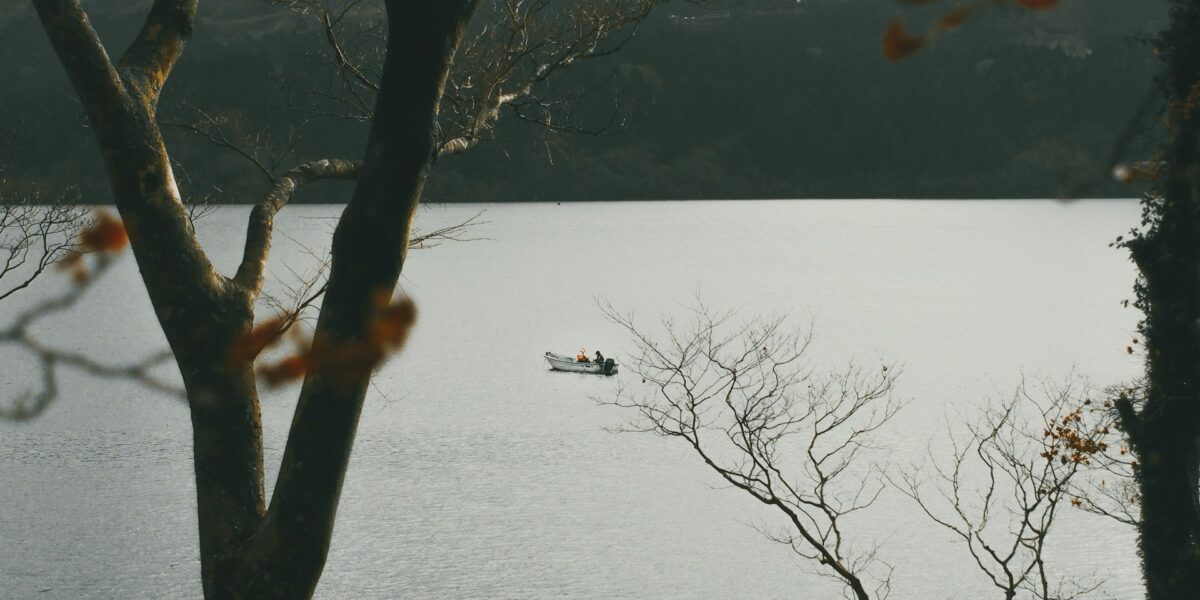
The U.S. Army Corps of Engineers manages over 400 lakes across the country, and most anglers have never heard of more than a handful. These reservoirs, built primarily for flood control and navigation, contain some of the best freshwater fishing in America. Understanding how to access and fish Corps lakes opens up thousands of miles of shoreline and millions of surface acres.
Why Corps Lakes Produce Trophy Fish
Corps of Engineers reservoirs share characteristics that promote healthy fish populations:
Stable water levels: Unlike power-generation reservoirs that fluctuate wildly, most Corps lakes maintain relatively consistent levels. This stability allows aquatic vegetation to establish, providing cover and forage habitat that supports the entire food chain.
Structure diversity: When valleys flood to create reservoirs, standing timber, old road beds, creek channels, and building foundations become underwater fish habitat. This structure concentration holds more fish per acre than natural lakes with uniform bottoms.
Shad populations: Corps lakes frequently support massive threadfin and gizzard shad populations. This abundant forage base grows big bass, stripers, catfish, and hybrid striped bass to trophy sizes.
Public access requirements: Federal mandate requires public access to Corps waters. Unlike privately managed reservoirs, you can always find a way to legally fish these lakes.
Finding Corps Lakes Near You
The Corps of Engineers operates lakes in 43 states, concentrated in the Southeast, Great Plains, and Pacific Northwest. Their recreation website (recreation.gov) lists facilities, but finding specific lakes requires knowing the regional divisions:
South Atlantic Division: Covers Georgia, North Carolina, South Carolina, and Florida. Lake Lanier, Lake Hartwell, and Clarks Hill Lake (J. Strom Thurmond) rank among the Southeast’s premier bass fisheries.
Southwestern Division: Texas and Oklahoma lakes including Lake Texoma, Lake Eufaula, and Lewisville Lake. Many feature excellent striper and catfish populations alongside largemouth bass.
Northwestern Division: Pacific Northwest lakes behind major dams. Fishing focuses on salmon, steelhead, and walleye rather than traditional warmwater species.
Great Lakes and Ohio River Division: Ohio River impoundments and tributary lakes throughout the Midwest. Sauger, walleye, and catfish dominate, with excellent smallmouth bass in clearer waters.
Access Options at Corps Lakes
Corps lakes typically offer multiple access points:
Day-use areas: Boat ramps, parking, restrooms, and sometimes picnic facilities. Most require a daily or annual recreation permit ($5-30). Ramp quality varies from excellent concrete to marginal gravel.
Campgrounds: Corps campgrounds range from primitive to full hookups. Many sites are directly on the water with private boat tie-ups. Reservations through recreation.gov fill summer weekends months in advance.
Fish attractors: Many Corps lakes maintain artificial fish attractors marked with buoys. These brush piles and stake beds concentrate fish predictably. Lake offices provide attractor coordinates.
Tailwaters: Below Corps dams, tailrace areas offer some of the best fishing on any system. Cold, oxygenated water released from dam depths supports trout in southern states and concentrates gamefish feeding on stunned shad.
Seasonal Patterns on Corps Reservoirs
Corps lakes follow predictable seasonal cycles that affect fishing:
Spring: Pre-spawn and spawn periods concentrate fish in shallow coves and creek arms. Water levels often rise from spring rains, flooding shoreline vegetation and timber. Target newly flooded cover where bass and crappie stage before spawning.
Summer: Thermoclines stratify Corps lakes, pushing fish to specific depth ranges. Ledges along old creek and river channels concentrate bass and catfish. Early morning and evening topwater bites develop over schools of surfacing shad.
Fall: Cooling water triggers feeding binges as fish prepare for winter. Shad schools move shallow, and predators follow. Creek arm flats produce aggressive fish willing to chase reaction baits.
Winter: Fish slow down but don’t stop feeding. Steeper banks hold bass relating to deeper water. Points where creek channels swing close to banks concentrate crappie and bass on slow-presented baits.
Essential Tactics for Corps Lakes
Learn the old lake maps: Pre-impoundment topographic maps show original features now underwater. Old roads, homesites, church foundations, and bridge crossings become fish magnets. Lake offices often sell historical maps, and services like Navionics incorporate this data into modern charts.
Follow the timber lines: Standing timber indicates where the original bank or creek channel ran. Fish relate to timber edges rather than isolated trees. Work baits along definite lines rather than randomly through fields of sticks.
Target creek channel ledges: Where tributary creeks entered the main river channel, you’ll find depth transitions that concentrate fish year-round. Ledges with nearby timber or rock offer the best combinations of structure and cover.
Fish current areas: When dams generate power or release water for downstream needs, current develops in the main channel. Baitfish position in eddies, and predators set up to ambush. Points, humps, and bridge pilings in current areas produce best during generation periods.
Species-Specific Strategies
Largemouth bass: Target standing timber, brush piles, and laydowns along creek channels. Jigs, Texas-rigged soft plastics, and crankbaits matching shad profiles produce consistently. In clear lakes, deeper presentation often outperforms shallow approaches.
Crappie: Corps lakes grow huge slabs around standing timber and fish attractors. Use spider rigs with minnows or small jigs at precise depths. Electronics showing fish in standing timber take the guesswork out of depth selection.
Striped bass and hybrids: Follow the shad schools. Stripers and hybrids roam open water chasing bait, surfacing in feeding frenzies during low-light periods. Casting to breaking fish or trolling umbrella rigs produces when schools are located.
Catfish: Blue catfish especially thrive in Corps reservoirs. Cut skipjack herring on ledges near current produces heavyweight blues. Channel cats respond to prepared baits and cut bait fished in shallower areas.
Tailwater trout: Below dams in the Southeast, cold water releases support stocked rainbow and brown trout. These fish grow fast on shad and scuds unavailable in mountain streams. Fly fishing or light spinning gear matching the forage produces year-round action.
Making the Most of Corps Lake Trips
Corps lakes reward preparation:
- Call the lake office: Rangers know current conditions, recent catches, and areas seeing pressure. This free intelligence saves hours of unproductive searching.
- Check generation schedules: Power generation affects water level and current. Some lakes publish schedules online; others require calling. Fish behavior changes dramatically with current flow.
- Obtain fish attractor coordinates: Most lakes maintain these locations. Printing a map with marked attractors gives you known starting points rather than random searching.
- Study pre-impoundment maps: Understanding what’s beneath the surface explains why fish use certain areas. A submerged road crossing explains that consistent crappie spot; a flooded cemetery accounts for unusual bottom composition.
Corps of Engineers lakes offer accessible, quality fishing across most of the country. Learn the patterns these reservoirs share, and you’ll find productive water wherever military engineers dammed a river.


Stay in the loop
Get the latest freshwater fishing spots updates delivered to your inbox.