Big Brown Trout
Big Brown Trout
Big brown trout has gotten complicated with all the myths, misinformation, and flat-out bad advice flying around. As someone who’s spent years chasing these fish in streams, rivers, and lakes across multiple states, I learned everything there is to know about what makes big browns tick. They’re my favorite species to target, and today I’ll share why they’ve earned that spot.
Brown trout aren’t native to North America — they originally come from Europe. But since being introduced here in the late 1800s, they’ve taken to our waters like they own the place. And in many rivers, they basically do. Browns thrive in everything from small mountain streams to massive lakes, and when conditions are right, they grow to genuinely jaw-dropping sizes. I’ve seen fish come out of my home waters that made me question whether I was actually looking at a trout.
Physical Characteristics
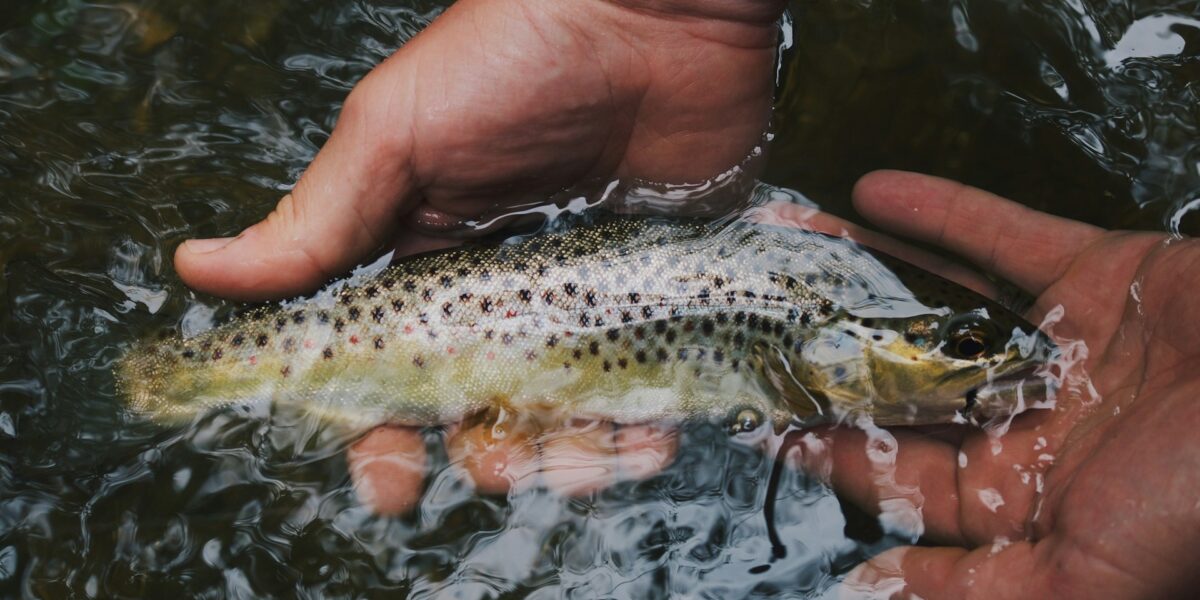
Browns are beautiful fish, and I don’t say that about many species. They’ve got this golden-brown coloration with scattered spots — red, black, sometimes both — often ringed with lighter halos. It’s basically perfect camouflage against the gravelly, rocky bottoms they prefer. Good luck spotting one in the water until it moves.
As browns get bigger and older, their coloration deepens. Really large specimens can look almost coppery or bronze, especially males during the fall spawn. Their fins usually carry a white or cream-colored edge that stands out against those darker hues. And the mouth on a big brown? It’s large, equipped with sharp teeth, and built for a predatory lifestyle. These aren’t dainty feeders — they’re killers.
Habitat and Distribution
That’s what makes brown trout endearing to us fly anglers — their adaptability. They prefer cold, well-oxygenated water, sure, but they can tolerate warmer and murkier conditions than brookies or rainbows. This versatility has let them establish themselves in waters across every continent except Antarctica.
In rivers, big browns gravitate toward cover. Undercut banks, submerged logs, deep pools, bridge pilings — basically anywhere they can ambush prey while staying hidden from above. I’ve caught my biggest browns by casting tight to structure that most anglers walk right past. In lakes, they cruise the shallows early and late in the day but retreat to deeper, cooler water when the sun gets high.
Diet and Feeding Habits
Brown trout are opportunistic predators, and their diet shifts dramatically as they grow. Young browns munch on aquatic insects — mayflies, caddis, stoneflies. But once they hit a certain size (usually around 14-16 inches in my experience), the switch flips. They start eating other fish. Sculpin, dace, young trout, even the occasional mouse or vole that falls into the water.
Probably should have led with this section, honestly. Understanding the predatory nature of big browns is the key to catching them. They often lurk behind rocks in fast water, waiting for something edible to drift by. They’re ambush hunters with the patience of a cat watching a bird feeder. That’s why big streamers stripped through likely holding water produce the fish of a lifetime more often than delicate dry fly presentations.
Life Cycle and Reproduction
Browns spawn in the fall, typically between October and December depending on location and water temperature. The female digs a redd (basically a nest) in gravel substrate, lays her eggs, and the male fertilizes them. Then she covers the eggs with gravel to protect them from predators and current.
Incubation takes several weeks. The larvae — called alevins — stay in the gravel absorbing their yolk sacs before emerging as fry. Survival rates are low. Between predation, floods, sedimentation, and competition, only a small percentage make it past their first year. But the ones that do can live over ten years and reach truly impressive sizes given adequate food and habitat.
Fishing Techniques
Chasing big browns requires a different approach than your typical trout fishing. Forget about size 18 Adams patterns and 6X tippet. You need big flies, strong leaders, and the willingness to fish water that looks “wrong” to most trout anglers.
Fly fishing with streamers is my preferred method. Articulated patterns in the 4-6 inch range, stripped aggressively through deep runs and along undercut banks. Night fishing with mouse patterns produces some of the most explosive strikes you’ll ever experience — just be prepared to not see anything when it happens.
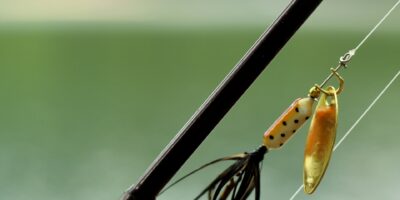
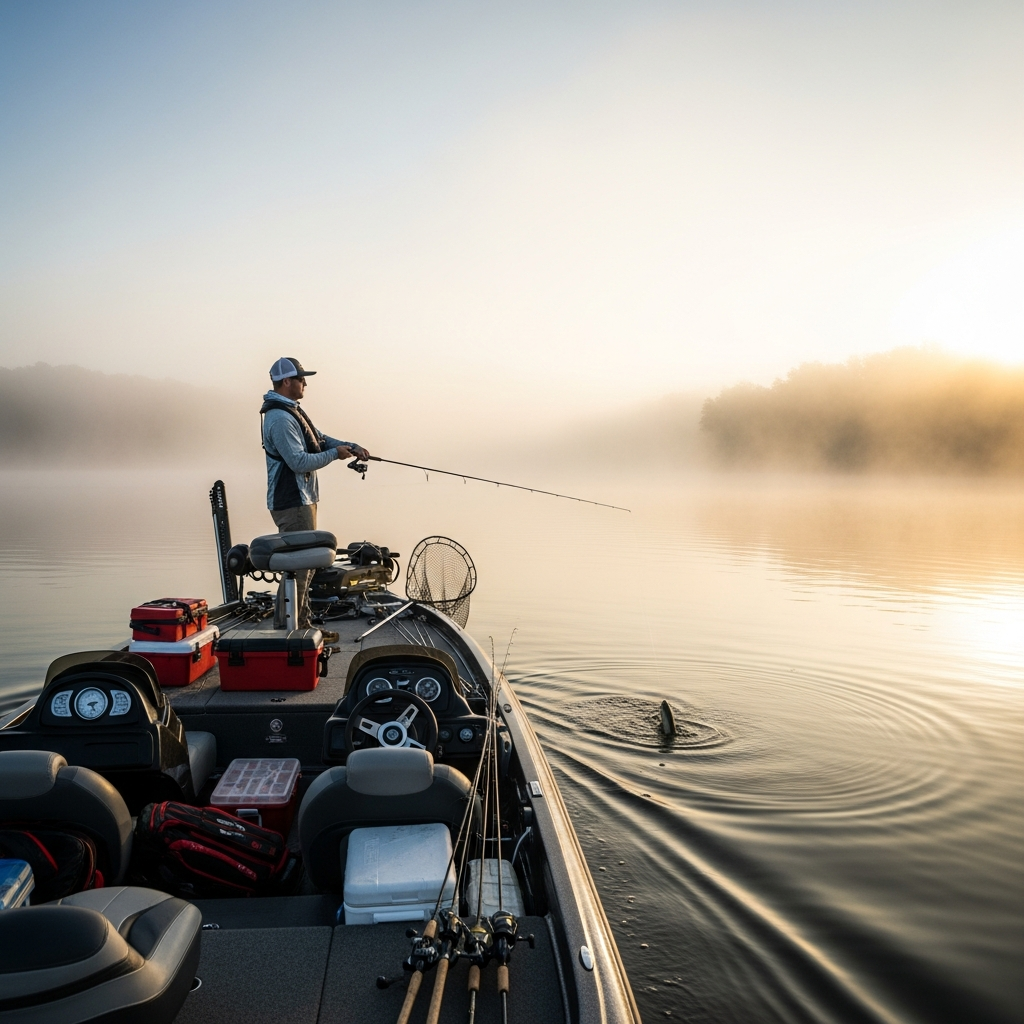
Conventional gear works great too, especially in bigger water. Crankbaits that imitate sculpin or small trout trigger reaction strikes from territorial browns. Use a strong, flexible rod and a smooth drag — big browns are powerful fighters that will test every component of your setup. I’ve had fish straighten hooks, break leaders, and spool reels. They don’t give up easily.
Conservation Efforts
Protecting brown trout populations means protecting their habitat. Overfishing, pollution, and development are the big threats. Many regions have moved toward catch-and-release regulations for large browns, and I fully support that. A 24-inch brown trout might be ten years old — it’s worth far more swimming than sitting on a stringer.
Habitat restoration projects — streambank stabilization, dam removal, riparian buffer planting — make a tangible difference. And individual anglers can contribute by handling fish carefully, using barbless hooks, and keeping fish in the water during photos.
Interesting Facts
- Brown trout were first introduced to North America in 1883 in Michigan, and they’ve since spread to suitable habitats across the continent.
- They can survive in both freshwater and brackish environments — sea-run browns (called sea trout) are common in European coastal waters.
- Some brown trout make significant migrations within river systems, traveling dozens of miles between feeding and spawning areas.
- Tiger trout — the hybrid between brown trout and brook trout — occur naturally and are also stocked in some states. They’re gorgeous and aggressive.
- The scientific name for brown trout is Salmo trutta, and they’re more closely related to Atlantic salmon than to rainbow trout.
Chasing big brown trout is more than a hobby for me — it’s an obsession. Their intelligence, their wariness, the settings where you find them, the heart-stopping moment when a big one eats your fly in the dark. It all adds up to something that no other species quite delivers. Whether you’re on a famous tailwater or an overlooked farm creek, the pursuit of big browns will push your skills and reward your persistence in ways that’ll keep you coming back season after season.