Best Time to Fish in Florida
Fishing timing in Florida has gotten complicated with all the conflicting calendar advice and generic “best season” guides flying around. As someone who’s fished the Sunshine State for over a decade — from the Panhandle to the Keys, inshore and offshore — I learned everything there is to know about when to wet a line down here. Short answer: you can fish year-round. But the details matter a lot.
Seasons and Fishing Conditions
Florida’s subtropical and tropical climate means the fishing never truly shuts off. But certain seasons stack the deck in your favor for specific species. Northern Florida fishes more like the Deep South, while South Florida is practically Caribbean. The seasonal patterns are different enough that lumping them together leads to bad advice.
Spring
Spring is my favorite time to fish Florida. March through May, everything wakes up. Water temperatures climb, days get longer, and fish respond with aggressive feeding and spawning activity. Freshwater bass fishing is outstanding during spring — largemouth are shallow, on beds, and willing to hit just about anything that threatens their nest. I’ve had 30-fish days on lakes that felt almost unfair.
Summer
Summer in Florida is brutal on humans but productive for fishing if you time it right. The middle of the day will cook you, so I’m either on the water before dawn or fishing the evening bite. Offshore is where summer really shines. Mahi-Mahi, Kingfish, and Tuna stack up on weed lines and current edges. Inshore, Snook and Redfish are active but tend to feed in lower-light conditions. Honestly, some of my best Snook catches have been at night during June and July.
Fall
Fall is underrated. The tourists thin out, temperatures become comfortable, and fish start migrating. September through November, you’ll see larger schools of fish moving through. Tarpon make their final pushes, and Grouper season is in full swing. That’s what makes fall fishing endearing to us year-round Florida anglers — the crowds disappear but the fish don’t. Cooler water draws baitfish closer to shore, and everything that eats baitfish follows.
Winter
Winter in Florida is mild compared to the rest of the country, but cold fronts still affect fish behavior. Between December and February, fish seek warmer water — springs, power plant outflows, and deeper channels. Sheepshead, Speckled Trout, and Redfish are the stars of the winter season. I actually look forward to winter fishing because the pressure drops dramatically and the fish that are around tend to be concentrated in predictable spots.
Time of Day
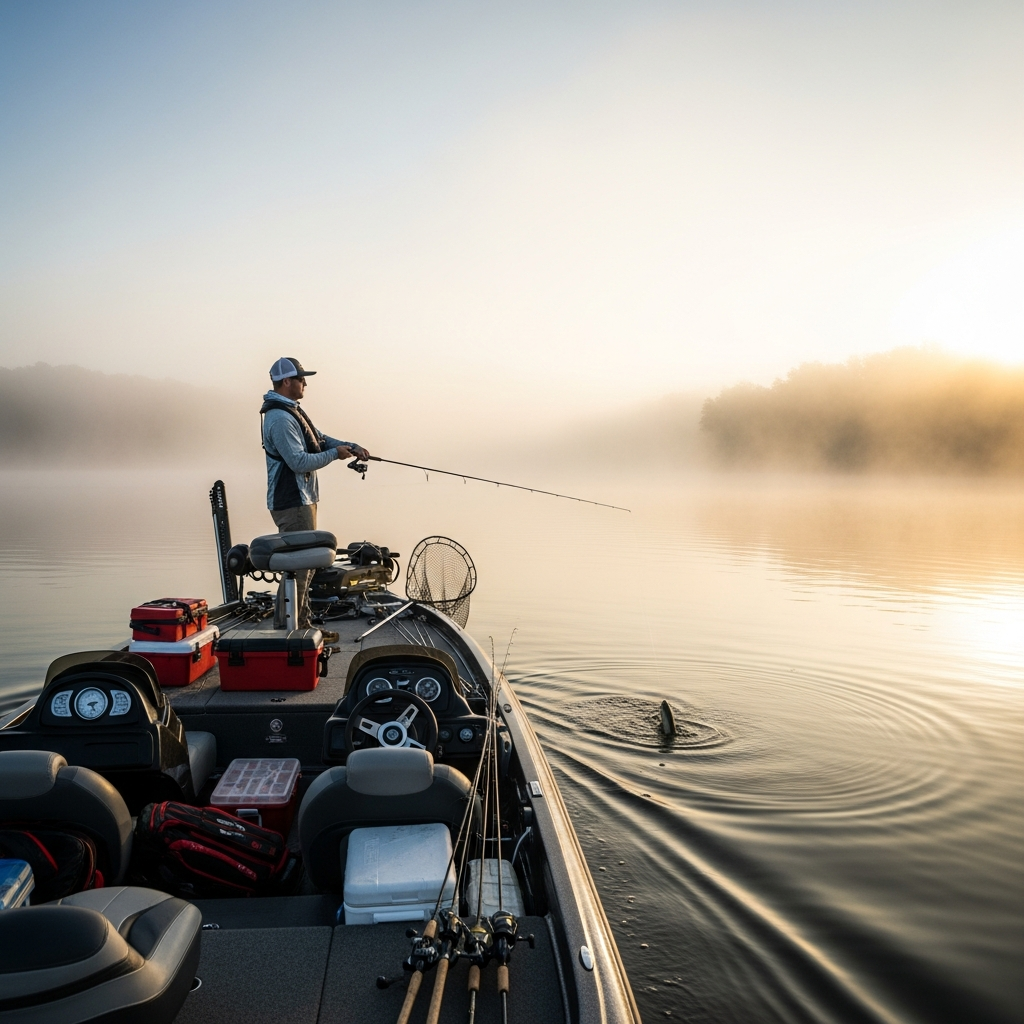
Dawn and dusk produce consistently across all seasons. Fish feed aggressively in low-light conditions when they feel safer and can ambush prey more effectively. Midday can work under overcast skies or in shaded areas. Night fishing is legitimate for species like Snook, Tarpon, and Catfish — dock lights attract baitfish, and predators lurk just outside the light’s edge. Some of my most memorable catches have come after midnight.
Types of Fishing
Inshore Fishing
Inshore is my bread and butter. Redfish, Snook, and Sea Trout in the mangroves, grass flats, and oyster bars. Early mornings during cooler months are prime. Tidal movements are everything — incoming tides push bait onto the flats, and predators follow. Learn to read the tides for your specific area, and you’ll catch fish that other anglers walk past.
Offshore Fishing
Florida’s offshore fishing is world-class, and that’s not hyperbole. The Gulf Stream runs close to the coast, bringing big game fish within reach. Sailfish, Marlin, Wahoo, and Mahi are all legitimate targets. Late spring through early fall is optimal. Calm seas and warm currents support the migration patterns these species follow. If you’ve never experienced a Sailfish jumping behind your boat, put it on the list.
Freshwater Fishing
Probably should have led with this section, honestly. Florida’s freshwater fishing is legitimately some of the best in the country. Largemouth Bass are the primary draw, and they grow big down here thanks to the long growing season and abundant forage. Best times are early morning during spring and fall, when water temps sit in that 65-75 degree sweet spot. Lakes like Okeechobee, Toho, and the Kissimmee Chain produce trophy bass with remarkable consistency.
Regional Considerations
Panhandle
The Panhandle is Florida’s best-kept secret. Spring and fall are ideal. Coastal waters hold Redfish, Speckled Trout, and Flounder. Inland, Largemouth Bass and Catfish are plentiful. The pace is slower up here, and I mean that in the best way possible.
Northeast Florida
Northeast Florida benefits from Atlantic currents and solid freshwater systems. Summer brings Tarpon and Kingfish close to shore. The St. Johns River is legendary for its big bass — some of the state records have come from this system. Winter months bring variety to the estuaries, with everything from Sheepshead to Flounder showing up.
Central Florida
Central Florida is a freshwater angler’s paradise. Lake Okeechobee is a world-class bass fishery. The Kissimmee Chain and St. Johns River provide year-round opportunities. Winter months are actually the best for bass fishing in central Florida — cooler water concentrates fish and triggers pre-spawn feeding. I’ve driven past Disney World on my way to a bass lake more times than I can count.
South Florida
South Florida’s warm climate means the fishing never stops. The Keys are a destination fishery for good reason — Bonefish, Permit, and Tarpon on the flats inshore, Sailfish and Mahi-Mahi offshore. May through September is prime for offshore, but the flats fishing is productive year-round. If you can only fish Florida once, fish the Keys.
Weather Influences
Florida weather is unpredictable, and that unpredictability actually creates opportunities. Light winds make for comfortable fishing, but moderate winds stir up baitfish and attract predators. The real magic happens before storms — falling barometric pressure triggers feeding frenzies. I’ve had my best days right before afternoon thunderstorms rolled in. You’ve got to watch the sky and know when to get off the water, but that window of pre-front activity can be incredible.
Moon Phases and Tides
Full and new moons create the strongest tidal movements, and stronger tides mean more active fish. I plan my serious fishing trips around these moon phases whenever possible. Conversely, slack tides — that dead period between tidal changes — can slow things down considerably. Coordinating your trips with natural cycles isn’t superstition; it’s backed by decades of catch data.
Special Events and Regulations
Florida hosts world-class fishing tournaments throughout the year, often timed to coincide with peak migration periods. The annual Tarpon run through Boca Grande Pass in late spring is one of the great spectacles in American fishing. Regulations change seasonally for many species — Grouper, Snook, and others have closed seasons to protect spawning populations. Always check current FWC regulations before heading out.
Professional Guides and Charters
If you’re fishing unfamiliar water, hiring a local guide is the smartest money you can spend. These folks fish their home waters daily and understand seasonal patterns, productive spots, and techniques that take visiting anglers years to figure out. Charter services are available for both inshore and offshore, ranging from budget-friendly half-days to premium full-day excursions.
Necessary Equipment
Gear up based on what you’re targeting. Inshore fishing calls for lighter tackle — a medium-action spinning rod with a 3000-size reel handles most situations. Offshore, you need heavier gear: strong rods, high-capacity reels, and terminal tackle rated for fish that can pull harder than you. Live bait like shrimp and minnows work everywhere. Artificial lures — spoons, jigs, soft plastics — are effective when matched to what the fish are eating.
Safety Measures
Fishing Florida requires respect for the environment. Always wear a life jacket on boats. Be aware of alligators in freshwater (they’re more common than most visitors realize) and venomous snakes in marshy areas. Stay hydrated — Florida heat and sun will drain you faster than you expect. Sunscreen, a hat, and plenty of water aren’t optional. Watch weather forecasts religiously, especially during summer storm season. Getting caught in a Florida thunderstorm on open water is no joke.