Farm ponds, neighborhood retention ponds, golf course ponds, backyard ponds—small waters under 10 acres hold more fish than most anglers realize. Pond fishing is the most accessible fishing in America, and often the most productive if you know what to look for.
Why Ponds Fish So Well
A well-managed pond can produce more pounds of bass per acre than any reservoir. Without commercial fishing pressure and with regular feeding from insects and baitfish reproduction, pond fish grow fast and stay healthy. A 5-acre pond might hold 50+ bass over 2 pounds—try finding those numbers at your local lake.
The small size works in your favor. You can cover an entire pond in a couple hours, learning every feature, every weedbed, every shady spot. That knowledge compounds over time until you know exactly where fish will be in any condition.
Finding Ponds to Fish
Ask Permission: Most private ponds go unfished because nobody asks. Knock on doors, explain you practice catch-and-release, offer to share your catch if they want it. Landowners often say yes—they like knowing someone is using the pond.
Public Ponds: City parks, community recreation areas, and state wildlife management areas often have fishable ponds. Some are stocked; others have self-sustaining populations.
Golf Courses: Many allow fishing before or after golfing hours. The ponds are maintained, get minimal pressure, and often hold trophy bass.
Neighborhood Retention Ponds: HOA rules vary. Some allow fishing for residents; others prohibit it. Check before you cast, but these ponds often hold surprising fish.
Essential Pond Structure
Every pond has key features that concentrate fish:
The Dam: Usually the deepest part of the pond. Bass, catfish, and panfish hold along the face. Fish rip-rap (rocks) slowly—bass hide in the crevices.
Points: Any land extending into the water creates a point. Fish use points to ambush baitfish moving along the bank.
Weeds and Vegetation: Lily pads, cattails, submerged grass—fish hold at the edges. Bass ambush from inside; panfish feed in the shade.
Docks and Piers: Shade plus structure. Fish the shadow line during bright conditions.
Feeder Creeks: Any inflow brings oxygenated water and food. After rain, fish stack up near creek mouths.
The Deepest Hole: Find it by fan-casting a sinking lure. Fish hold here during temperature extremes—hot summer afternoons, cold fronts, winter.
Best Pond Fishing Tactics
For Largemouth Bass
Topwater (early morning, evening): Buzz baits, poppers, and walking baits trigger explosive strikes in low light. Work parallel to the bank, casting tight to cover.
Soft Plastics (anytime): Senko-style worms and creature baits rigged weedless. Let them sink to the bottom, twitch, pause, repeat. Pond bass rarely refuse a properly presented soft plastic.
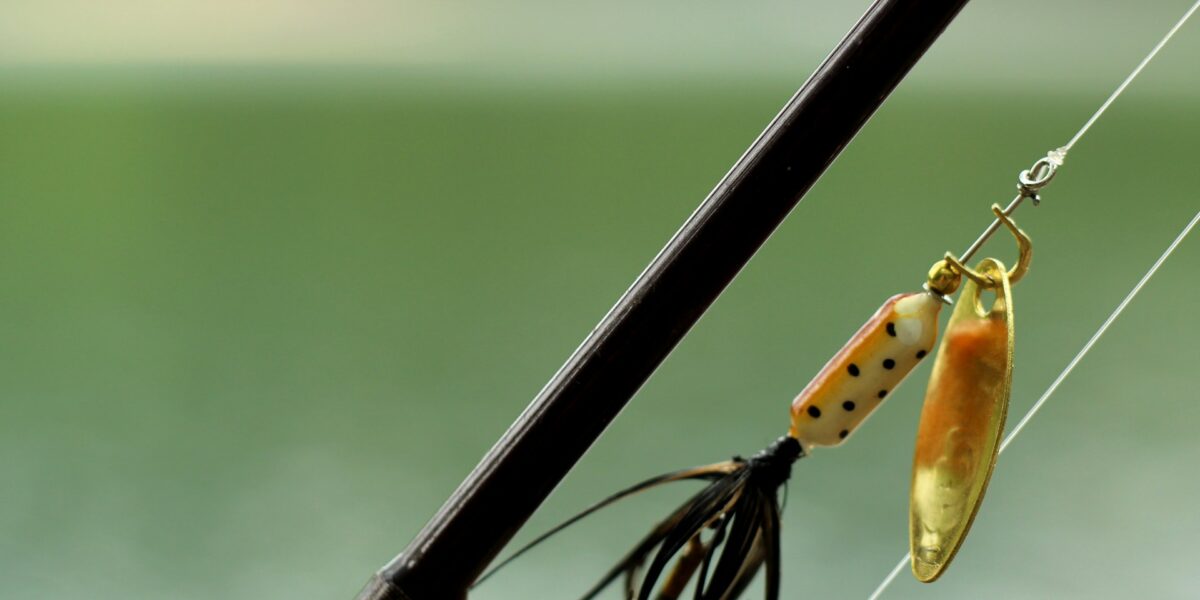
Spinnerbaits (cloudy days, stained water): Slow-roll along the bottom near cover. The vibration draws fish from a distance.
For Panfish
Small jigs (1/64 to 1/16 oz) under a bobber or slip float. Tip with waxworms, small pieces of worm, or fish plain. Cast near weeds, let sit, watch the bobber. Bluegill and other panfish hit quickly—if you don’t get bit in 30 seconds, move the bait.
For Catfish
Fish the deepest hole with cut bait, chicken liver, or commercial dip baits on the bottom. Night fishing often produces the biggest cats. Pond catfish can get huge—20+ pounders aren’t unusual in established ponds.
Pond Fishing Tips
- Fish the edges first. Walk the bank and fish all the obvious shoreline cover before casting to open water.
- Go early or late. Pond fish are more active in low light. Midday fishing can be slow, especially in summer.
- Match your tackle to the pond. Heavy gear isn’t necessary. Medium-light spinning tackle handles most pond bass.
- Practice catch and release. Small ponds can’t sustain heavy harvest. Release fish to keep the population healthy.
- Watch for feeding activity. Baitfish jumping, swirls, bird activity—all indicate fish feeding. Cast immediately.
Seasonal Patterns in Ponds
Spring: Fish move shallow to spawn. Bass are on beds in 2-4 feet. Panfish spawn shortly after. Best fishing of the year for numbers.
Summer: Early morning and evening bite. Fish the deepest water during hot afternoons. Topwater excellent at dawn.
Fall: Fish feed heavily before winter. Some of the biggest bass of the year come in October-November.
Winter: Slow but fishable. Target the deepest water with slow presentations. Catfish remain active.
A good pond is worth its weight in gold. Find one, treat it right, and you’ll have reliable fishing whenever you need it—no boat required, no crowds, no excuses.



Stay in the loop
Get the latest freshwater fishing spots updates delivered to your inbox.