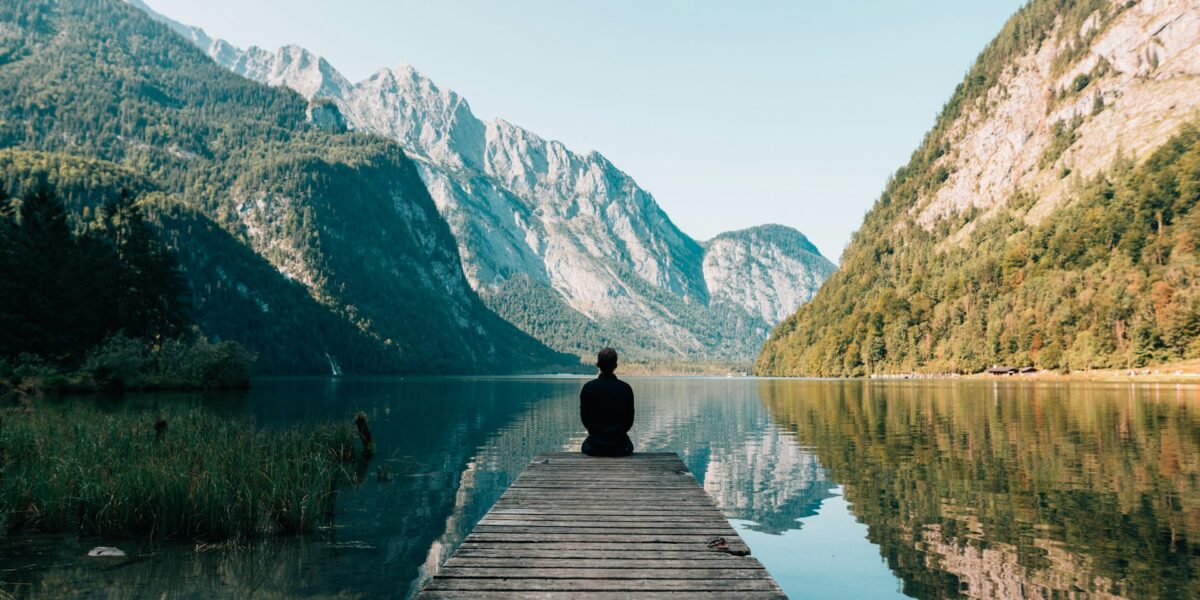
Public fishing piers exist specifically to provide free access to anglers without boats. Cities, counties, states, and federal agencies build and maintain these structures so that fishing remains accessible to everyone regardless of economic circumstances. Yet most pier anglers cluster at the same handful of spots while dozens of productive piers sit underutilized.
Finding good pier fishing requires moving past the obvious destinations. The pier at the famous lake draws crowds. The pier at the anonymous reservoir catches just as many fish with a fraction of the competition.
State Park Fishing Piers
State parks across the country maintain fishing piers as standard amenities. Some charge park entrance fees, but the fishing itself remains free. Others provide free fishing access even when other park activities require payment.
These piers target waters stocked specifically for park visitors. State fish and game agencies coordinate with park departments to ensure fishable populations. A pier at a state park lake might receive multiple stockings annually that general public waters don’t get.
Lesser-known state parks dramatically outperform famous ones for pier fishing. Everyone knows about the big parks. The small park two counties over offers the same fishing with empty parking lots.
City and County Maintained Piers
Municipal parks departments operate fishing piers on reservoirs, lakes, and rivers throughout urban and suburban areas. These structures exist for residents to use but receive minimal promotion. Finding them requires searching park system maps rather than fishing websites.
Urban pier fishing often surprises anglers expecting poor quality. City water supplies create reservoirs specifically managed for water quality, not fishing. But fish don’t care about a lake’s primary purpose. Bass, catfish, and crappie thrive in municipal water supplies.
Smaller towns maintain piers on waters that don’t appear in state tourism marketing. A drive through rural counties reveals community fishing areas with piers that serve local populations without drawing outside visitors.
Army Corps of Engineers Facilities
The Army Corps maintains thousands of recreation areas around its flood control and navigation projects. Many include fishing piers on reservoirs and tailwaters that offer excellent fishing. These facilities are federally funded and generally free to use.
Corps lakes in the Southeast and Midwest host some of the country’s best bass, crappie, and catfish populations. Fishing piers at recreation areas provide access to these fish without requiring boat ownership. The infrastructure exists because Congress funded it decades ago.
Tailwater fishing piers below dams put anglers in prime fishing positions. The discharge areas concentrate fish, and elevated platforms allow casting to water that waders can’t reach safely. Some of the best tailwater fishing happens from Corps-maintained piers.
What to Expect From Pier Fishing
Pier fishing has inherent limitations. You can only cast to water within range of the structure. Other anglers share the same space. Tangled lines become inevitable during crowded times.
But piers also provide advantages. Elevated casting positions let you see fish and structure visible from shore. The pier itself creates shade and structure that attracts fish. Night fishing from lighted piers draws baitfish and predators to your feet.
Species composition varies by location. Southern piers produce catfish, bass, and panfish. Northern piers might target walleye, pike, and trout. Coastal piers blur the line between fresh and saltwater depending on tidal influence.
Maximizing Pier Success
Fish the edges rather than straight off the end where everyone else casts. Corners, pilings, and the intersection of pier and shoreline all hold fish that avoid the high-pressure zones.
Arrive early or stay late. Piers that crowd up midday often fish virtually alone at dawn and dusk. The low-light periods when fish feed most actively coincide with when casual visitors stay home.
Bring bait that others don’t use. If everyone throws corn, try nightcrawlers. If cut shad is standard, switch to live baitfish. Differentiation catches fish that have learned to avoid common offerings.
12 Free Public Piers Worth Visiting
Every state has standout public piers, but a few categories consistently produce:
Look for piers on hydroelectric reservoirs. These lakes have stable water levels, consistent forage, and active management. Corps of Engineers lakes and TVA reservoirs both fit this profile.
Target piers near structure visible on maps. A pier positioned over a creek channel, near a point, or adjacent to standing timber accesses better habitat than a pier extending into featureless flats.
Search for piers rebuilt recently. States modernize fishing pier infrastructure with federal sport fish restoration funds. New piers often indicate renewed stocking commitments and management attention.
Check state wildlife agency websites for lists of public fishing areas. Many states maintain dedicated pages listing every publicly accessible fishing pier. These resources identify waters you’d never discover otherwise.
The Democratic Nature of Pier Fishing
Pier fishing puts everyone on equal footing. The angler with a $100 rod fishes the same water as the angler with $10,000 in tackle. Access doesn’t depend on boat ownership, fuel prices, or trailering skills.
Kids catch their first fish from piers. Seniors who can’t wade rivers anymore fish from piers. People without transportation fish piers they can reach on foot. The accessibility isn’t incidental; it’s the entire point.
Free public fishing piers represent democracy in action. They exist because someone decided fishing should be available to everyone. Using them honors that decision.


Stay in the loop
Get the latest freshwater fishing spots updates delivered to your inbox.