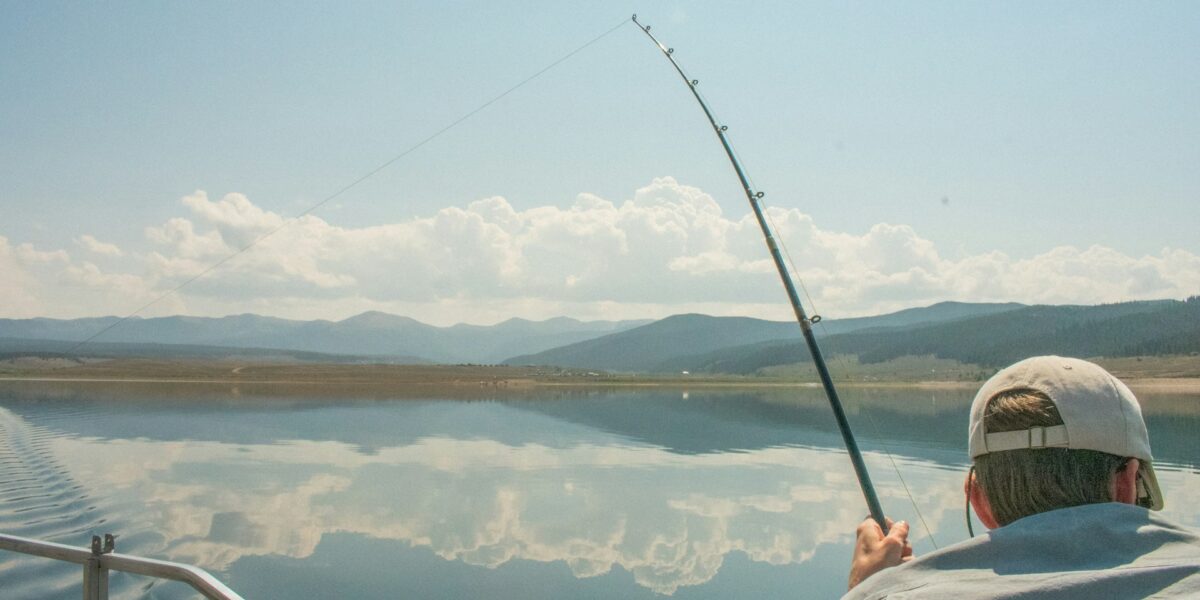
Every angler dreams of finding that perfect stretch of water where the only sounds are casting lines and rising fish. National forests hold thousands of lakes and streams that deliver exactly that—if you know where to look.
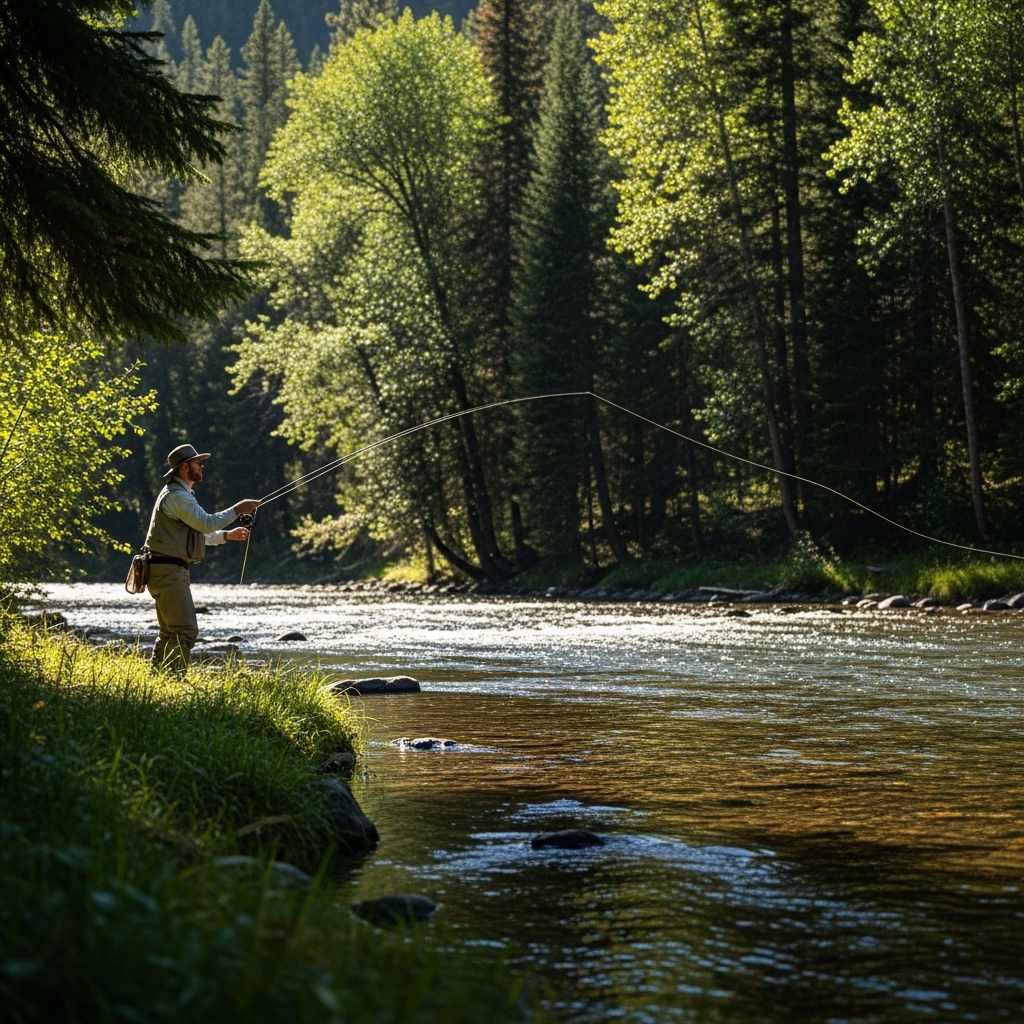
Why National Forest Waters
The U.S. Forest Service manages 193 million acres containing countless fishable waters. Unlike state parks with designated fishing areas, national forests offer dispersed access to remote lakes and streams. Most see minimal pressure.
Finding Solitude
Distance filters crowds. Waters within a mile of parking see 90% of the pressure. Hike two miles and you’ll likely fish alone.
Check wilderness areas. These roadless zones require foot or horse access. The extra effort means extraordinary fishing with zero crowds.
Skip opening weekend. Forest waters get hammered the first weeks of season. Mid-summer through fall offers better solitude.
Research Tools
- Forest Service interactive maps show lakes and access
- USGS topo maps reveal off-trail waters
- Stocking records tell you what’s been planted
- Ranger stations provide current conditions
Planning Your Trip
National forest fishing often means primitive conditions. Plan for:
- No facilities (bring water, pack out trash)
- Rough roads (check conditions, bring tools)
- Variable weather (mountain storms appear fast)
- Wildlife encounters (store food properly)
Making It Count
Remote forest lakes often hold smaller but abundant fish. Brook trout dominate many high-elevation lakes. These aren’t trophy waters—they’re wild waters. The reward is the experience: pristine scenery, complete solitude, and fish that have never seen a fly.
One perfect day on a national forest lake beats a dozen crowded trips to popular waters.


Stay in the loop
Get the latest freshwater fishing spots updates delivered to your inbox.