Trophy striped bass don’t get caught by accident. The fish that push past 40, 50, or 60 pounds have survived years of fishing pressure, learned to avoid obvious presentations, and feed on schedules that most anglers never witness. Landing one requires understanding their behavior and adapting your approach accordingly.
I’ve chased big stripers for over a decade now, with enough success to know what works and enough failure to know how easily things go wrong. Here’s what actually produces those trophy fish.
Timing Is Everything
Big stripers feed when smaller fish don’t. The trophy bass that veterans talk about—the ones that make your reel scream—move and feed during windows that casual anglers miss entirely.
Night fishing produces a disproportionate number of large bass. After dark, the giants that stayed deep during daylight move into shallower water to hunt. They become aggressive in ways they won’t during sunlight hours. The same structure that held nothing at noon might hold the fish of a lifetime at midnight.
Moon phase matters more than many anglers realize. The days surrounding new and full moons trigger feeding behavior in big bass. Something about the tidal amplitude or the light conditions activates them. My log books show a clear pattern: more trophy fish during major lunar phases than the weeks in between.
Tide changes concentrate bait and position stripers to ambush. The first two hours of an incoming tide often produce the best action in estuarine environments. Moving water brings food; stripers position themselves to intercept it.
Where Giants Live
Structure holds big stripers, but not all structure equally. The underwater real estate that consistently produces trophy fish has specific characteristics worth understanding.
Depth transitions matter. Ledges where shallow flats drop into deeper channels create ambush points. Big stripers hold on the deep side of these transitions, moving up when bait passes overhead. Electronics that reveal bottom contours help identify these productive zones.
Current breaks provide energy-efficient feeding positions. Boulders, bridge pilings, points, and any obstruction that creates eddies in moving water attract large bass. They’ll hold in the calm water, darting into the current to grab prey, then returning to rest.
Rocky structure outfishes sand and mud for trophy hunters. The complexity provides hiding spots for bait and ambush positions for predators. Riprap shorelines, boulder fields, and rocky points all deserve attention.
Presentations That Work
Big stripers have seen a lot of lures. The presentations that fool them tend to be either very natural or very aggressive—nothing in between works consistently.
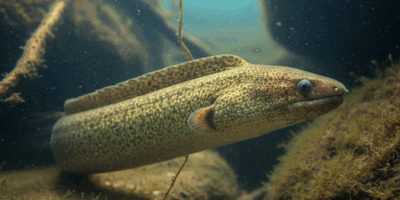
Live eels remain the top producer for trophy stripers in most waters. A properly hooked and slowly retrieved eel triggers instinctive strikes from bass that ignore artificial offerings. The scent, movement, and profile all match what big fish expect from real prey.
Large swimbaits in the 6-10 inch range match the baitfish that trophy stripers actually eat. Big bass want substantial meals. Downsizing to match what you see at the surface often means targeting smaller fish. The trophy swimmers want bunker, herring, or other sizeable forage.
Topwater plugs produce dramatic strikes when conditions align. Calm water, low light, and bait activity near the surface set up the magic. A big popper or walking bait pulled slowly across a likely spot can draw strikes that’ll stay with you for years.
Slow retrieves outperform fast ones for big fish more often than not. Trophy bass don’t want to chase. They want easy meals that swim right past their ambush spots. Patience in your presentation often means better fish.
Tackle Considerations
The fish that breaks you off teaches more than the fish you land, but the lesson is expensive. Trophy striper tackle needs to handle the fight without giving the fish unfair advantages.
Rod power should match potential fish size, not average fish size. A medium-heavy rod that handles 30-pound bass might fail when a 50-pounder makes its first run. Err toward the heavier side when targeting trophies.
Line capacity matters for open-water fights. Big stripers take line—a lot of it. Reels that seem adequately spooled for typical fishing get emptied by trophy fish running for structure. Two hundred yards of backing plus your main line isn’t excessive.
Leaders take abuse. Striper jaws contain sandpaper-rough surfaces that chew through monofilament and fluorocarbon. Fifty-pound fluorocarbon leader material represents reasonable insurance against abrasion during long fights.
Circle hooks improve hook-up ratios and survival rates for released fish. The design ensures corner-of-mouth hooksets that hold securely during fights and cause minimal damage. Most trophy striper anglers have switched to circles for bait fishing.
Fighting the Fish
Hooking a trophy striper is only the beginning. The fight that follows determines whether you’re holding that fish for photos or watching your line go slack.
Let the fish run. Trying to stop a big striper’s initial burst just breaks lines and pulls hooks. Let the drag do its job. You’ll get line back eventually; you won’t get another chance if the hook pulls or the line parts.
Stay connected through headshakes. Big bass thrash violently, and slack line during those headshakes is how hooks come free. Keep pressure on without overloading the tackle.
Steer toward open water when possible. Trophy stripers know every rock, piling, and snag in their territory. They’ll run for structure if you let them. Consistent side pressure can turn a fish before it reaches the hazards.
Take your time. A tired fish is a landable fish. Rushing the fight to get the fish to the net often results in one last explosive run that breaks you off at the worst moment. Patience in the fight matches patience in the presentation.
The Conservation Reality
Trophy stripers are finite resources. Every fish killed at 40, 50, or 60 pounds is a decade or more of growth removed from the population. These breeding-age giants contribute disproportionately to future stocks.
Release practices matter as much as catching techniques for anyone who wants trophy fishing to continue. Proper handling—supporting the fish horizontally, minimizing air exposure, reviving exhausted fish before release—gives these animals their best survival chances.
Photography happens fast or it doesn’t happen. Get your camera ready before lifting the fish. Take a few shots, then get the fish back in the water. The hero shot isn’t worth the hero’s life.
The stripers that future anglers pursue will come from the fish we release today. Treating trophies as reproducible resources rather than wall trophies keeps the fishery alive for everyone.