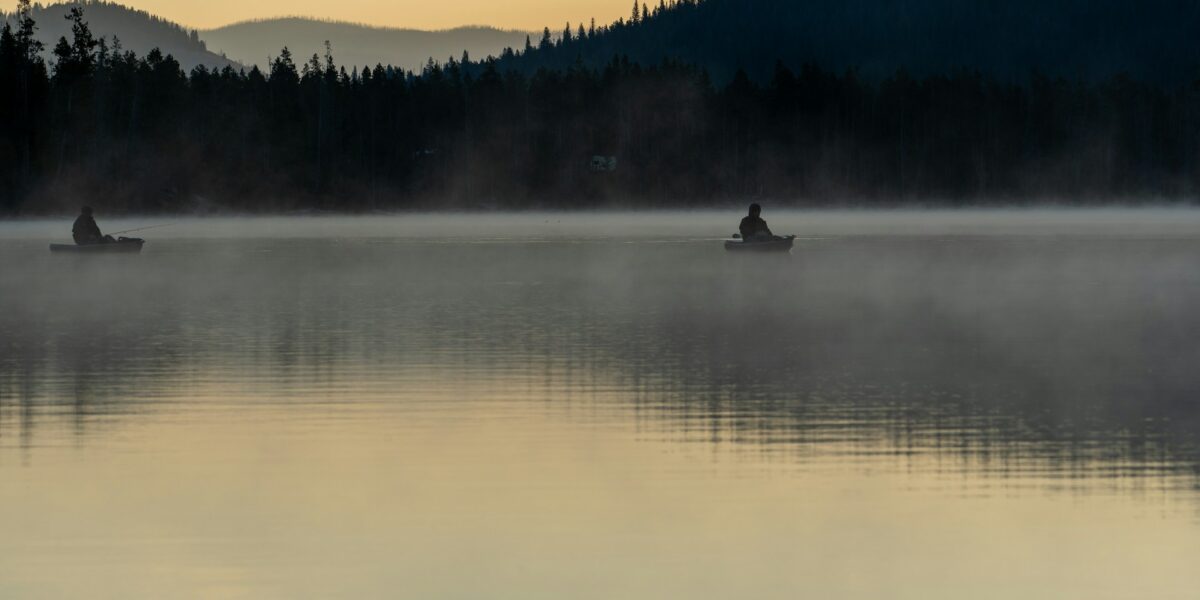
Lakes fish differently than rivers. Understanding structure, depth, and seasonal patterns turns random casting into targeted fishing. Here’s how to read lake water like a local.
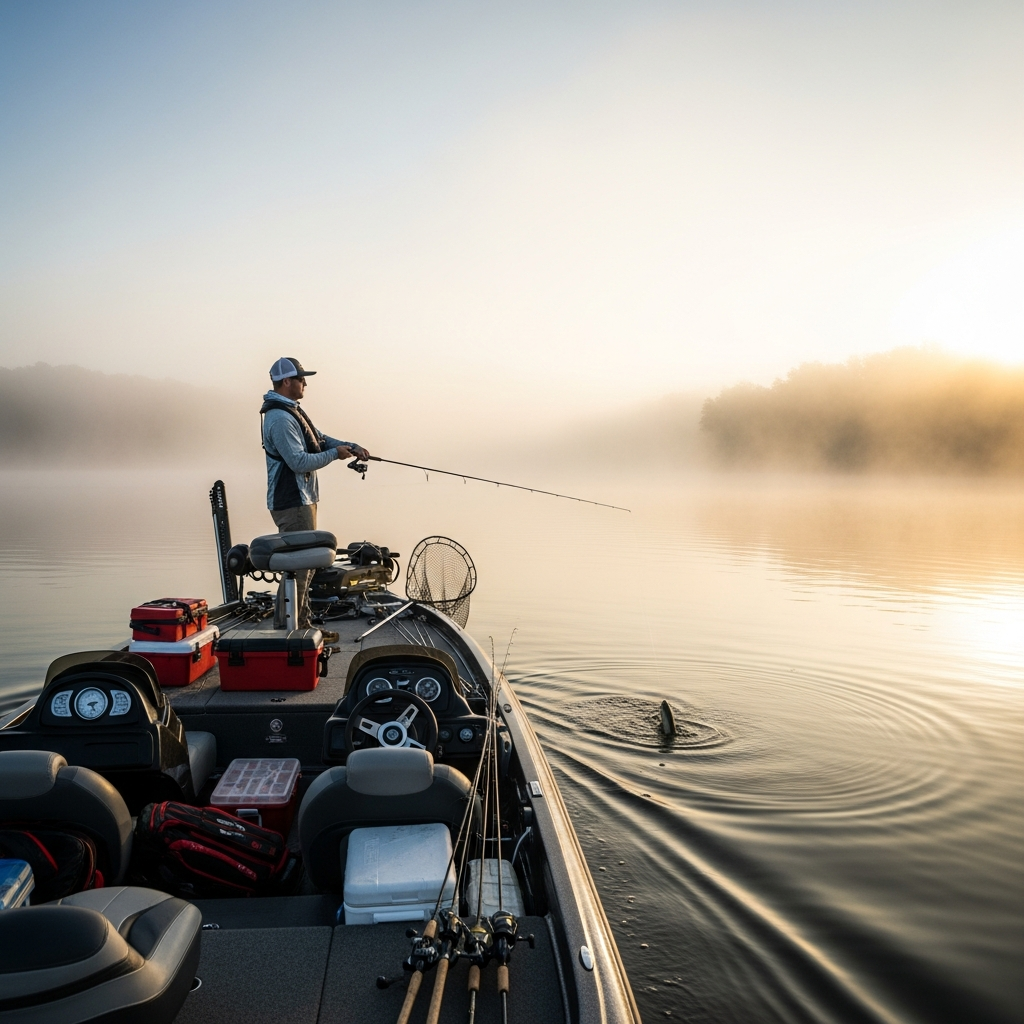
Structure Is Everything
Fish relate to structure—anything different from the surrounding bottom. Learn to identify:
- Points: Land extending into the lake. Fish travel along points moving shallow and deep.
- Drop-offs: Where shallow flats meet deep water. Fish stage here before moving shallow to feed.
- Weed edges: The transition between vegetation and open water holds feeding fish.
- Submerged timber: Standing or fallen trees provide cover and ambush points.
- Rock piles: Boulders and riprap attract baitfish and predators.
Depth by Season
Spring: Fish move shallow as water warms. Target 2-10 feet near spawning areas.
Summer: Fish suspend over deep structure or hold near thermocline (temperature break). Find the cool water.
Fall: Fish follow baitfish toward shallows. Some of the year’s best fishing happens now.
Winter: Fish go deep and slow down. Vertical presentations work best.
Electronics Help
A basic fish finder shows depth and bottom composition. Look for:
- Depth changes indicating structure
- Baitfish schools (fish are nearby)
- Hard bottom vs. soft bottom
- Submerged vegetation
Without Electronics
No fish finder? Use visual cues:
- Points visible on shore continue underwater
- Weed lines reveal depth (weeds need sunlight)
- Water color changes suggest depth changes
- Maps show contours and structure
Putting It Together
Successful lake fishing means finding the combination of structure, depth, and temperature that fish want right now. Start with proven patterns for the season. Adjust based on what you see. Keep a fishing log to track what works.
The angler who understands why fish position where they do catches more fish than the angler who just casts randomly and hopes.


Stay in the loop
Get the latest freshwater fishing spots updates delivered to your inbox.