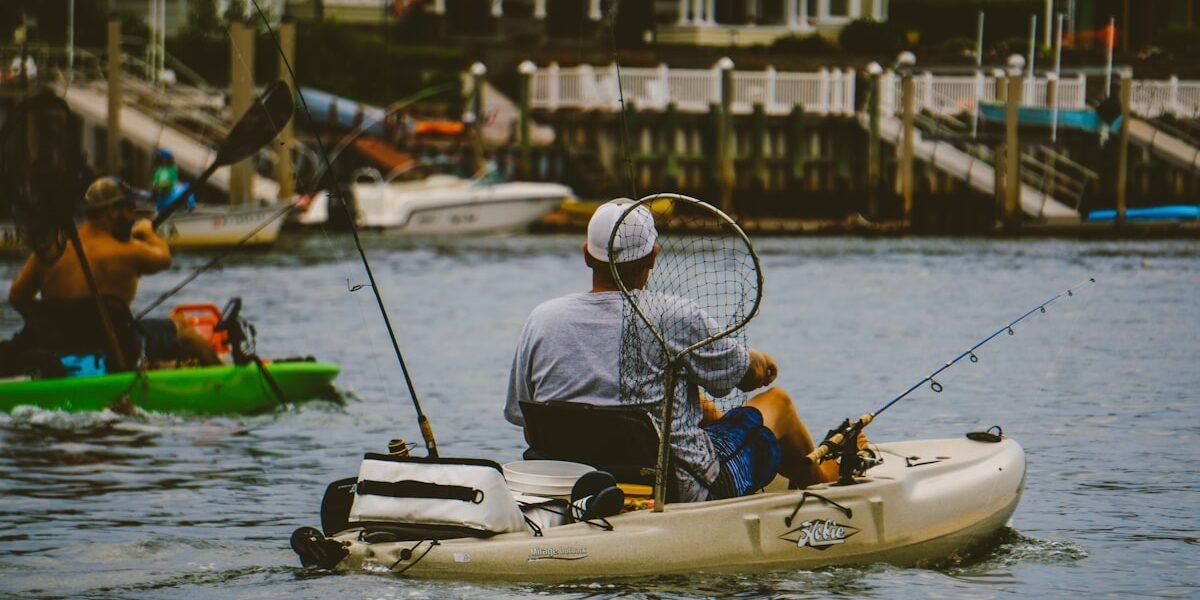
Kayak fishing has exploded in popularity because it solves a real problem. You get boat access to water without the hassle and expense of trailer rigs. But most kayak launch information assumes you have a ramp. What if you don’t have a trailer? What if you’re strapping a yak to your car and looking for places to slide in without backing down concrete?
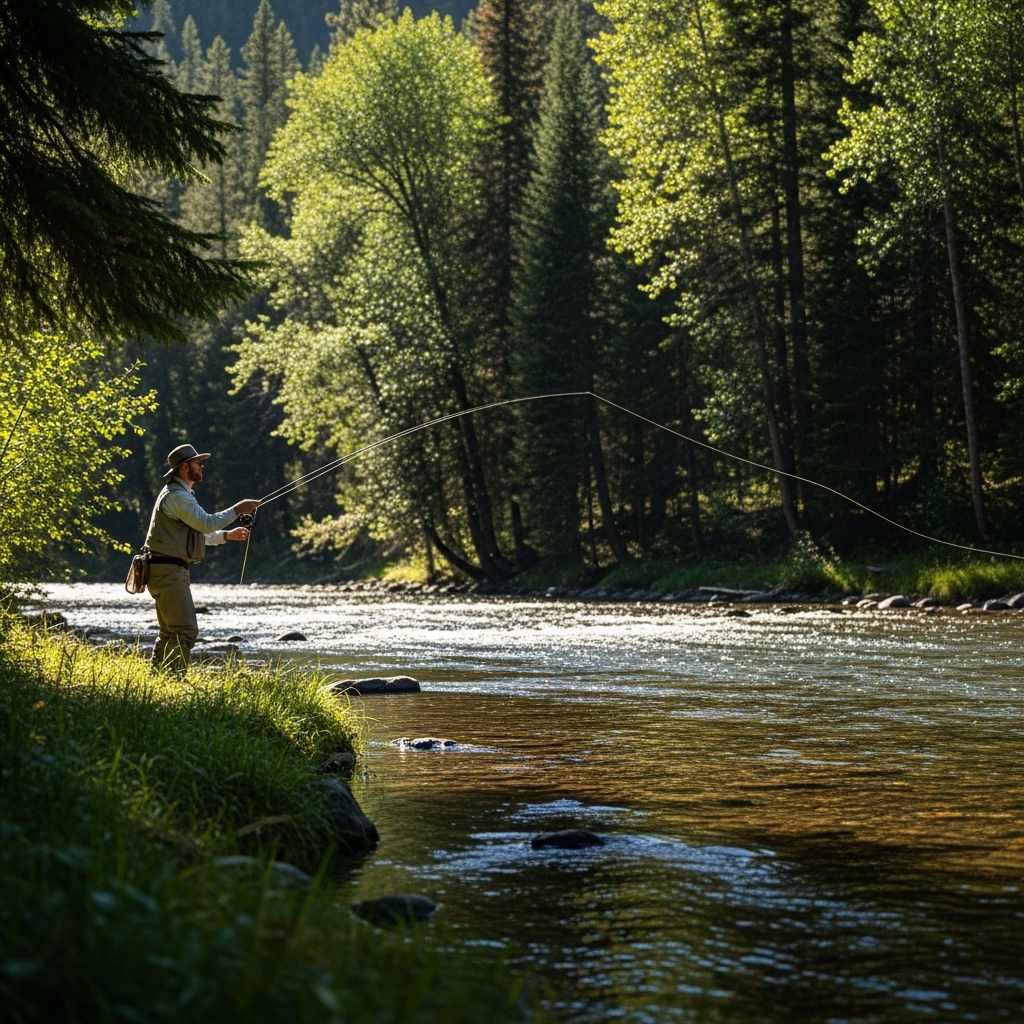
Carry-in launches open up waters that trailered boats never reach. Ponds without ramps. Creeks too shallow for motors. Urban waterways where parking lots sit right at water level. These spots become your personal fishing grounds once you know how to find them.
What Makes a Good Kayak Launch
You need three things: parking close to water, a path to the shoreline, and a spot where you can actually get in the boat. That’s it. No concrete ramp required. No dock necessary. Just a place to set the kayak down and push off.
Gradual banks work best. Steep drop-offs force you to lower the kayak by rope or risk sliding down mud slopes with the boat. Sandy beaches, gravel bars, and grass edges down to shallow water let you wade out and board comfortably.
Public land adjacent to water provides legal access. Parks, wildlife management areas, road crossings, and public rights-of-way all offer potential launch points. The key is identifying places where you can park, carry to water, and launch without trespassing.
Finding Carry-In Access Points
Google Earth reveals more than any fishing map. Satellite imagery shows where roads pass close to water, where parking lots sit near shorelines, and where paths lead to banks. Zoom in on waters you want to fish and look for access opportunities.
City and county parks often have kayak access that isn’t advertised. Walk the shoreline on foot first to scout potential launches. Many parks allow kayaks even if they don’t have formal launching facilities.
Road crossings over creeks and rivers almost always have some access point. Bridge abutments create eddies where launching is easy. Pull-offs near low-water crossings provide direct creek access. Check that parking is legal before leaving your vehicle.
Urban Kayak Fishing
Cities contain surprising fishing opportunities accessible only by paddle craft. Storm water retention ponds hold bass and panfish in suburban neighborhoods. Urban creeks flow through park systems with multiple access points. Rivers through downtown areas often have waterfront parks designed for non-motorized boats.
Research local regulations before launching in urban waters. Some municipal ponds prohibit boats. Others allow kayaks but not fishing. Still others welcome both but require permits. Know the rules before you put in.
Urban fish see less pressure than you might expect. Most anglers don’t bother with waters that require carrying a kayak. The bass in your local retention pond might never see a lure except from bank anglers on one accessible corner.
Equipment Considerations
Weight matters when you’re carrying gear. A 75-pound kayak that’s easy to slide off a trailer becomes a burden over a quarter-mile carry. Lighter boats in the 50-60 pound range or inflatable options change what’s possible.
Kayak carts transform difficult carries into simple walks. Two wheels strap to the boat’s hull and let you roll rather than lift. Some carts fold small enough to store in the kayak while fishing. The investment pays off on the first long carry.
Pack light for carry-in trips. A milk crate or small tackle bag replaces the tackle systems that sit in truck beds. Every ounce you bring gets carried to and from the water. Prioritize essential tackle and leave the backup gear at home.
Scouting New Water
Drive potential waters before committing to fish them. Check the parking situation, walk to the water’s edge, and evaluate the launch conditions. What looks promising on a map might have no parking or private property signs blocking access.
Talk to other kayak anglers in online forums and local clubs. The carry-in launch that becomes your favorite probably already has a following of paddlers who discovered it years ago. Their knowledge shortcuts your scouting process.
Pay attention to seasonal changes. A launch that works in summer might be underwater in spring or iced over in winter. Low water exposes mud flats that make launching impossible. Visit potential spots in different conditions to understand their year-round usability.
Launch Site Etiquette
Keep launches clean and low-impact. Dragging boats damages vegetation and creates erosion. Use existing paths rather than creating new ones. Pack out everything you bring in.
Yield to others using the launch. Some sites serve dog walkers, bird watchers, and general recreation. Don’t monopolize the best access point while rigging tackle for an hour. Get in, get out, and leave space for others.
Respect private property boundaries. Many good launches sit adjacent to private land. The path might be public, but one wrong turn puts you on someone’s property. Conflicts with landowners can result in lost access for everyone.
The Freedom of Carry-In Fishing
Every body of water becomes accessible when you’re willing to carry a kayak. The pond behind the shopping center. The creek that runs through the golf course. The lake at the end of the hiking trail. None of them have ramps. All of them hold fish.
Trailer boats go where ramps exist. Kayaks go wherever you can walk. That distinction opens fishing opportunities that most anglers never consider. Sometimes the best fishing happens in the places no one else bothers to reach.


Stay in the loop
Get the latest freshwater fishing spots updates delivered to your inbox.