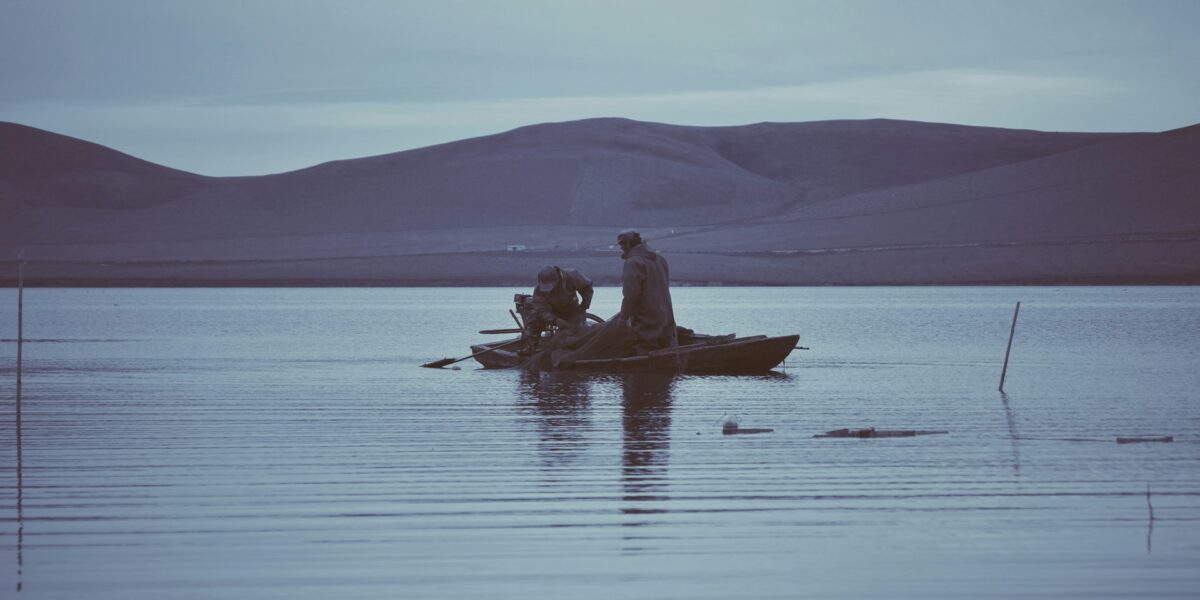
Float trips represent the purest form of river fishing. You launch at one point, drift downstream fishing water that bank anglers never reach, and take out miles later having covered territory impossible to access any other way. The logistics intimidate newcomers, but once you figure out the shuttle problem, float fishing opens up entire river systems.
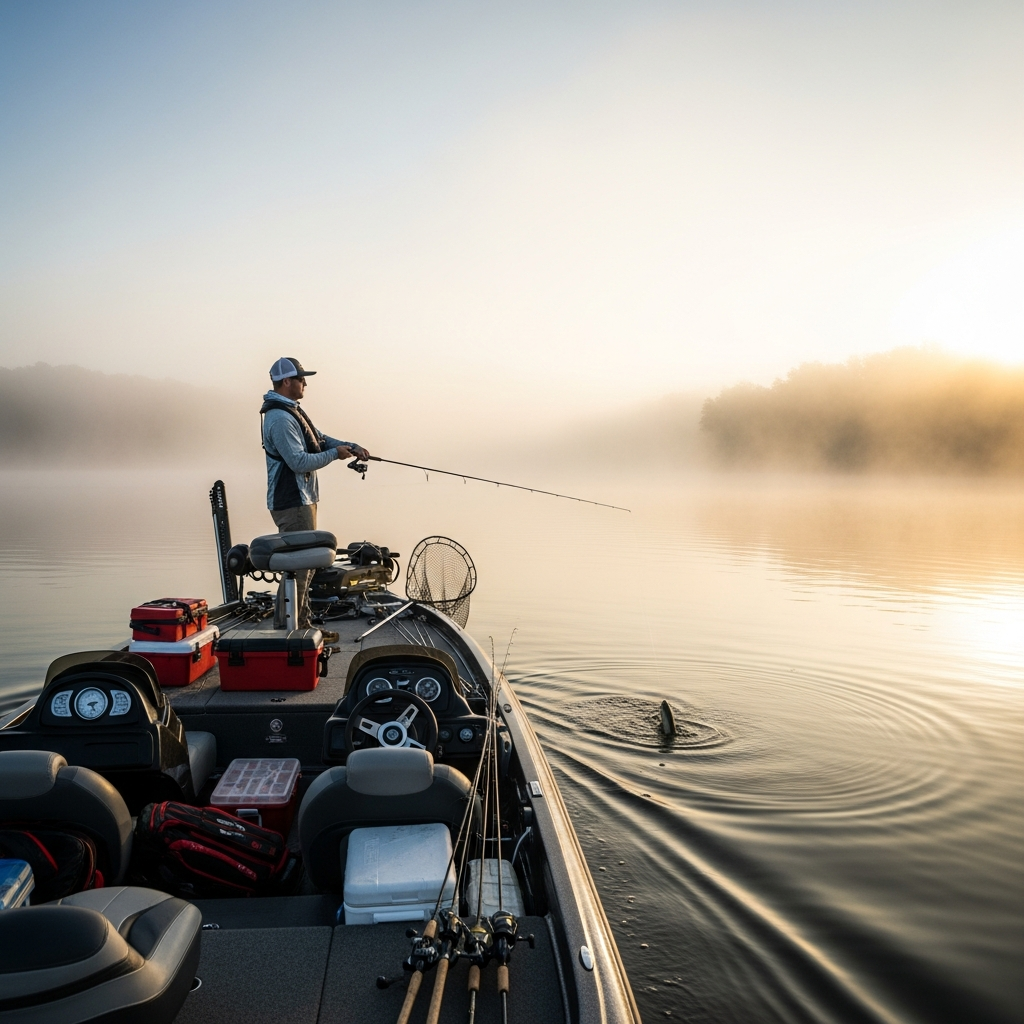
The key is solving transportation. You can’t drive two vehicles simultaneously. You need to get upstream, float down, and somehow retrieve the vehicle you left at the put-in. Every successful float trip answers this question before ever touching the water.
The Basic Shuttle Problem
Standard float trip logistics require two vehicles or one vehicle and a bicycle. Drive both vehicles to the take-out. Leave one there. Drive the other vehicle to the put-in. Launch and float downstream to where your first vehicle waits. Drive back upstream to retrieve the second vehicle.
This system works but doubles your drive time on both ends of the trip. A float that covers 10 river miles might only be 5 miles by road or 30 miles depending on how the river winds. Know the road distances before planning your day.
Shuttle Services Save Time
Popular float rivers support commercial shuttle services. Local outfitters, liveries, and individuals offer transportation from take-outs back to put-ins. Fees range from $20 to $50 depending on distance and location.
Finding shuttle services requires local knowledge. Ask at fly shops, bait stores, and river access parking lots. Guides who work the river know who runs shuttles. Facebook groups for specific rivers often have shuttle recommendations pinned or frequently discussed.
Book shuttle services in advance during peak season. A shuttle driver who’s busy can’t drop everything to drive you at the last minute. Having their number in your phone allows quick arrangement when plans come together unexpectedly.
Self-Shuttle Options
A folding bicycle changes the equation. Park at the take-out, bike upstream to the put-in, lock the bike to your vehicle, and float down. When you reach the take-out, your transportation awaits. Compact folding bikes fit in canoes, rafts, and truck beds.
Some anglers use motor scooters the same way. A small scooter covers ground faster than a bicycle and handles longer shuttles. Check local regulations about leaving vehicles at access points, as some prohibit overnight parking or have time limits.
Inflatable kayaks and pack rafts allow hiking to put-ins. Trails that parallel rivers provide foot access to launches without road access. Deflate the boat, hike back to your vehicle, and you’ve solved the shuttle problem without a second vehicle.
Planning Your Float
Know your river before launching. How fast does it flow? How many miles between access points? Where are the obstacles, rapids, or hazards? What’s the take-out look like, and will you recognize it from the water?
Float times vary dramatically based on conditions. A river running fast in spring might float twice as quickly as the same stretch in late summer. Plan for the actual conditions, not the guidebook estimate.
Build in extra time. Fishing slows you down. That’s the point. A float that takes four hours of constant paddling becomes an eight-hour trip when you stop to work every good hole. Better to arrive at the take-out early than run out of daylight downstream.
Critical Float Fishing Gear
Anchor systems allow you to hold position on productive water. River anchors grab rocky bottoms and release with a tug from downstream. Stake-out poles work in soft substrates. Some anglers use heavy chains that slide along the bottom without hanging up.
Dry bags protect gear from splashes and unexpected swims. Phones, cameras, and snacks stay dry inside. Some anglers bring full dry bags with emergency gear including fire starters and first aid supplies for remote floats.
Sun protection matters on all-day floats. Wide-brimmed hats, UV-blocking shirts, and quality sunscreen prevent the burns that ruin the next few days. The reflection off water doubles your UV exposure.
River Etiquette
Float fishing brings you past bank anglers, private property, and other boaters. Yield to those fishing. Don’t anchor in someone else’s run. Wave and pass through rather than setting up in water others are working.
Know the law regarding navigable waterways. In most states, you can float through private property as long as you stay in the water. The riverbed belongs to the public even when both banks are privately owned. This doesn’t mean you can exit and fish the banks, only that the water itself is public.
Building Float Skills
Start with short floats on familiar water. Learn how your boat handles, how fast you travel, and how to read water from a moving platform. Mistakes on a two-mile float are inconvenient. Mistakes on a 20-mile float can become emergencies.
Fish with experienced float anglers when possible. Watch how they position the boat, time their casts, and manage the drift. Float fishing skills transfer between rivers, but local knowledge about specific waters is invaluable.
The logistics get easier with practice. After a few successful floats, the shuttle becomes routine. What seemed complicated becomes simply part of the preparation. And the fishing rewards justify every bit of planning.

Stay in the loop
Get the latest freshwater fishing spots updates delivered to your inbox.