Devils River Fishing: A Real-World Guide from Someone Who’s Been There
Devils River fishing has gotten complicated with all the vague trip reports and copy-paste “guide” articles flying around. As someone who’s made the trek to this remote Texas waterway multiple times and caught bass in its crystal-clear waters, I learned everything there is to know about fishing one of the most pristine rivers in the state. It’s worth the effort — but you need to know what you’re getting into.
Location and Accessibility
Devils River flows through Val Verde County in southwest Texas, and “remote” doesn’t begin to describe it. Access is extremely limited. Much of the surrounding land is private, which means you can’t just drive up and start fishing wherever you want. The Texas Parks and Wildlife Department maintains a few public access points, but they’re often miles apart.
Probably should have led with this section, honestly. If you don’t plan ahead, you’ll end up staring at a locked gate wondering where you went wrong. Coordinate with TPWD, secure permits in advance, and be prepared for rough roads and limited infrastructure. Cell service is essentially nonexistent in most areas. This isn’t a casual day trip — it’s an expedition.
Fish Species in Devils River
The river supports a rich aquatic ecosystem despite its remote location. Bass is the headliner — smallmouth, largemouth, and spotted bass all thrive in the clear, spring-fed water. Guadalupe bass, a native species unique to Texas, is a special treat and a reason many anglers make the pilgrimage specifically.
That’s what makes Devils River endearing to us Texas bass anglers — it’s one of the few places where you can catch Guadalupe bass in pristine, untouched habitat. Catfish (channel and flathead) are plentiful too, along with various sunfish species. The diversity is impressive for a river this remote.
Fishing Techniques
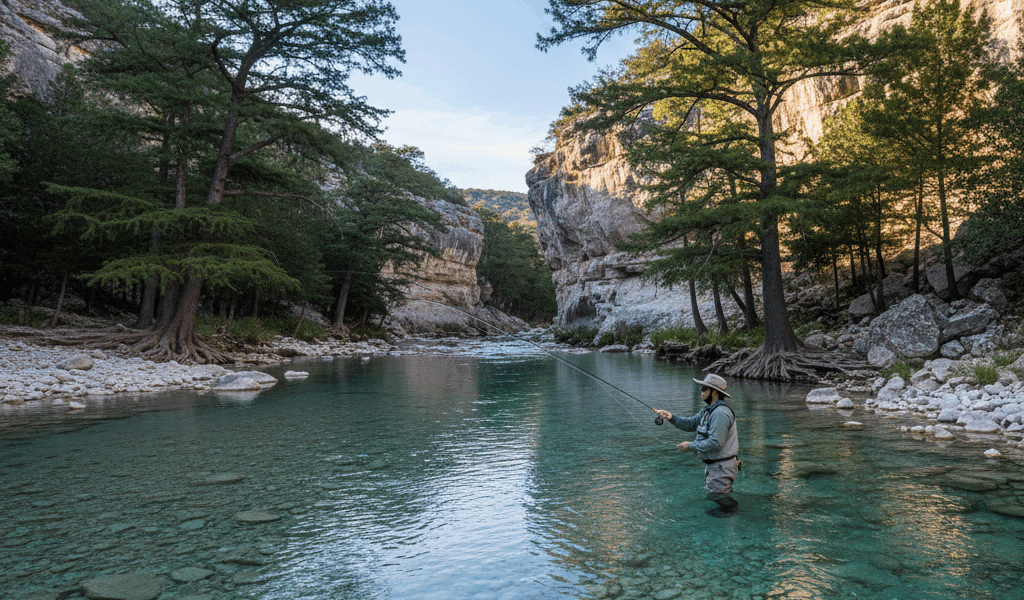
Fly fishing is outstanding here. The water clarity is exceptional, which makes sight-fishing possible and incredibly exciting. Streamers and poppers produce well for bass. A lightweight fly rod (4-6 weight) makes even modest-sized fish a blast to catch.
Conventional gear works great too. Spinning rods with soft plastics or small crankbaits in natural colors (crawfish and baitfish patterns) are productive. Match your lure to what’s actually in the river, and you’ll be rewarded. The clear water means fish can see your presentation from a distance, so finesse often outperforms power fishing here.
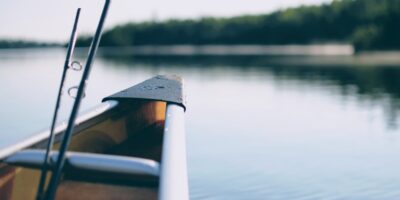
Bank fishing is possible but challenging given the rugged terrain. Most serious anglers fish from kayaks or canoes, which allow access to stretches of river that no one else can reach. Kayaking the Devils River is an experience in itself — limestone cliffs, clear water, minimal signs of human presence. It feels like fishing a hundred years ago.
Planning a Fishing Trip
Preparation is everything. Secure your permits through Texas Parks and Wildlife before you go. If you’re camping (and you probably should be, given the remoteness), follow strict leave-no-trace principles. Pack everything you need, including extra food, water, and emergency supplies. There’s nothing nearby if you run out.
Spring and fall offer the best fishing. Water temperatures are ideal, and fish are active. Summer can be brutally hot — plan for early morning or evening sessions if you go during June through August. Winter fishing is possible but requires patience and the right approach.
Challenges and Conservation
The remoteness that makes Devils River special also makes it challenging. Expect limited cell service, rough terrain, and potential encounters with wildlife (rattlesnakes are common). Pack a first aid kit and know how to use it. The river’s ecosystem is fragile, and it depends on anglers practicing responsible catch-and-release to maintain its fish populations.
Conservation isn’t just encouraged here — it’s essential. The Devils River is irreplaceable, and the fishing pressure it receives, while low compared to urban lakes, still has an impact. Support local conservation groups, follow all regulations, and leave the river cleaner than you found it.
Local Insights and Tips
Talk to local anglers if you get the chance. Every section of this river has quirks — water levels fluctuate, fish behavior shifts with conditions, and locals know spots and techniques that no guidebook covers. Be respectful of private property. The river winds through land owned by ranchers who’ve been there for generations. Building goodwill with the local community ensures continued access for future anglers.
Essential Gear and Supplies
- Rods and reels suited for bass and catfish — both spinning and fly setups if you have them
- Tackle box with a variety of lures and flies in natural colors
- Camping gear rated for multi-day trips in remote conditions
- Personal flotation devices and safety equipment for kayaking
- Sunscreen, hats, and plenty of hydration supplies
- Maps and GPS for navigation (don’t rely on cell-based navigation)
- First aid kit and emergency supplies including a satellite communicator
Beyond the Fishing
The Devils River corridor is stunning. Limestone cliffs, lush vegetation, crystal water, and some of the darkest night skies in Texas. Birdwatching opportunities are excellent. Hiking trails showcase the rugged beauty of this remote wilderness. Primitive camping under a canopy of stars with the river flowing nearby is the kind of experience that sticks with you permanently.
The Future of Devils River
As outdoor recreation grows in popularity, Devils River faces increasing pressure. Sustainable practices and responsible access are critical. Anglers, paddlers, and visitors need to collaborate in protecting this resource. Education for newcomers about the importance of conservation is ongoing and necessary. If we get this right, Devils River will remain a pristine fishing paradise for generations. If we don’t, we’ll lose something that can never be replaced.
Recommended Fishing Gear
Garmin GPSMAP 79s Marine GPS – $280.84
Rugged marine GPS handheld that floats in water.
Garmin inReach Mini 2 – $249.99
Compact satellite communicator for safety on the water.
As an Amazon Associate, we earn from qualifying purchases.