Updated January 2026 | Based on fishing 12 different tailwaters across 6 states
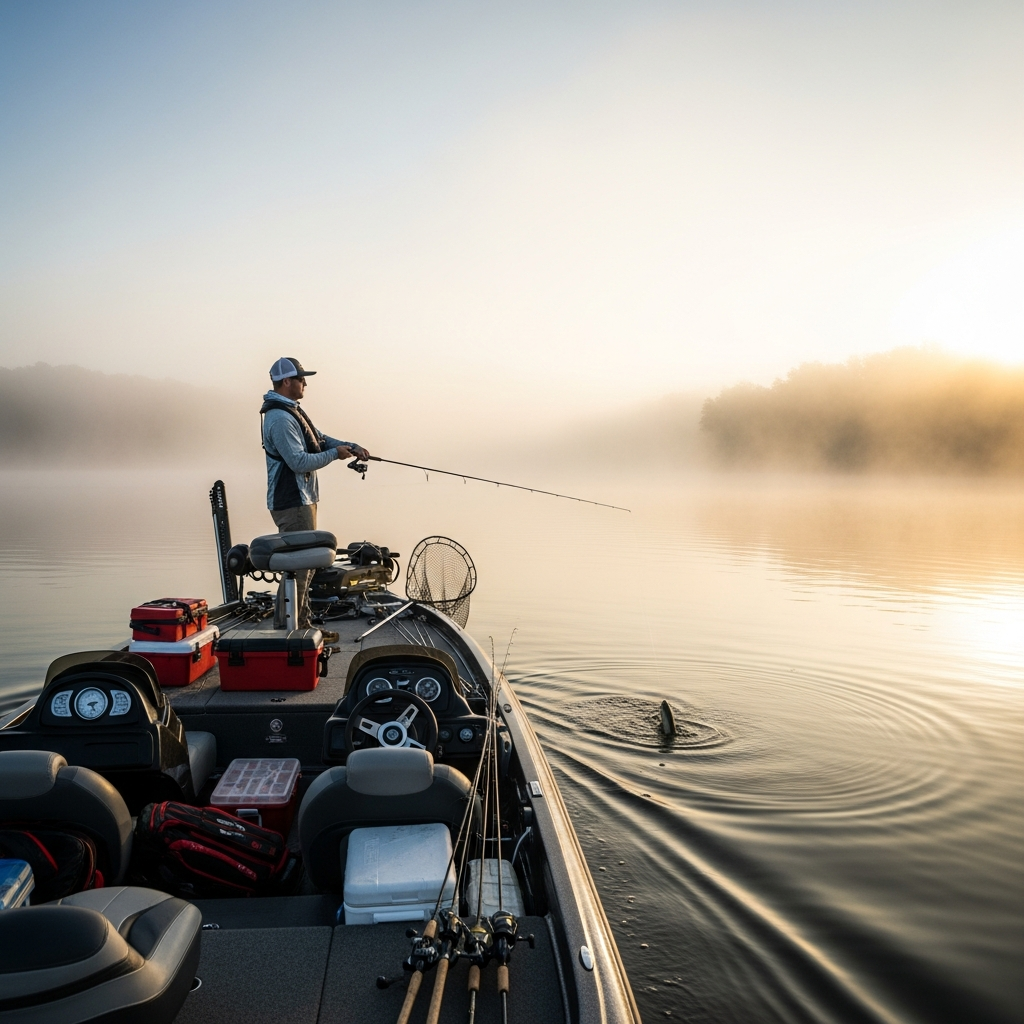
Best Tailwater Experience: Below Beaver Dam on the White River, Arkansas – May 2024. Water was releasing at 4 generators, striper run was on. Landed a 28-lb striper on a white bucktail jig. Coordinates: 36.4694N, 93.3364W. Best fishing is March through May when stripers chase shad.
The concrete walls of hydroelectric dams do something remarkable for fishermen. They create current in otherwise still reservoirs, concentrate baitfish in predictable locations, and maintain water temperatures that gamefish love. The tailwaters below major dams produce some of the largest fish caught in freshwater every single year.
Tailwater fishing isn’t a secret to serious anglers, but the specifics of why dam fishing works so well remain poorly understood. Once you grasp the mechanics, finding productive water becomes almost formulaic.
Why Tailwaters Produce Big Fish
Dams release water from deep in the reservoir where temperatures stay cool even in summer. This cold, oxygen-rich discharge creates trout habitat hundreds of miles south of where wild trout could otherwise survive. The White River in Arkansas, the San Juan in New Mexico, and the Guadalupe in Texas all owe their trout fisheries entirely to dam releases.
For warmwater species, dam discharge churns up baitfish and creates feeding lanes where predators ambush stunned prey. The turbines themselves don’t harm large fish but devastate shad populations, creating an easy meal for stripers, catfish, and walleye waiting below.
Current also concentrates fish. Unlike open water where gamefish can roam anywhere, tailwaters funnel everything into a defined area. Fish stack up in eddies, seams, and slack water along the discharge channel.
Reading Tailwater Structure
The first hundred yards below a dam see the heaviest pressure. Fish here quickly become educated and difficult to catch. But they’re still there, and anglers who fish dawn or dusk when boats thin out can find success.
Look for the first major break downstream. Where current slows and depth changes, fish hold and feed. These transition zones might be half a mile or several miles below the dam depending on the river’s gradient. Less pressure and more natural holding water make these spots worth the extra effort to reach.
Rip-rap banks along the discharge channel provide ambush points. Fish tuck against the rocks out of the main flow and dart into current to grab passing food. Work these edges with jigs, crankbaits, or streamers depending on your target species.
Generation Schedules Matter
Hydroelectric dams release water based on power demand, not fishing conditions. Learning the generation schedule for your local dam changes everything about your success rate. Most power companies publish schedules online or provide phone hotlines with current flow information.
Trout fishing often peaks just before or just after generation starts. The pulse of fresh water triggers feeding activity. Once flows stabilize at high volume, fishing can slow until release stops and levels drop.
Striped bass and catfish often feed heavily during peak generation when shad get churned through turbines. The feeding frenzy that follows a generation pulse can produce fast action for anglers positioned correctly.
Safety Considerations
Tailwater fishing carries real risks. Water levels can rise several feet in minutes when generation begins. Wading anglers have drowned when unexpected releases trapped them on gravel bars. Always have an escape route planned and watch for warning sirens that signal generation is starting.
Boat anglers face similar challenges. Rising water increases current speed dramatically. Anchoring in the main channel during generation can swamp a boat quickly. Fish the edges during high water and save the prime spots for low-flow periods.
Top Tailwater Destinations
The White River below Bull Shoals Dam produces brown trout over 30 pounds. The Norfork tailwater nearby rivals it for trophy potential. These Arkansas waters draw anglers from across the country for good reason.
The San Juan River below Navajo Dam in New Mexico offers some of the most consistent trout fishing in the Southwest. Fish counts exceeding 15,000 trout per mile aren’t unusual in the quality water section.
For striped bass, the tailwaters below Texoma Dam on the Red River, Keystone Dam in Oklahoma, and Wheeler Dam in Alabama produce giants every year. The world record striped bass came from tailwater fishing.
Catfish anglers should explore the tailwaters of the Ohio River dams, the Cumberland River system, and the Missouri River dams. Blue catfish over 100 pounds come from these waters annually.
Making the Most of Dam Fishing
Arrive early before other anglers claim the best spots. Bring multiple rod setups to adapt to changing conditions. Check generation schedules and plan your trip around optimal flow periods.
The best fishing in America often happens in the shadow of man-made structures that most people see only as they drive across. The fish below those dams don’t care about the scenery. They care about the cold water, the concentrated food, and the current that makes tailwaters among the most productive fisheries anywhere.



Stay in the loop
Get the latest freshwater fishing spots updates delivered to your inbox.