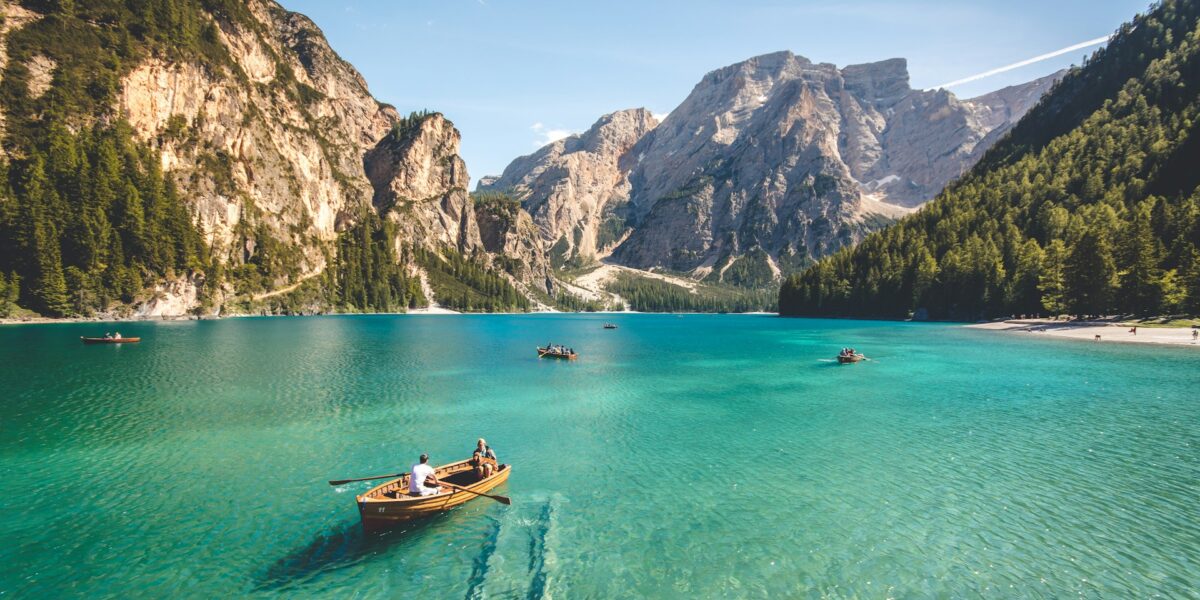
Remote lakes exist beyond the reach of trailers and outboard motors. They sit at the end of portage trails, down rough forest roads, and scattered throughout wilderness areas where the only way in involves paddling. For anglers willing to carry a canoe, these waters offer fishing that motorized crowds never experience.
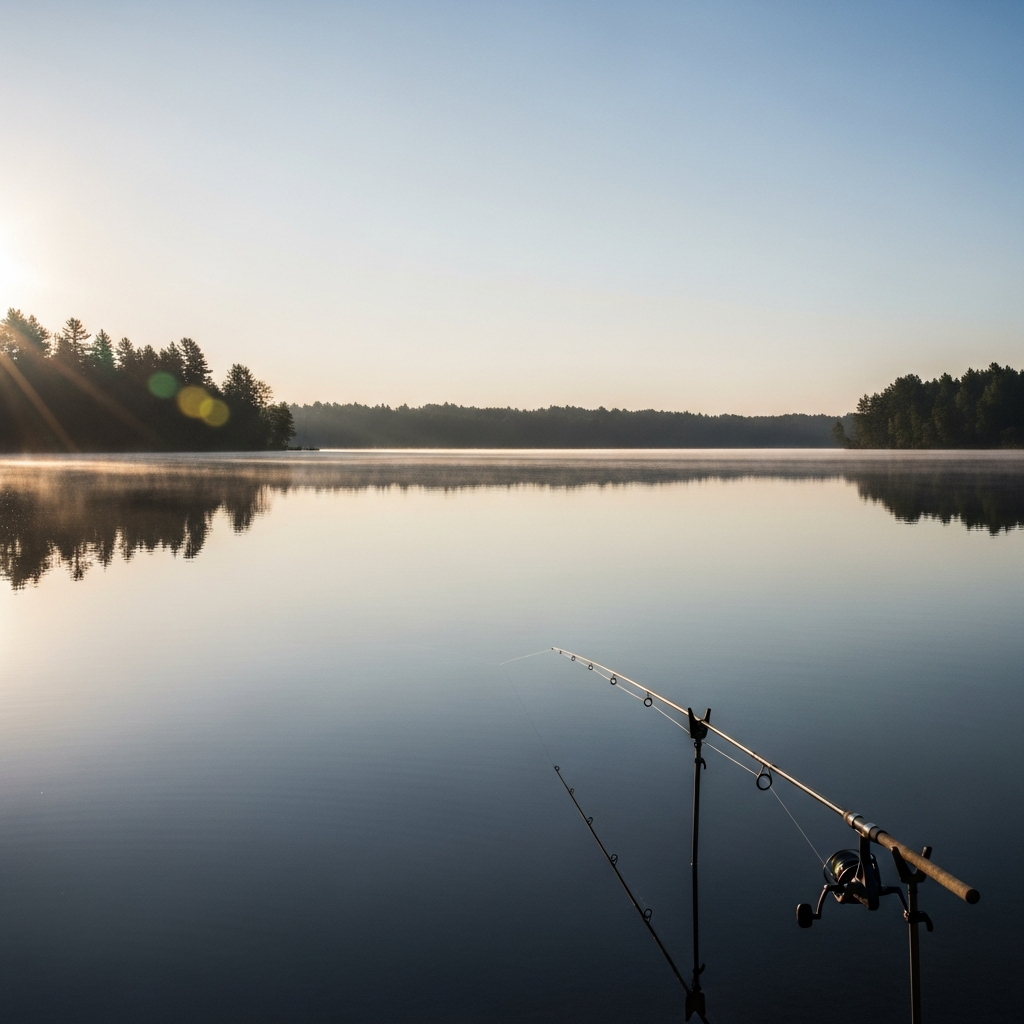
The effort filters out casual visitors. Every lake with a boat ramp sees pressure proportional to how easy it is to reach. Take away the ramp, add a mile portage, and suddenly you’re sharing water with a handful of dedicated anglers instead of a fleet of bass boats.
Why Motor Restrictions Matter
Fish behavior changes under pressure. Bass in heavily trafficked lakes become conditioned to boat noise and shadows. They feed at night when boats are gone. They hold tight to cover during daytime hours. The fish are there, but they’ve adapted to constant disturbance.
Fish in walk-in lakes act differently. They cruise shallow flats in daylight. They rise freely to surface disturbances. They haven’t learned to associate shadows and vibrations with danger. This naivety translates to aggressive strikes and confident takes.
Size benefits too. Without easy harvest, fish live longer and grow larger. Trophy bass lakes often have motor restrictions specifically to protect the quality of the fishery. Reduced pressure lets fish reach their genetic potential.
Finding No-Motor Lakes
Wilderness areas prohibit motorized use by definition. The Boundary Waters Canoe Area Wilderness in Minnesota contains over a thousand lakes, all accessible only by paddle and portage. Similar wilderness designations throughout the country protect paddling-only waters.
National forest lakes without road access often prohibit motors even outside wilderness boundaries. Check forest service maps for bodies of water shown without adjacent roads. These frequently have motor restrictions or are simply too small and shallow for anything but canoes.
State regulations vary. Some states limit horsepower on small lakes. Others designate specific waters as paddle-only. Your state’s fishing regulations booklet should identify motor restrictions by water body. Online databases make searching easier.
The Portage Reality
Portaging separates canoe anglers from kayak anglers and wade fishermen. It’s hard work. A 75-pound canoe plus gear over uneven terrain tests your fitness and determination. But every step of that portage represents one more reason why the lake stays unpressured.
Portage yokes distribute weight to your shoulders rather than your arms. Padded models make mile-long carries tolerable. Some ultralight canoes weigh under 40 pounds, dramatically changing what’s possible. Serious portage anglers invest in light boats.
Multiple trips become necessary when fishing gear exceeds what fits in one load. Experienced portagers develop systems that minimize trips without overloading. Planning what gear actually matters for the trip prevents carrying unnecessary weight.
Canoe Fishing Advantages
Canoes fish differently than kayaks. The open hull provides space for tackle, coolers, and casting room. Standing to fish becomes possible in stable designs. Partners can fish simultaneously from bow and stern.
Silence is the canoe’s greatest advantage. Paddle strokes don’t splash like kayak paddles. The hull slides over water without slapping waves. You can approach fish without alerting them to your presence.
Canoes handle wind better than kayaks for most anglers. The higher sides catch wind when empty but provide stability when loaded. A properly trimmed canoe tracks straight without constant correction.
What to Target
Remote lakes often hold different species than developed waters. Brook trout survive in northern lakes where fishing pressure would otherwise eliminate them. Smallmouth bass populations maintain strong genetics in low-harvest environments. Native species persist where introduced fish haven’t been stocked.
Expect smaller average sizes in nutrient-poor wilderness lakes. Cold, clear water doesn’t produce the biomass that warm, fertile reservoirs generate. What you gain in quality and isolation you may sacrifice in maximum fish size.
Some remote lakes surprise with genuine trophies. Lakes that once held fishing camps or received past stocking can produce fish that grew undisturbed for decades. Local knowledge about such waters is worth pursuing.
Planning Remote Lake Trips
Day trips work for lakes with short portages. Pack light and fish hard during available hours. Save overnight expeditions for waters that require multi-mile approaches.
Overnight trips require permit systems in most wilderness areas. Reserve early for popular destinations. Off-season trips between fall and spring often have available permits when summer is booked solid.
Weather becomes serious on remote water. No one is coming to help if storms roll in. Check forecasts, bring rain gear, and know when to get off the water. The fishing isn’t worth risking your life.
Leave No Trace
Remote lakes stay pristine because users keep them that way. Pack out all trash including fishing line and bait containers. Use established campsites and fire grates where they exist. Bury human waste properly and far from water.
Handle fish carefully and consider releasing everything. These populations recover slowly from overharvest. A limit of fish that would be sustainable on a stocked reservoir could damage a remote wild fishery for years.
The Reward of Effort
Paddling across a lake you portaged to reach feels different than motoring across a reservoir. The silence, the solitude, and the knowledge that you earned your access changes the experience fundamentally. The fishing is often better. But even when it isn’t, the trip was worth the effort.


Stay in the loop
Get the latest freshwater fishing spots updates delivered to your inbox.