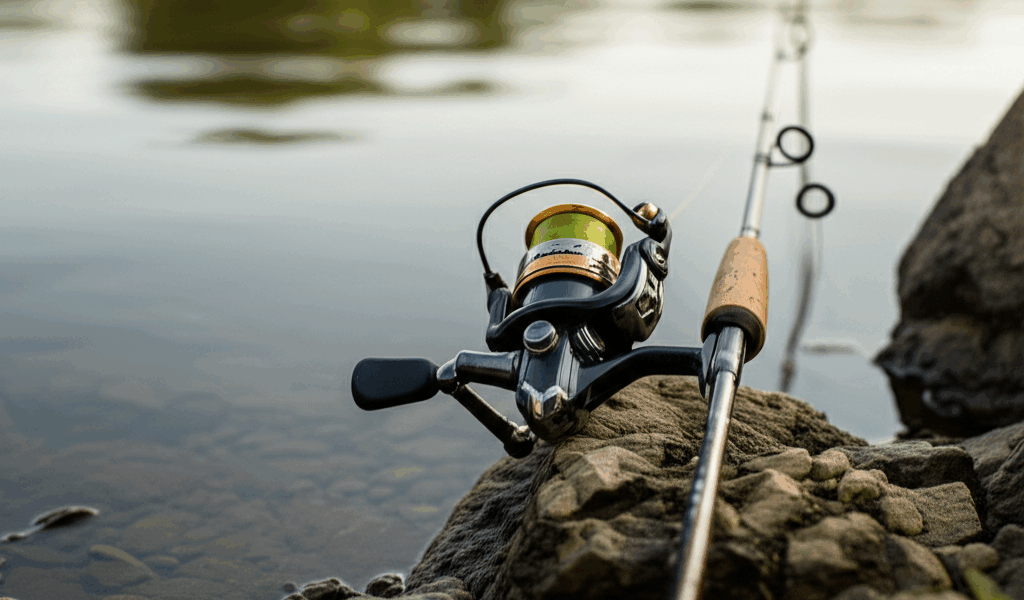
Fishing near home has gotten complicated with all the destination-fishing content and “you need a boat” messaging flying around. As someone who catches fish within walking distance of my house at least twice a week, I learned everything there is to know about finding and fishing urban water that nobody else bothers with. The best fishing doesn’t always require a long drive. Within walking distance of where you sleep tonight, there’s probably water that holds fish — urban ponds, neighborhood creeks, park lakes, and stormwater basins all provide opportunities for anglers who know how to find them.
Walking-distance fishing eliminates every excuse. No time to drive two hours? Fish the pond a mile from your house. No boat? Wade the creek behind the shopping center. No money for gas? Grab a rod and walk out your front door. I fish more now than I ever did when I thought “real fishing” meant loading up the truck for a weekend trip.
Urban Ponds That Actually Produce
Retention ponds designed for stormwater management often hold surprising fish populations. Developers stock bass and bluegill to control mosquitoes. Those fish reproduce and grow without the pressure that public waters receive. Some of the biggest bass I’ve caught in my life came from a retention pond behind a grocery store. Nobody fishes it. The fish are uneducated and aggressive.
Golf course ponds are another overlooked resource. Many courses allow fishing during off-peak hours or on specific days. That’s what makes golf course ponds endearing to us urban anglers — the fertilizer that keeps greens lush also grows weed beds and insect populations that bass thrive on. Course management staff can tell you whether fishing is permitted and when.
Municipal parks frequently maintain stocked ponds specifically designed for fishing. These receive regular trout plants in spring and fall, bass and catfish stockings through summer. City recreation departments publish stocking schedules — these are free fish, put there specifically for you to catch. Check your city’s website.
Finding Accessible Creeks
Even degraded urban creeks hold fish. Sunfish, bass, and catfish survive in water that looks unfishable to most people. Where a culvert creates a pool, where a bridge provides shade, where fallen trees create structure — fish establish territories and feed in these micro-habitats throughout the year.
Public rights-of-way along waterways provide legal access in most jurisdictions. Greenway trails often follow creek corridors, passing through publicly accessible fishing water that receives virtually zero pressure. I have a two-mile stretch of greenway creek near my house that I’ve fished for three years without ever seeing another angler.
Probably should have led with this section, honestly. Check water quality before keeping fish from urban creeks. Many are perfectly safe for catch-and-release but carry consumption advisories due to industrial contamination or stormwater pollution. Your state’s environmental agency publishes advisories by water body — look them up.
Walking Distance, For Real
Map every body of water within two miles of your home. Most people would be genuinely surprised how many potential fishing spots exist nearby. That decorative pond at the apartment complex? Probably holds fish. The creek behind the high school? Almost certainly does. The stormwater basin at the edge of the subdivision? I’ve pulled 3-pound bass out of one of those.
Satellite imagery reveals waters hidden from street level. Ponds tucked behind neighborhoods, streams threading through industrial parks, forgotten impoundments behind shopping centers — they all show clearly from above. Spend twenty minutes with Google Earth before putting on your walking shoes.
Talk to neighbors who fish. Every neighborhood has someone who knows where the local fish live. They’ve already scouted the access points, know which ponds produce, and understand the seasonal patterns. Buy them a coffee and ask questions. Local knowledge compounds over decades, and most people are happy to share.
Tackle for Walking
Pack light when you’re fishing on foot. A telescoping rod fits in a backpack or even a cargo pocket. A small utility box holds enough tackle for any urban situation you’ll encounter. Leave the tackle bag at home and bring only what fits in your pockets.
Versatile lures reduce what you need to carry. A 1/4 ounce spinnerbait catches bass, panfish, and the occasional catfish. Plastic worms rigged weedless work in any cover. Small jigs with soft plastic trailers handle everything else. Three lure types cover ninety percent of urban fishing scenarios.
Bait fishing requires even less gear diversity. A container of worms and a handful of hooks handles most situations. Live bait catches more species more consistently than artificial lures in pressured urban waters. When in doubt, thread on a worm.
Timing Urban Fishing
Dawn and dusk produce on urban water just like wilderness water. But here’s the secret: reduced foot traffic during workday hours creates additional windows. That lunch break fishing session at the office park pond might outproduce Saturday mornings when joggers and dog walkers are everywhere. I’ve caught fish at noon on Tuesday that I couldn’t buy a bite from on Sunday morning.
Seasonal patterns apply to urban fish exactly like they do everywhere else. Spring spawning pushes bass shallow. Summer heat drives fish deep or toward shade structures and aerated areas. Fall feeding binges occur even in decorative ponds. Winter slows everything down but doesn’t stop it completely.
Weather fronts affect urban fish behavior the same as any other fish. Barometric pressure changes trigger feeding activity. Post-front bluebird days shut down the bite everywhere, including the pond at the end of your street. Plan your walking trips around weather patterns for best results.
Being a Good Neighbor
Urban fishing happens in shared spaces, and your behavior matters. Clean up after yourself and pick up any trash you find — even stuff you didn’t leave. Don’t leave line, hooks, or bait containers behind. Every piece of litter left by an angler makes it more likely that a property owner or HOA will close access for everyone.
Respect private property even when it borders good water. Ask permission before crossing lawns or parking in private lots. One angry property owner can shut down access that served anglers for years. A polite request goes a long way.
Be courteous to non-anglers sharing the space. Dog walkers, runners, and families using parks have equal right to be there. A friendly demeanor and willingness to chat about what you’re catching converts neutral observers into people who support fishing access in their community.
Why Walking-Distance Fishing Matters
Not everyone has time, money, or transportation for destination fishing trips. Urban waters provide access for anglers who might otherwise have none. Kids who catch their first fish from a neighborhood pond become lifelong anglers — and lifelong conservationists.
Regular access builds skills faster than occasional trips to famous water. Fishing the same pond weekly teaches more about fish behavior, seasonal patterns, and technique than a handful of trips to legendary destinations. Local knowledge compounds over time in ways that occasional visits never can.
Sometimes the best fishing is just the fishing you actually do. A mediocre pond you fish every week beats a legendary river you visit once a year. Walk out your door, wet a line, and catch something. That’s the whole point.

Stay in the loop
Get the latest freshwater fishing spots updates delivered to your inbox.