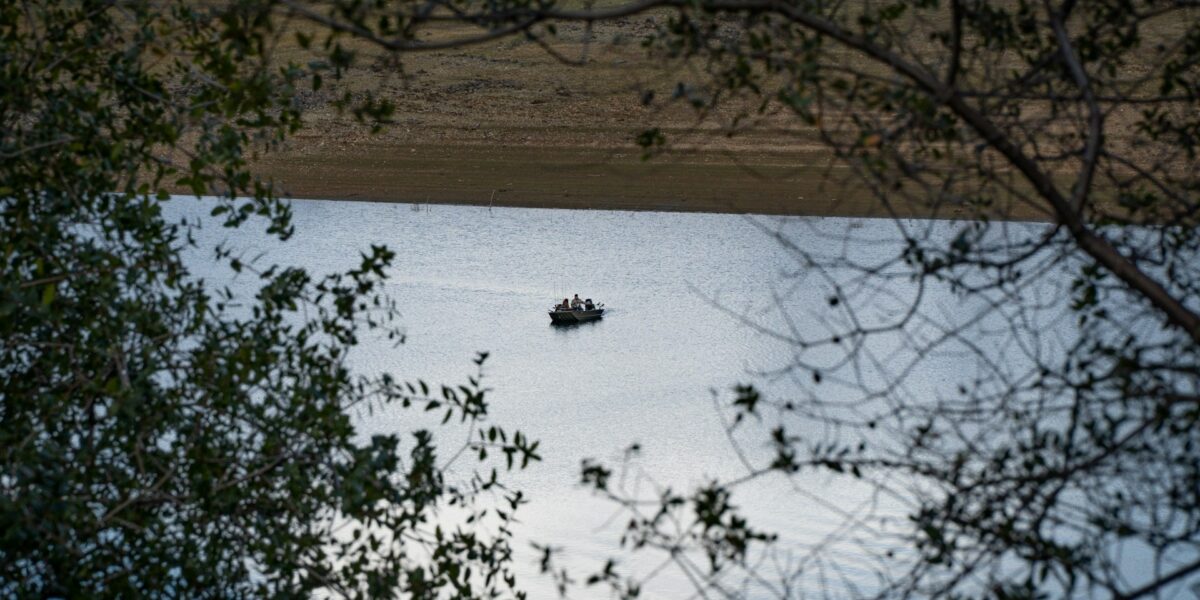
I’ve watched guys with $500 fish finders blank while old Gary from the bait shop limits out twenty feet away. Happens more than you’d think. Your electronics show nothing, your mapping app indicates featureless bottom, your research said this spot should be dead water. Yet there’s Gary, filling his cooler like he knows something you don’t.
He does. As someone who spent years figuring this out the hard way, I learned everything there is to know about why bait shop intel beats technology. The information locals carry didn’t come from satellites or algorithms—it came from decades of observation, conversation, and trial and error. This knowledge transfers through relationships, not downloads.
What Locals Actually Know
Contour maps show structure but not how fish use it. A point extending into deep water might hold fish or might be barren. The difference often depends on subtle factors—bottom composition, nearby timber, how current hits the feature during certain conditions. Locals have fished that point dozens of times and know when it produces.
Stocking locations matter more than stocking numbers. State agencies publish how many fish went into a lake but not exactly where the truck backed down. The difference between the main ramp and the DNR access road can concentrate fish in completely different areas for months.
Water level patterns affect fishing in ways that elevation numbers don’t capture. A lake might fish great at 520 feet but poorly at 525 because of how specific flats flood or drain. Someone who’s fished through multiple cycles understands these relationships intuitively.
Building Bait Shop Relationships
Information flows to regulars, not one-time visitors. Become one. Buy your bait, tackle, and licenses at the same place consistently. Ask questions but also share what you’ve learned. The exchange works both directions.
Timing matters. Saturday morning when the shop is packed isn’t the time for detailed discussions. Slow weekday afternoons when the owner has time yield the best intel. Bring coffee. Don’t be in a hurry.
Probably should have led with this: respect the knowledge you receive. If someone tells you about their spot, don’t post it on social media or bring crowds the next weekend. Trust builds over years and destroys in minutes.
The Coffee Counter Intelligence Network
Most bait shops have a gathering spot where regulars congregate—a literal coffee pot and counter or just a parking lot where trucks idle during fishing report exchanges. These informal networks distribute information more efficiently than any app.
Listen more than you talk when you’re new. Observe who knows what. Notice whose reports prove accurate versus who tends toward exaggeration. Every network has reliable sources and blowhards. Learn to distinguish them.
Contribute verified info to build credibility. When you catch fish, report where and how. Honest reporting over time earns access to information others keep private. The currency of local fishing networks is reliable data.
What Technology Misses
Satellite imagery shows water but not what’s under it. The brush pile that holds crappie doesn’t appear on Google Earth. The spring seep that creates a thermal refuge doesn’t show on any map. The spot where the old roadbed crosses a creek channel exists only in local memory and yellowed county records.
Fish finder technology improves constantly but still can’t tell you what worked yesterday. Electronics show what’s present right now on a tiny piece of water below your boat. Local knowledge tells you what produces across the entire lake throughout the season.
Online fishing reports lag reality by days or weeks and aggregate information from anglers of wildly varying skill. A report saying “fishing is slow” might mean a beginner caught nothing or an expert had an off day. Local sources provide context numbers can’t convey.
Seasonal Secrets
Locals know when specific hatches happen, when baitfish schools move, when seemingly random feeding frenzies become predictable. The week in May when white bass run the creek. The first hard frost that triggers crappie to stack on deep brush. Summer conditions that push fish to specific night feeding areas.
These patterns repeat annually but vary enough that calendar dates don’t capture them. Water temperature, moon phase, and weather combine differently each year. Someone who’s watched for decades understands the variables that trigger specific behaviors.
Access windows open and close based on local conditions. The farmer who lets people fish his pond during certain months. The marina allowing shore fishing before season starts. The road that’s passable only after drought drops water levels. This information doesn’t appear on any website.
The Human Element
That’s what makes local knowledge enduring for us fishermen—it’s inherently social even when practiced in solitude. The knowledge that makes someone consistently successful comes largely from other anglers. Books, videos, and technology supplement but don’t replace information that passes between people who share water.
Bait shop owners survive by creating value beyond worms and hooks. The information they provide and connections they facilitate make local shops irreplaceable for serious anglers.
Supporting these businesses isn’t nostalgia for a pre-Amazon era. It’s a practical investment in knowledge unavailable through any other channel. The next tip that puts you on fish might come from the guy behind the counter who watched the lake change over forty years.
Earning Local Knowledge
The best fishing information isn’t for sale. It’s earned through relationships, demonstrated respect, and patient participation in fishing communities. GPS coordinates shared freely often lead to pressured fish in degraded spots. Information earned through trust leads to experiences screens can’t deliver.
Put down the phone. Walk into the bait shop. Ask how they’re biting. Be prepared for that answer to matter more than anything your technology could tell you.

Stay in the loop
Get the latest freshwater fishing spots updates delivered to your inbox.