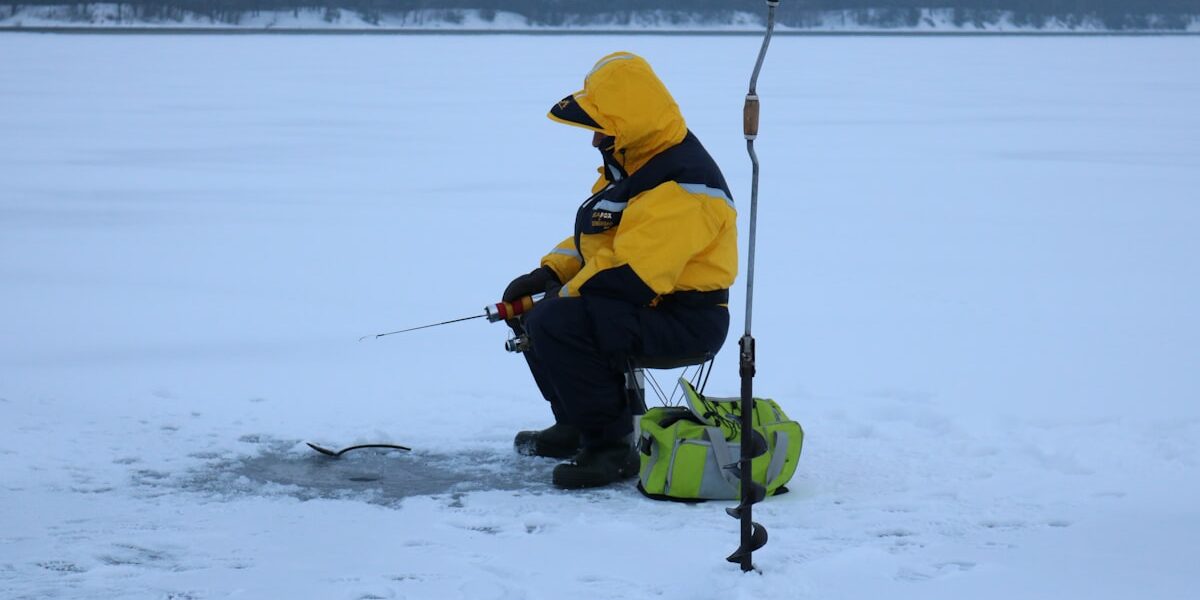
Ice fishing opens an entire season that open-water anglers miss. From first ice in late fall through last ice in spring, frozen lakes provide access to fish that remain active beneath the surface. But not every lake welcomes walk-on ice anglers, and the permit requirements vary more than most people realize.
Some lakes allow free public access the moment ice gets thick enough to walk. Others require permits, vehicle registrations, or lake-specific authorizations. A few prohibit ice fishing entirely. Knowing where you can legally fish prevents citations and supports the management systems that keep fisheries healthy.
Public Waters and Walk-On Rights
Most public lakes allow ice fishing under the same license that covers open-water fishing. If you can fish it in summer, you can generally fish it through the ice in winter. This includes state-managed lakes, county impoundments, and federal waters.
Access is the more complicated question. Can you reach the ice? Public boat ramps become ice access points in winter, but parking lots may not be plowed. Shore access that works in summer might be blocked by snowdrifts or closed park gates.
Walk-on access requires safe ice. Eight inches of clear ice typically supports ATV and snowmobile traffic. Four inches supports foot traffic. These are guidelines, not guarantees. Ice thickness varies across lakes based on springs, current, and snow cover.
State Park Ice Fishing Permits
State parks sometimes require separate permits for ice fishing even when summer fishing needs no special authorization. These permits may be free or charge nominal fees, but fishing without them violates park regulations.
Minnesota’s state parks require either daily or annual permits for ice fishing and other winter activities. Wisconsin charges for trail passes that apply to ice fishing access. Check your state’s specific requirements before assuming your fishing license covers everything.
Some state parks close sections of lakes during winter for wildlife management or safety concerns. Eagles nesting near shorelines, thin ice areas, and sensitive habitat all trigger closures. Posted restrictions must be obeyed even if the ice looks fishable.
Municipal and Private Lake Rules
City-owned reservoirs often prohibit ice fishing entirely. The liability concerns and water quality protections that restrict summer activities apply equally to winter use. Don’t assume urban lakes allow ice fishing without checking specifically.
Homeowner association lakes almost always require membership or guest authorization. The private property status doesn’t change because the water froze. Trespassing on private ice carries the same penalties as trespassing on private land.
Community fishing lakes may or may not permit ice fishing depending on management goals. Some close during winter to protect stocked fish. Others stay open year-round with standard regulations.
Vehicle Access Permits
Driving on frozen lakes requires additional permits in some states. These vehicle access authorizations go beyond fishing licenses to address liability, rescue costs, and resource protection.
Minnesota requires motor vehicle registration for ice fishing shelters, and some lakes restrict vehicle access to protect thin ice areas. Wisconsin’s laws vary by county and water body. States without major ice fishing traditions often have no vehicle framework at all.
Organized ice fishing shelters and permanent houses may need permits beyond what walk-on anglers require. Leaving structures on ice overnight, connecting utilities, or establishing semi-permanent positions all trigger additional requirements in many jurisdictions.
Reservation and Trophy Waters
Native American reservation waters may or may not allow non-tribal ice fishing. Some reservations sell permits to non-members. Others restrict access entirely. Tribal regulations supersede state fishing laws on reservation land.
Special regulation lakes often maintain their restrictions through ice fishing season. Slot limits, catch-and-release requirements, and tackle restrictions apply under the ice just as they do in open water. Don’t assume winter fishing gets a pass from summer rules.
Finding Legal Ice Fishing Locations
State fish and game websites list waters open to ice fishing along with any special permit requirements. Cross-reference this information with access point locations and winter road maintenance to plan fishable trips.
Local bait shops know which lakes are fishing and which aren’t worth the drive. Ice conditions change weekly through the season. Current information from people on the ice beats any research you can do online.
Ice fishing clubs and online forums share access information among members. Local knowledge about which lakes require permits, which plowed parking areas, and which produce best during specific weeks proves invaluable.
Essential Ice Fishing Safety
Ice thickness must be measured, not assumed. Carry ice picks to test as you walk. Turn back immediately if thickness measures less than four inches. No fish is worth drowning.
Tell someone your planned location and expected return time. Carry a fully charged phone in an inside pocket where body heat prevents battery failure. Ice emergencies can develop quickly and response times in remote areas extend far beyond summer norms.
Fish with partners when possible. A second person provides backup if someone breaks through and can go for help if necessary. Solo ice fishing in remote locations adds unnecessary risk to an already dangerous activity.
The Winter Season
Ice fishing transforms the off-season into additional fishing months. Walleye, pike, panfish, and trout remain active and catchable throughout winter for anglers who understand the permit requirements and safety protocols.
The cold demands preparation. The regulations demand attention. But the fishing rewards those who put in the effort to do it right.

Stay in the loop
Get the latest freshwater fishing spots updates delivered to your inbox.