Ice Shanties in Massachusetts: A Guide from Someone Who’s Fished Through the Ice
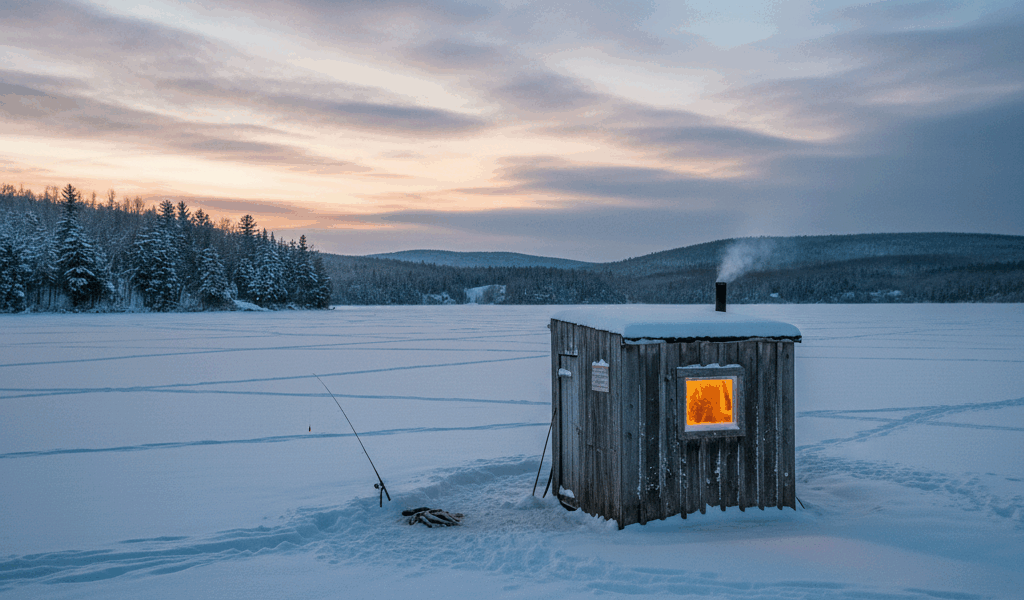
Ice shanties in Massachusetts has gotten complicated with all the regulations, new designs, and conflicting advice flying around. As someone who’s spent countless winter mornings setting up on frozen Massachusetts lakes, I learned everything there is to know about these essential structures and the tradition they represent. If you’re thinking about ice fishing in the Bay State, you need to understand the shanty culture.
The History of Ice Shanties
Ice fishing in Massachusetts goes back centuries. Native Americans fished through the ice for sustenance long before European settlers arrived. Those settlers adopted and adapted the techniques, and over the following centuries, the shelters evolved from simple windbreaks made of whatever was available into the purpose-built structures we use today. I love this history because it connects modern ice anglers to a tradition that’s genuinely ancient. Every time I set up my shanty, I’m doing something people have done on these same lakes for hundreds of years.
Design and Structure
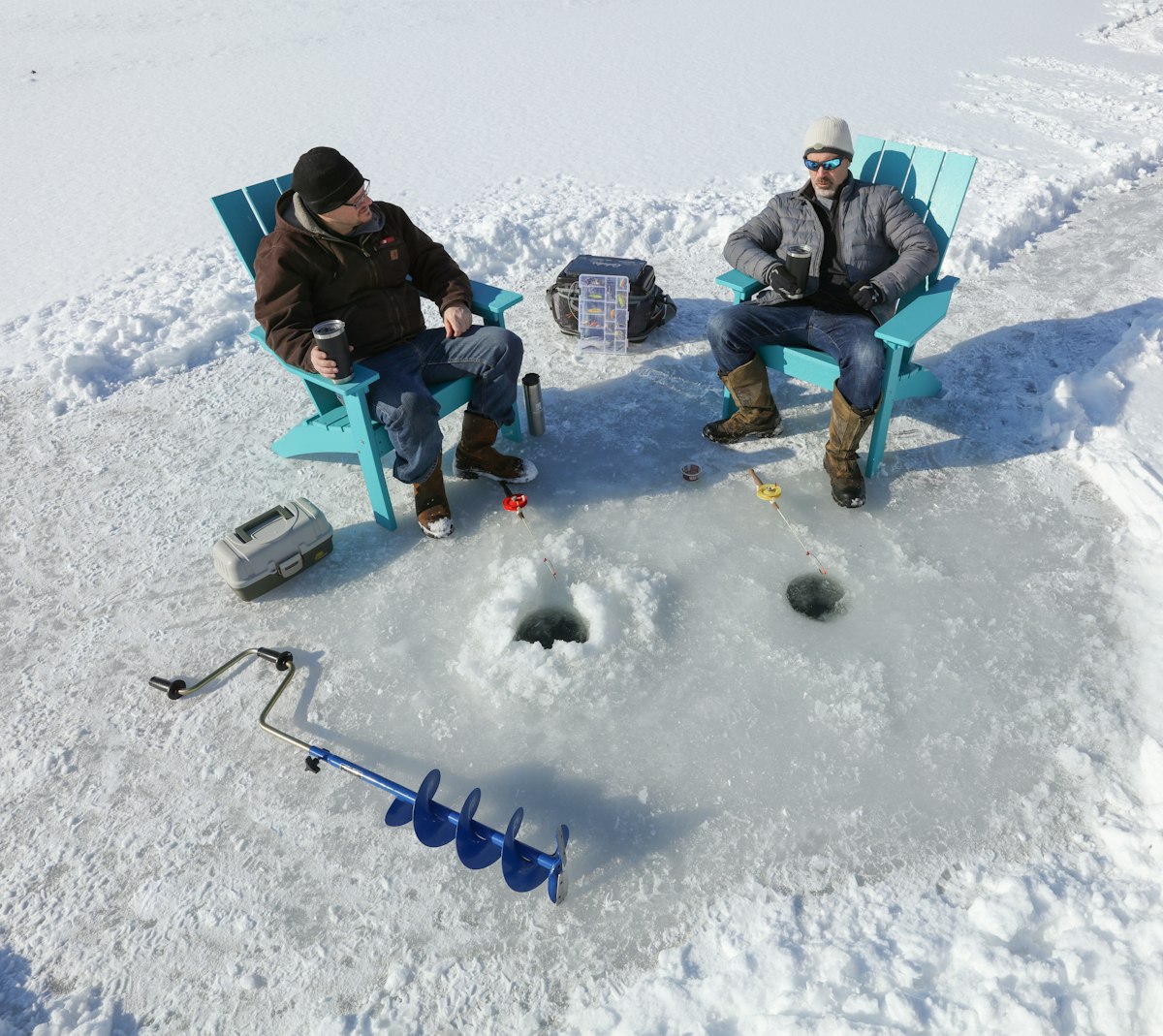
Modern ice shanties range from bare-bones to borderline luxurious. The basic version is a lightweight structure — plywood or aluminum frame with a wind-blocking shell, a chair inside, and a hole in the floor for your line. That’s all you technically need.
But “need” and “want” are different things. More elaborate shanties feature insulated walls, propane heaters, cooking stoves, cushioned seating, and even battery-powered electronics. Some are collapsible pop-ups you can set up in five minutes. Others are permanent structures on skis that get towed across the ice with an ATV. I currently use a hub-style pop-up that’s warm enough for sub-zero days and light enough that I can set it up solo. It’s changed my ice fishing from “endurance test” to “genuinely comfortable.”
Cultural Significance
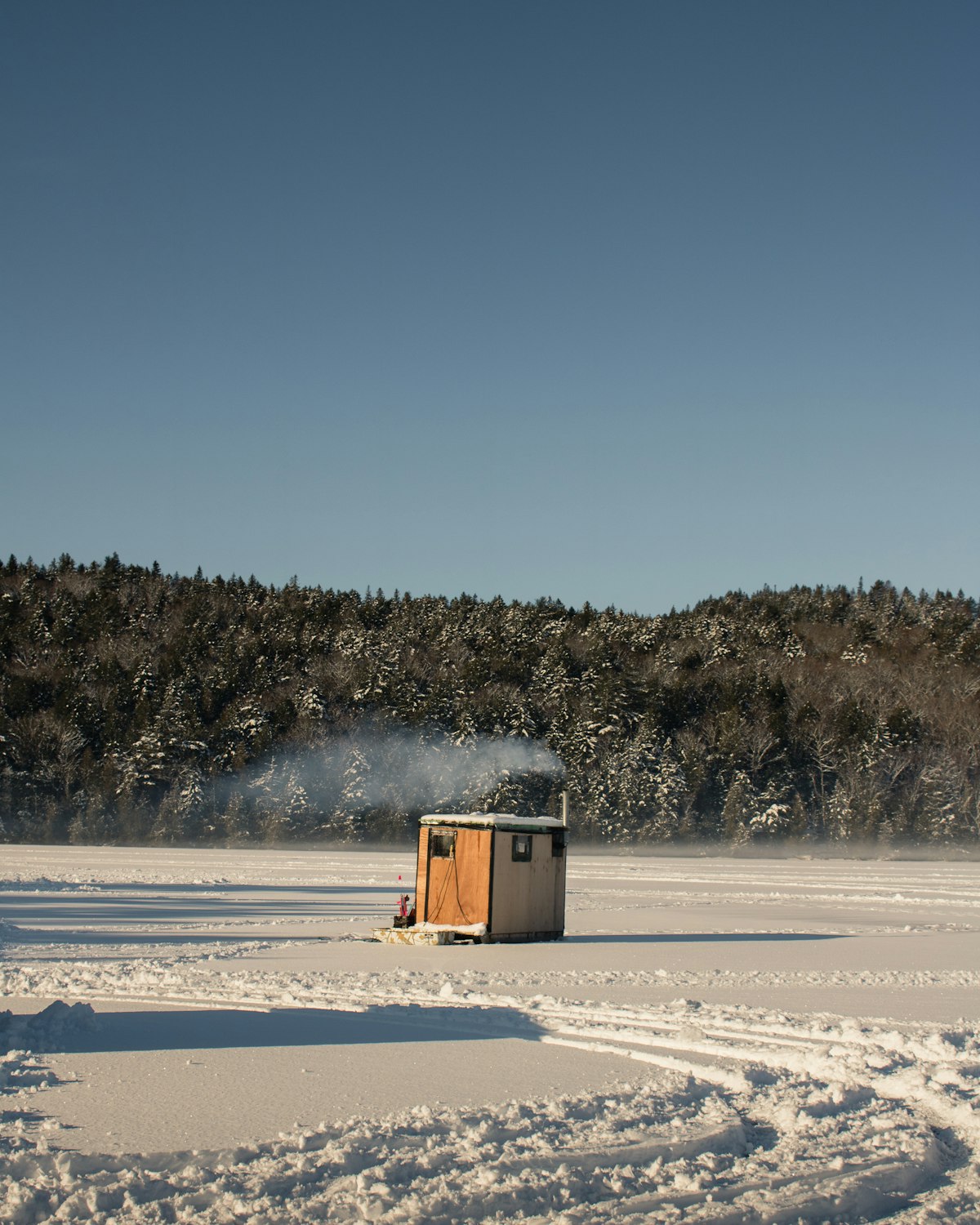
That’s what makes ice shanties endearing to us Massachusetts winter anglers — they’re not just fishing tools, they’re community centers on ice. Every year, temporary villages pop up on frozen lakes. Anglers set up next to friends, share coffee and stories, swap tips about what’s biting. Kids run between shanties. Somebody always brings a pot of chili. It’s more social gathering than sporting event some days, and honestly, that’s half the appeal.
The tradition passes between generations. I learned from my uncle, who learned from his father. I’ve started bringing my nephew, and watching him pull his first perch through the ice was one of those moments that sticks with you. This continuity matters — it teaches respect for nature, patience, and the value of spending time outdoors even when it’s uncomfortable.
Locations and Regulations
Several lakes and ponds in Massachusetts allow ice fishing with shanties. Popular spots include Lake Quinsigamond, Wachusett Reservoir, and — my personal favorite for the name alone — Lake Chaubunagungamaug (Webster Lake). Each location has specific regulations about shanty size, placement, and how long you can leave them.
Probably should have led with this section, honestly. The Massachusetts Department of Fish and Wildlife sets clear guidelines to protect both the environment and the safety of anglers. You’re required to register your shanty and remove it by the end of the season, typically around March 15. This prevents pollution and damage as ice weakens with warming temperatures. I’ve seen what happens when people abandon shanties — it’s not pretty, and it gives ice anglers a bad reputation we don’t deserve.
Safety Considerations
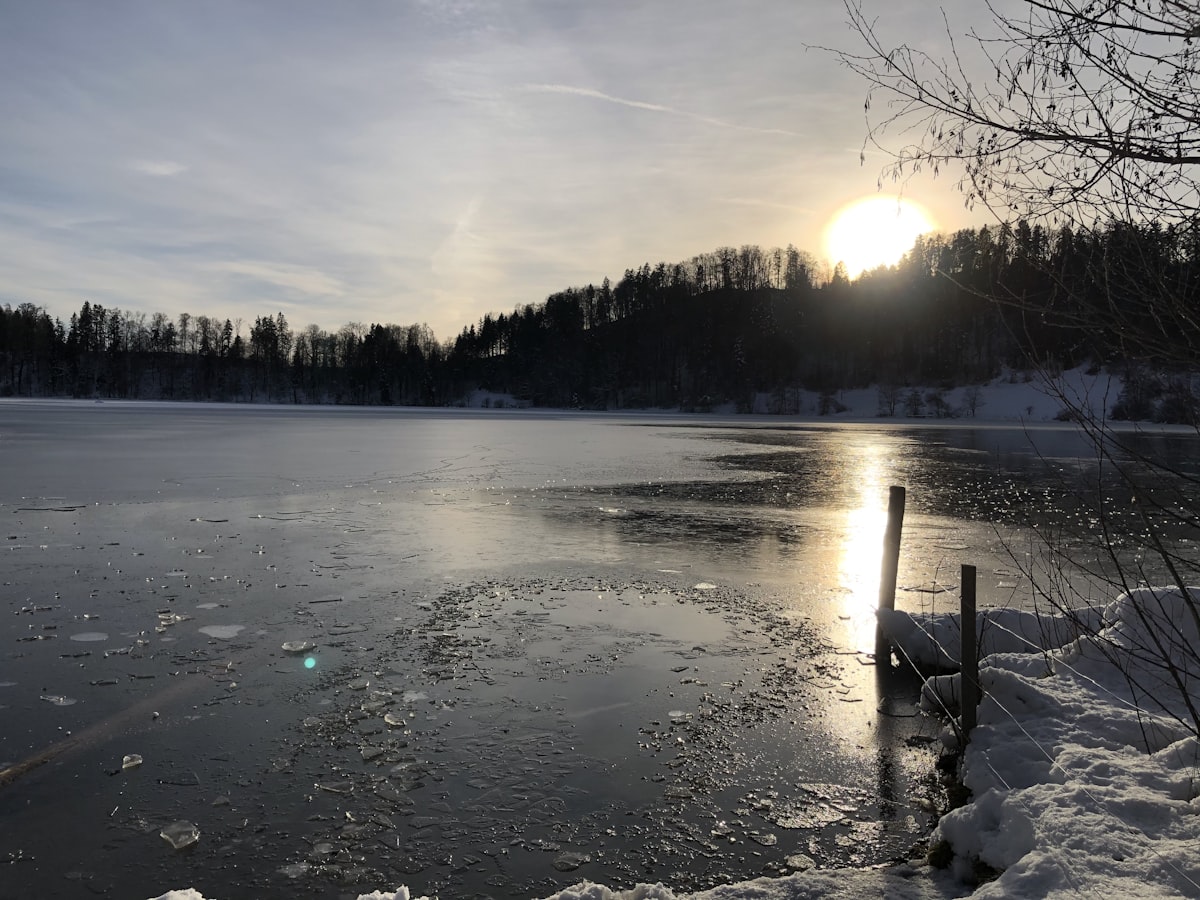
Ice safety is non-negotiable. I check ice thickness obsessively, and you should too. The minimum recommendation is 4 inches of clear, solid ice to support an angler on foot. For a shanty with gear and occupants, you want more. Conditions change throughout the season and across different parts of the same lake, so checking multiple spots is important.
Layer your clothing. Bring ice picks on a lanyard around your neck (they can save your life if you break through). Carry a flotation device. Always fish with at least one other person, or at minimum, tell someone where you’re going and when to expect you back. And here’s the one that gets overlooked: ventilate your shanty if you’re running a heater. Carbon monoxide buildup in an enclosed shanty has killed people. Crack a vent or window. Always.
Innovation and Technology
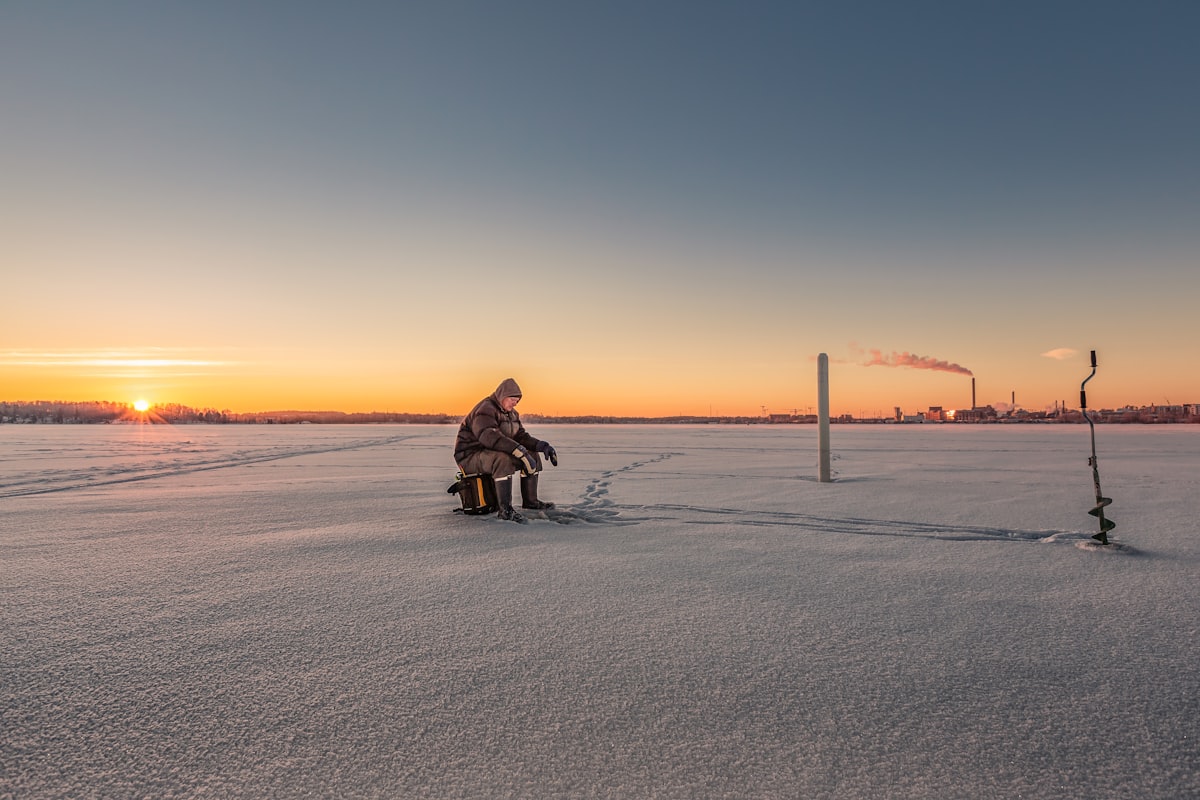
The ice fishing world has been transformed by technology in recent years. Portable shanties made from high-tech insulated fabrics set up in minutes and pack down small enough to fit in a car trunk. Some feature built-in LED lighting and even solar panel charging for electronics.
Fish finders, underwater cameras, and sonar units have become standard equipment for serious ice anglers. Seeing fish on your screen, watching them approach your bait in real-time on a camera — it’s addictive and incredibly effective. This tech has attracted a younger generation to ice fishing, which is great for the future of the sport in Massachusetts.
The Environmental Impact
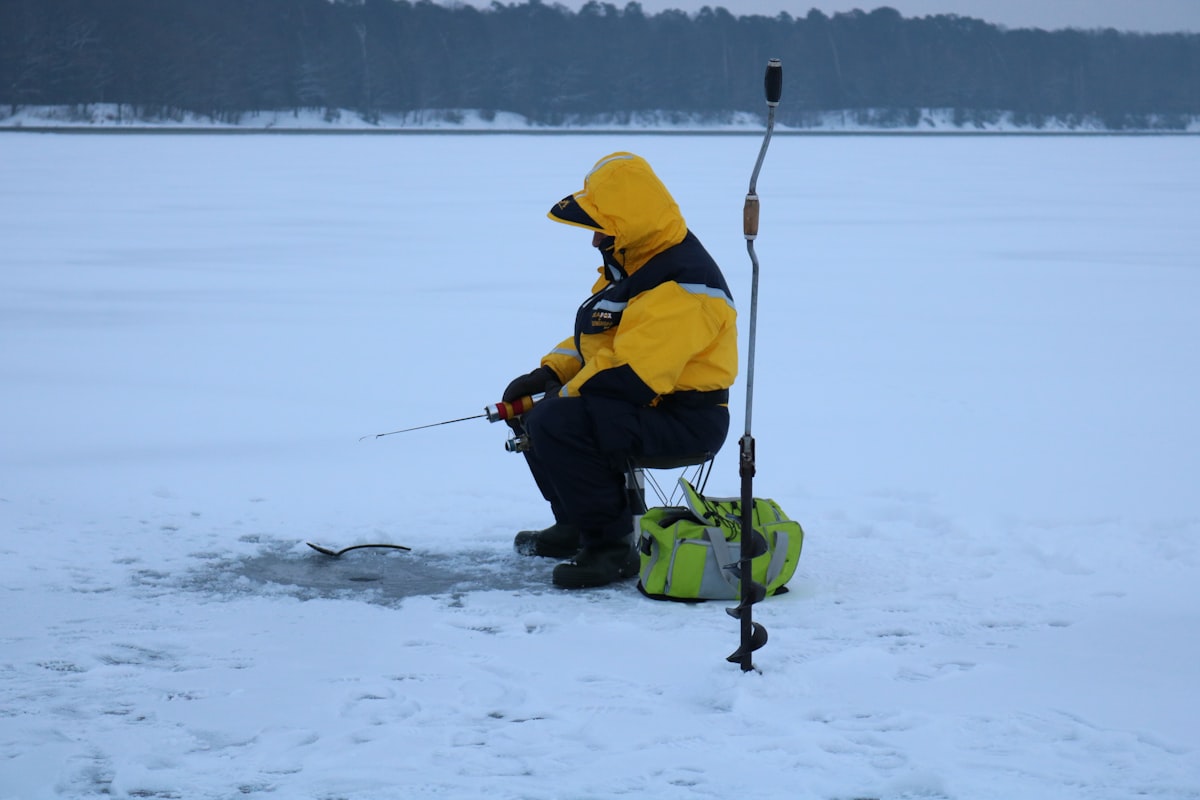
Ice shanties have an environmental footprint that responsible anglers need to manage. Waste, debris, and abandoned structures pollute the water and harm aquatic life when the ice melts. The solution is simple: clean up after yourself, remove your shanty on time, and leave the ice cleaner than you found it. I carry a garbage bag specifically for picking up trash that other people leave behind. It’s not fun, but it matters.
The Future of Ice Shanties in Massachusetts
The future looks solid. Interest in ice fishing is growing, driven partly by social media exposure and partly by the simple appeal of doing something unique during winter months that would otherwise be spent indoors. New materials and designs are making shanties more eco-friendly and efficient. Some manufacturers are exploring biodegradable components and renewable energy integration.
Ice fishing festivals and competitions attract tourists and boost local economies, drawing attention and support for preserving this winter tradition. As long as anglers respect the environment and follow regulations, ice shanties will remain a fixture of Massachusetts’ winter landscape for generations to come.
Getting Started
If you’re new to ice fishing in Massachusetts, here’s my advice: borrow or rent a shanty before buying one. Fish with someone experienced your first few times. Start on a well-known, well-trafficked lake where you can see other anglers and know the ice is solid. Bring more warm layers than you think you’ll need. And give it at least three trips before deciding whether it’s for you — the first time is always the most uncomfortable. By the third time, you’ll understand why so many of us look forward to winter.
Recommended Fishing Gear
Garmin GPSMAP 79s Marine GPS – $280.84
Rugged marine GPS handheld that floats in water.
Garmin inReach Mini 2 – $249.99
Compact satellite communicator for safety on the water.
As an Amazon Associate, we earn from qualifying purchases.



Stay in the loop
Get the latest freshwater fishing spots updates delivered to your inbox.