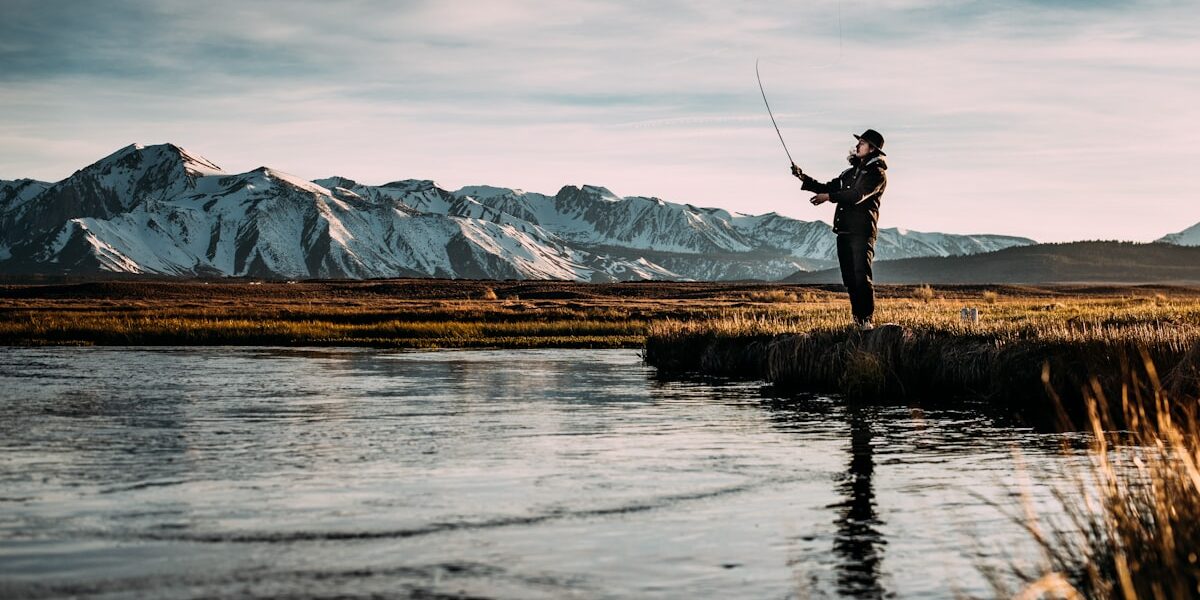
Whether you’re picking up a rod for the first time or looking to expand your skills, mastering a few fundamental techniques can transform your fishing trips. Here’s your guide to seven proven methods that work across freshwater environments.
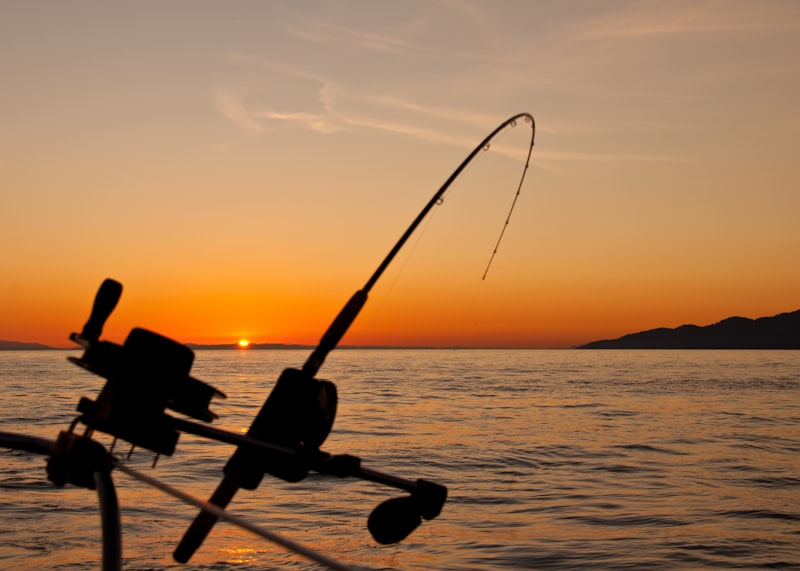
1. Bait Fishing (Still Fishing)
The most accessible technique for beginners. Simply attach live bait—worms, minnows, or crickets—to your hook, cast out, and wait.
Best for: Panfish, catfish, carp
Pro tip: Match your bait to what fish naturally eat in that water. Local bait shops know what’s working.
2. Lure Fishing
A more active approach using artificial lures that mimic prey through color, shape, and movement. You’ll cast repeatedly and retrieve at varying speeds to trigger strikes.
Best for: Bass, pike, walleye
Pro tip: Start with a medium-diving crankbait in natural colors—it’s versatile enough for most situations.
3. Fly Fishing
An elegant technique using lightweight artificial flies that imitate insects. The line’s weight carries the nearly weightless fly to the target. Requires practice but rewards patience.
Best for: Trout, salmon, panfish
Pro tip: Watch what insects are hatching and match your fly pattern accordingly.
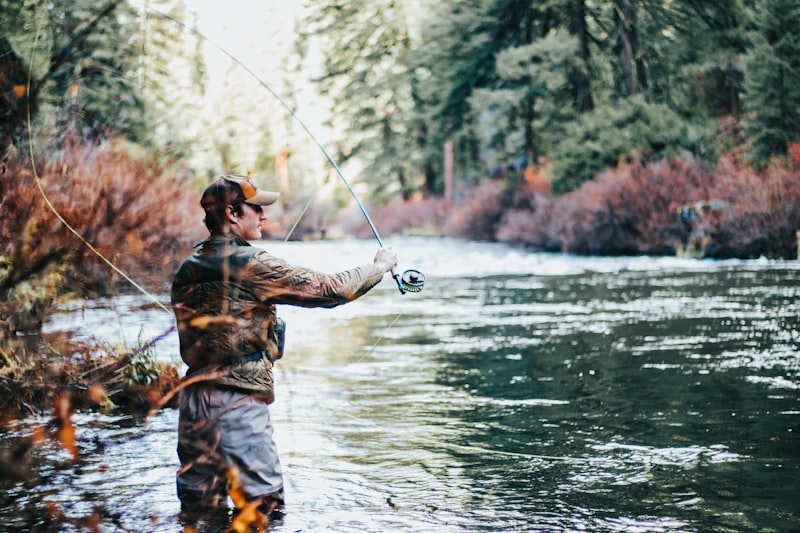
4. Trolling
Drag lures behind a slowly moving boat to cover large areas of water. Ideal for locating fish scattered across big lakes.
Best for: Lake trout, walleye, salmon
Pro tip: Vary your speed and lure depth until you find what’s working.
5. Drift Fishing
Let the current carry your bait naturally downstream. Works from shore or a drifting boat in rivers and streams.
Best for: Steelhead, trout, salmon
Pro tip: Use just enough weight to keep your bait near the bottom without snagging.
6. Ice Fishing
Cut a hole through frozen lakes and fish vertically using small jigs or live bait. Requires specialized gear and safety awareness.
Best for: Perch, walleye, northern pike
Pro tip: Use a flasher or fish finder to locate fish beneath the ice.
7. Jigging
Create enticing vertical movements with a weighted lure, mimicking injured baitfish. Highly effective in deeper water.
Best for: Bass, walleye, crappie
Pro tip: Experiment with jig colors—chartreuse and white work well in murky water.
Quick Reference Chart
| Technique | Skill Level | Best Environment |
|---|---|---|
| Bait Fishing | Beginner | Ponds, lakes, slow rivers |
| Lure Fishing | Beginner-Intermediate | Lakes, reservoirs |
| Fly Fishing | Intermediate-Advanced | Streams, rivers |
| Trolling | Intermediate | Large lakes |
| Drift Fishing | Intermediate | Rivers, streams |
| Ice Fishing | Intermediate | Frozen lakes |
| Jigging | Beginner-Intermediate | Deep water, structure |
Getting Started
Start with bait fishing or basic lure fishing to build confidence. As you learn to read the water and understand fish behavior, you can branch into more specialized techniques. The best anglers adapt their approach to conditions—so don’t be afraid to experiment.
Tight lines!


Stay in the loop
Get the latest freshwater fishing spots updates delivered to your inbox.